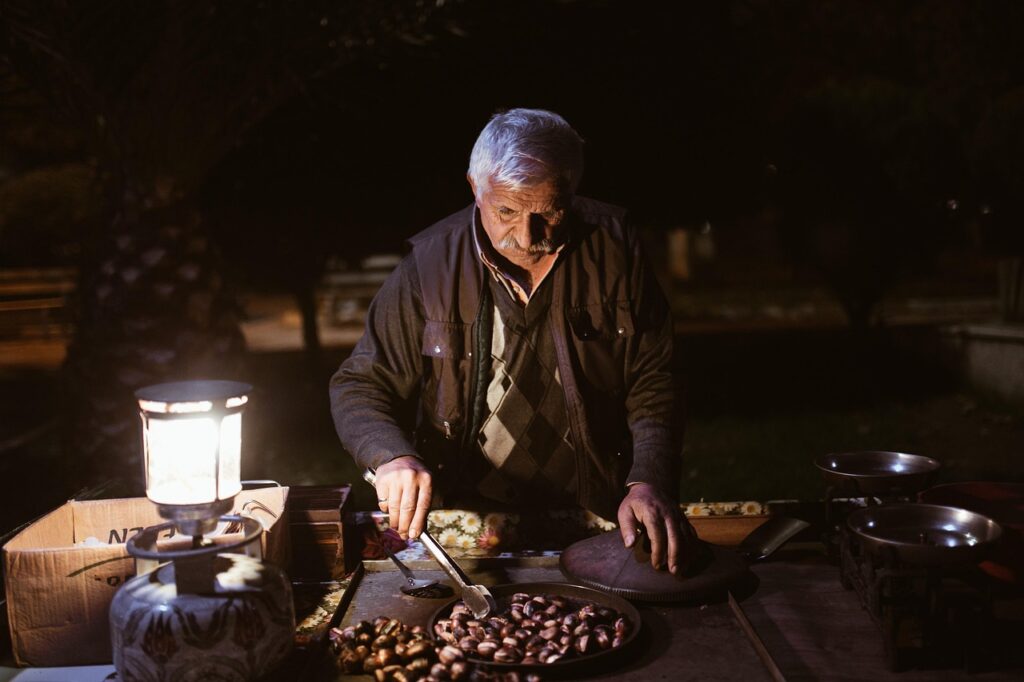

In the rapidly expanding corridors of North Bengaluru, specifically the Hennur and Kothanur neighborhoods, a culinary transformation is underway as traditional late-night street food carts, known as thattukadas, adapt to a shifting demographic and an evolving palate. Over the past twenty-four months, the region has transitioned from a quiet residential periphery into a bustling urban hub, driven by the influx of tech professionals and students who are demanding a more diverse array of dining experiences beyond the traditional dosa and biryani staples.
The Roots of the North Bengaluru Food Scene
For years, the Hennur-Kothanur stretch relied on small-scale, mobile thattukadas to serve the nocturnal needs of the local community. These carts, deeply rooted in the regional food culture, provided affordable, hot meals to night-shift workers and residents long after formal restaurants had closed their shutters.
The area’s transformation mirrors Bengaluru’s broader development pattern, where infrastructure improvements and proximity to the International Airport have catalyzed rapid real estate growth. As high-rise apartments replaced traditional homes, the consumer base shifted, bringing with them expectations for global cuisines and higher hygiene standards.
A Spectrum of New Flavors
Today, the street food landscape in North Bengaluru is a hybrid environment. While the traditional thattukadas remain, they are now frequently flanked by gourmet food trucks, artisanal cafes, and specialized stalls offering everything from momos and shawarmas to fusion pasta and cold-pressed juices.
Local vendors have noticed that volume and speed are no longer the only metrics for success. Market data suggests that foot traffic in these micro-hubs peaks between 9:00 PM and 1:00 AM, driven by a demographic that is increasingly health-conscious and experimental with global flavors.
Expert Perspectives on Urban Gastronomy
Urban planners note that the integration of diverse food options is a natural outcome of gentrification in tech-heavy corridors. “The street food scene acts as an economic barometer for the neighborhood,” says urban analyst Dr. Rohan Mehta. “When you see a transition from purely utilitarian, low-cost food to a wider variety of dining options, it signals a rise in the disposable income and social activity of the local population.”
Data from local food delivery platforms indicates a 35% increase in orders for non-traditional street food in North Bengaluru over the last year. This trend suggests that while the culture of eating out remains strong, the definition of ‘street food’ is expanding to include more premium, niche offerings.
Looking Toward the Future
The implications for local entrepreneurs are significant, as competition intensifies and the barrier to entry rises with the demand for better infrastructure. Future developments in Hennur and Kothanur are expected to see more semi-permanent food parks that provide standardized hygiene and seating, potentially phasing out the more informal, unorganized cart setups.
As the city continues to expand, stakeholders should watch for the emergence of ‘food corridors’ that formalize these nocturnal dining habits. The long-term success of these vendors will likely depend on their ability to marry traditional flavors with the modern demand for variety and convenience.