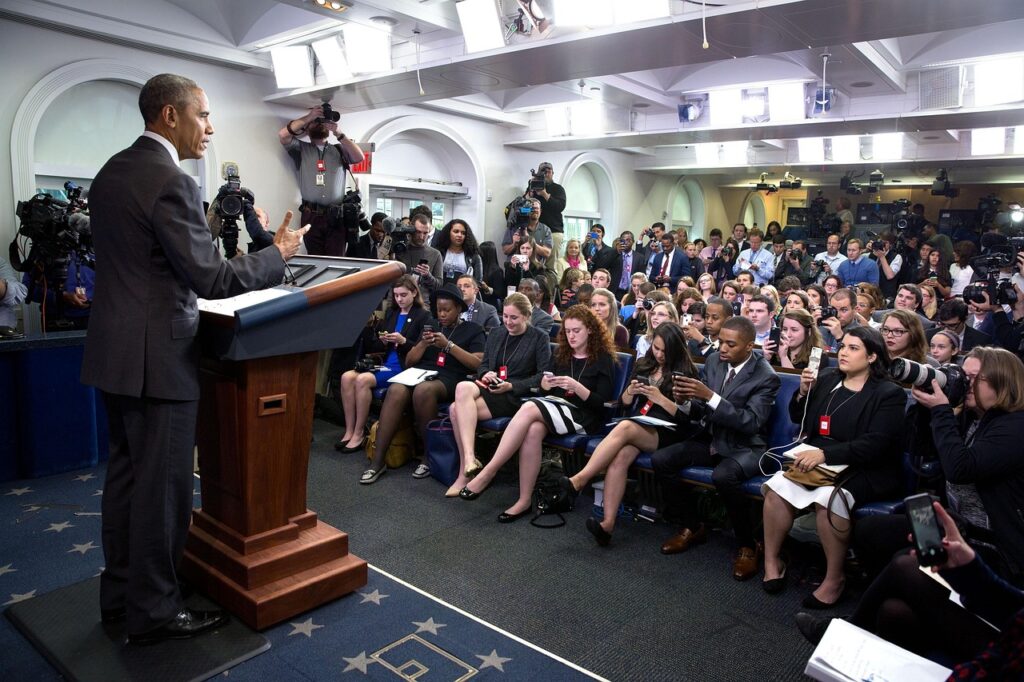

The Bharatiya Janata Party launched a sharp political offensive against the opposition Congress party in New Delhi this week, focusing criticism on recent remarks regarding Kashmir and ongoing demonstrations at Jantar Mantar. Senior party figures led the verbal assault during a press briefing, highlighting deep ideological divisions on national security and governance.
According to official reports, the ruling party’s renewed campaign aims to shift public focus toward past administrative failures and contentious policy stances held by rival factions. The latest confrontation underscores the intensifying political friction between the ruling coalition and opposition groups as national political debates gather momentum.
The controversy centers on recent statements made by opposition leaders concerning the special status and security framework of Jammu and Kashmir. Government representatives argue that these remarks undermine national sovereignty and pander to divisive sentiments, while concurrent protests at Jantar Mantar have amplified public discourse on regional autonomy and civil liberties.
Background data indicates that debates over Kashmir policy have remained a central fixture of Indian politics, particularly following legislative changes introduced in recent years. Official sources note that historical governance under previous administrations continues to serve as a primary flashpoint in parliamentary and public debates.
During the briefing, senior BJP leader Mr. Rao alleged that decision-making authority during the UPA-I and UPA-II tenures effectively rested with Congress leader Sonia Gandhi rather than the elected cabinet. Furthermore, the critique brought up persistent historical allegations of corruption that plagued the decade-long United Progressive Alliance governance.
These allegations are designed to remind voters of past administrative challenges while defending current legislative measures in the northern union territory. Political analysts suggest that invoking historical governance issues is a calculated strategy to consolidate the ruling party’s base ahead of upcoming electoral contests.
The ongoing war of words has immediate implications for the legislative agenda, potentially hardening positions across the political aisle. Industry observers note that prolonged political polarization can influence economic sentiment and delay consensus on crucial policy reforms.
Financial markets and corporate stakeholders generally monitor such heightened political rhetoric for signs of policy paralysis or legislative gridlock. However, economic indicators currently show steady resilience despite the heated political environment in the capital.
Observers will closely monitor the parliamentary response from opposition leaders in the coming days as they prepare counter-arguments to address these allegations. Additionally, the trajectory of demonstrations at Jantar Mantar will remain a key indicator of grassroots political mobilization.
Future developments will likely hinge on how both sides manage the narrative surrounding national security and historical accountability. Public reactions to these competing political campaigns will ultimately shape the broader electoral landscape.
Disclaimer: This article is published for general news and informational purposes only. While every effort has been made to ensure accuracy, readers are advised to verify important information from official sources. The publisher shall not be responsible for any loss or inconvenience arising from reliance on the information published.