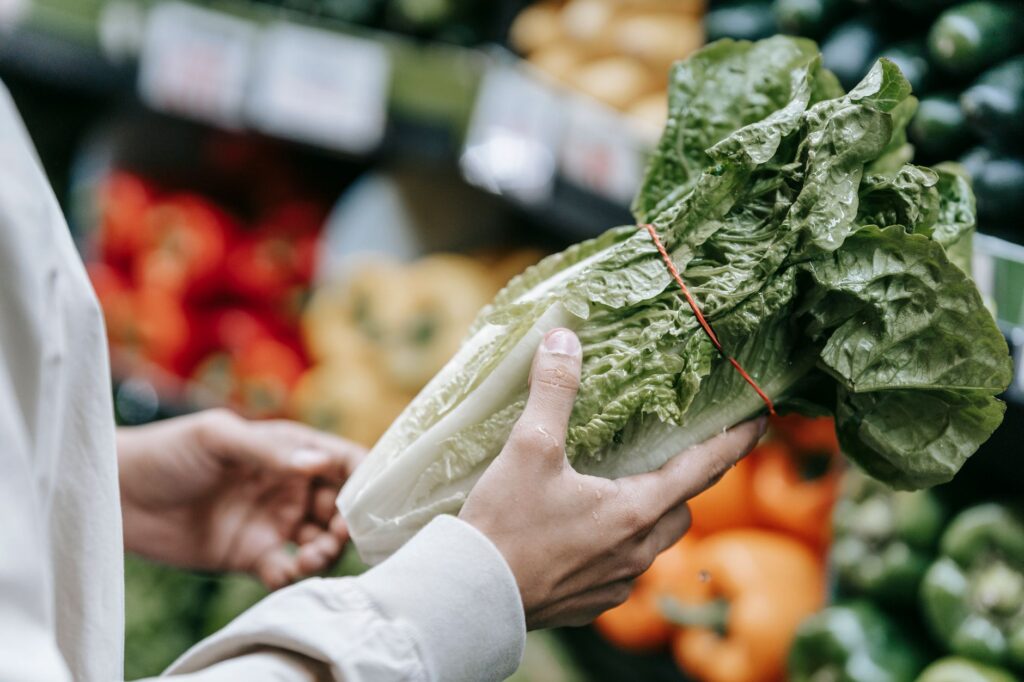

Federal health officials announced this week that a multi-state outbreak of Cyclospora infections linked to contaminated lettuce has now expanded to 15 states. According to the Centers for Disease Control and Prevention (CDC), the ongoing food safety investigation seeks to identify the exact distribution channels and supply chain origins of the tainted produce. Public health authorities are working alongside state agricultural departments to trace the source and prevent further illnesses.
Cyclospora is a microscopic parasite that causes an intestinal illness known as cyclosporiasis, typically contracted by consuming food or water contaminated with fecal matter. Official data shows that while overall cases have appeared in at least 47 states this year, investigators are specifically focusing on clusters connected to fresh produce items. The parasite does not spread directly from person to person, making contaminated food supply lines the primary vector for transmission.
Recent updates from public health agencies highlight a steady increase in reported laboratory-confirmed cases over the past several weeks. Investigators continue to conduct traceback analyses, interviewing affected individuals about their dietary habits and retail purchases prior to becoming ill. Epidemiologists utilize these detailed food histories to pinpoint specific farms, distributors, or processing facilities responsible for the contamination.
The current outbreak poses significant challenges for the agricultural sector and retail food distributors, raising fresh concerns regarding supply chain safety standards. Industry representatives note that heightened scrutiny and potential product recalls could temporarily impact consumer confidence and market demand for leafy greens. Economic analysts suggest that producers may need to adopt even more stringent sanitation protocols to mitigate biological risks.
Consumers are advised to follow safe handling guidelines for fresh produce, including thoroughly washing lettuce and keeping perishable items properly refrigerated. Public health officials emphasize that standard rinsing may not entirely eliminate the parasite, underscoring the importance of sourcing produce from verified distributors. Health authorities will continue to release updated case counts and advisory notices as the investigation progresses.
Disclaimer: This article is published for general news and informational purposes only. While every effort has been made to ensure accuracy, readers are advised to verify important information from official sources. The publisher shall not be responsible for any loss or inconvenience arising from reliance on the information published.