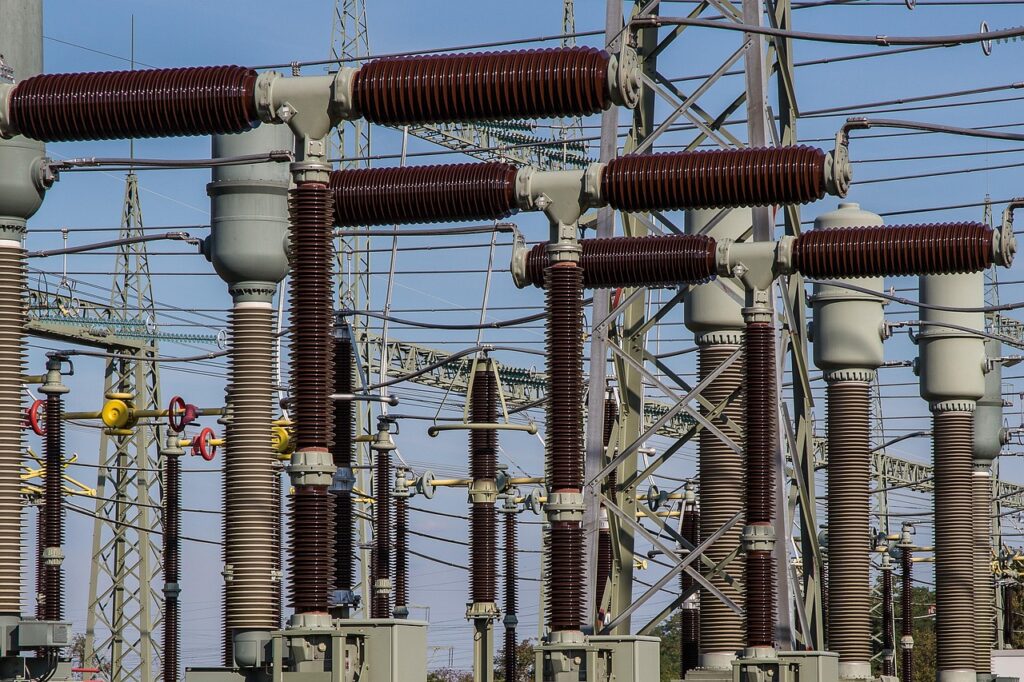

A major energy provider filed a federal lawsuit this week against a large data center operator, disputing financial responsibility for massive grid expansions required to power artificial intelligence operations. The legal action, initiated in a U.S. district court on Tuesday, centers on which party should shoulder the multimillion-dollar cost of upgrading local power lines and substations. This unprecedented dispute highlights mounting tensions between utility providers and the booming tech sector as artificial intelligence data centers demand unprecedented amounts of electricity.
The Rising Power Demands of Modern Technology
Modern artificial intelligence workloads require immense computational power, transforming data centers into energy hogs that rival the consumption of midsize cities. According to reports, traditional power grids were never designed to handle the localized, continuous electrical loads demanded by modern server farms. Utility companies argue that servicing these mega-facilities strains regional power grids and risks compromising reliability for everyday residential and commercial customers.
Historically, industrial customers pay for infrastructure upgrades through standard utility rates or specific connection fees negotiated prior to construction. However, the exponential growth of generative artificial intelligence has accelerated expansion timelines far beyond normal utility planning cycles. Energy firms state that existing regulatory frameworks fail to address the unique financial burdens imposed by sudden, massive spikes in industrial power demand.
Latest Developments in the Legal Dispute
According to official court filings, the utility company contends that the data center operator refuses to pay its fair share of the newly required transmission lines. Official data shows that the proposed grid enhancements will cost hundreds of millions of dollars over the next five years. The plaintiff is asking the court to issue a declaratory judgment enforcing cost-allocation rules that hold the tech company primarily liable for the specialized infrastructure.
Legal experts note that this lawsuit could establish a vital legal precedent for future utility disputes across the United States. Representatives for the data center operator have declined immediate comment, though industry analysts expect a vigorous defense centered on existing power supply contracts. State utility regulators are currently monitoring the litigation closely as they grapple with similar requests for grid expansion nationwide.
Economic and Industrial Implications
The outcome of this legal battle carries significant financial consequences for both the energy sector and the broader technology industry. If utility companies successfully shift infrastructure costs onto tech firms, the financial barrier to entry for developing large-scale artificial intelligence models will increase significantly. Conversely, if energy providers must absorb the expenses, everyday ratepayers could ultimately foot the bill through higher monthly electricity statements.
Industry economists warn that unresolved grid capacity issues could slow the deployment of advanced artificial intelligence infrastructure in certain regions. Power generators must balance the lucrative revenue streams offered by tech giants against the physical limitations of aging electrical grids. Consequently, utility executives are increasingly demanding long-term financial guarantees before committing to major capital improvement projects.
What to Watch Next
Observers will be closely watching the federal court for preliminary injunctions and motions to dismiss in the coming weeks. State public utility commissions are also expected to issue updated guidelines regarding data center connections and mandatory grid contributions. Future rulings in this case will likely shape how energy companies and technology corporations negotiate power delivery agreements for years to come.
Disclaimer: This article is published for general news and informational purposes only. While every effort has been made to ensure accuracy, readers are advised to verify important information from official sources. The publisher shall not be responsible for any loss or inconvenience arising from reliance on the information published.