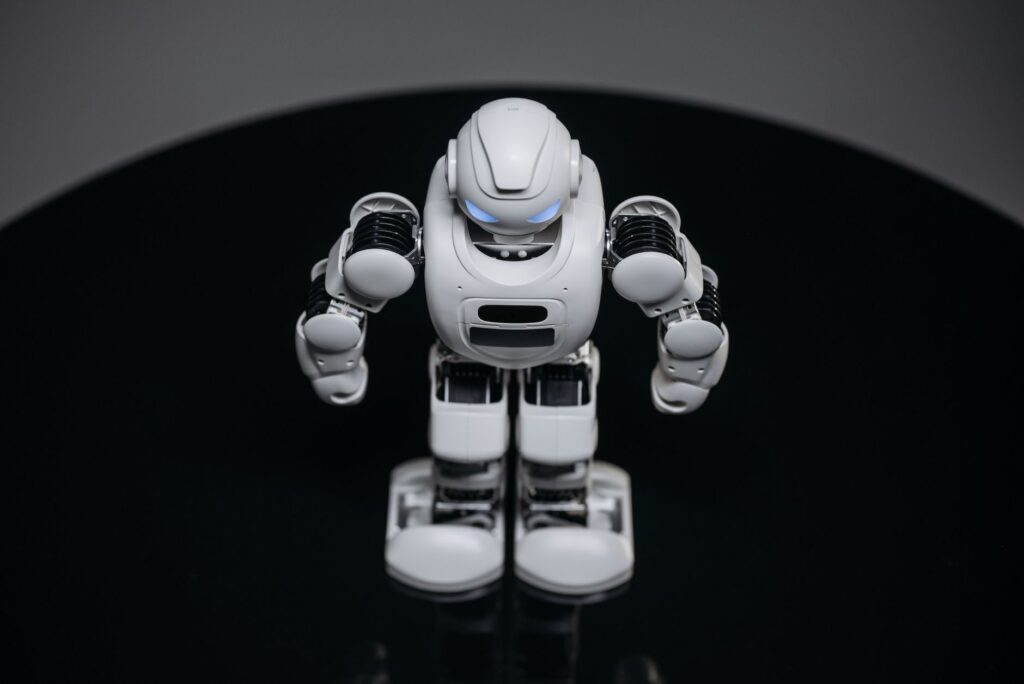

Emerging technology startups have officially begun deploying experimental humanoid robots into residential settings this year, aiming to evaluate their capability to perform basic domestic chores. Despite these initial trials in controlled environments, robotics engineers and industry analysts emphasize that widespread consumer adoption remains many years away. The ambitious initiative seeks to test whether bipedal machines can effectively navigate cluttered living spaces and assist with daily household routines.
Background and Context
For decades, humanoid robots remained largely confined to science fiction narratives and heavily secured industrial manufacturing floors. Recent breakthroughs in artificial intelligence, computer vision, and actuator design have suddenly made bipedal mobility commercially viable for smaller firms. According to official reports, venture capital investments in general-purpose robotics have surged significantly over the past twenty-four months.
Early prototypes were specifically engineered for predictable warehouse environments rather than unpredictable family homes. Transitioning these systems into residential spaces introduces complex logistical challenges, including uneven flooring, stairs, and unpredictable human behavior. Industry researchers note that machines must achieve unprecedented levels of dexterity and safety before interacting safely with children and pets.
Latest Developments and Key Facts
Current field tests involve a select group of beta testers who are housing early-generation humanoid prototypes in suburban environments. According to official data, these machines currently require extensive remote human supervision to complete basic tasks like folding laundry or retrieving objects. Engineers continuously gather performance telemetry to refine the neural networks that govern robot movement and spatial awareness.
Despite impressive demonstrations released by manufacturers, independent evaluators caution that laboratory success does not guarantee real-world reliability. Battery life limitations and exorbitant manufacturing costs continue to present major roadblocks for commercial viability. Most current units can operate for only a few hours before requiring a lengthy recharge cycle.
Impact on Readers, Industry, and Economy
For everyday consumers, these early trials signal a gradual shift in how domestic labor might evolve over the coming decades. However, economists stress that average households will not see affordable robotic assistants on store shelves in the immediate future. The initial price points for general-purpose humanoid hardware remain prohibitive for the mass market.
Meanwhile, the broader robotics sector is experiencing rapid corporate restructuring as firms compete to establish technical standards. Investors are closely monitoring whether consumer-focused robotics can eventually match the proven economic returns of industrial automation. Component suppliers and software developers stand to benefit the most from this ongoing phase of research and development.
What to Watch Next
Observers should monitor upcoming hardware revisions and safety certifications from leading robotics laboratories over the next year. Key performance indicators will include improvements in autonomous navigation, battery endurance, and reductions in production costs. Regulatory frameworks governing autonomous devices in residential neighborhoods will also require close attention as the technology matures.
Disclaimer: This article is published for general news and informational purposes only. While every effort has been made to ensure accuracy, readers are advised to verify important information from official sources. The publisher shall not be responsible for any loss or inconvenience arising from reliance on the information published.