
Municipal authorities in the New Jersey coastal borough of Bay Head have raised serious safety concerns regarding a viral social media trend involving local marine wildlife. Mayor Bill Curtis warned residents and visitors this week that deliberately attracting sharks close to the shoreline for photographs and videos creates an unacceptable hazard for beachgoers.
According to local officials, individuals have been attempting to draw apex predators into shallow waters using various forms of bait. This dangerous practice aims to capture striking visual content for popular online platforms, but municipal leaders argue it fundamentally disrupts natural marine behavior.
Background and Context
Coastal communities along the Atlantic seaboard frequently experience seasonal increases in marine life activity near popular bathing beaches. Historically, sharks tend to migrate closer to the shorelines during warmer months to feed on schooling fish and other natural prey.
While wildlife encounters are generally rare, marine biologists emphasize that human intervention can alter these natural patterns. Artificially introducing food sources into surf zones conditions predators to associate humans and shallow shorelines with easy meals.
Latest Developments and Key Facts
Recent observations by local authorities indicate a noticeable uptick in individuals operating drones and watercraft to spot and approach sharks near swimming areas. According to reports, some onlookers have ventured dangerously close to hooked or cornered marine animals simply to secure compelling smartphone footage.
Mayor Curtis publicly addressed these risky behaviors, stating that interfering with wildlife puts the safety of the entire community at risk. Official data shows that proactive municipal monitoring has increased, though law enforcement faces challenges deterring individuals motivated by digital clout.
Impact on Readers and the Coastal Industry
The emerging trend poses immediate risks to swimmers, surfers, and families utilizing public beaches during the peak summer season. Lifeguard services and local businesses fear that sensationalized incidents could prompt unwarranted panic or cause a decline in tourism revenue.
Industry experts urge the public to prioritize ocean safety over online engagement. Wildlife conservation groups remind citizens that interacting with large marine species violates best practices for environmental stewardship and personal protection.
What to Watch Next
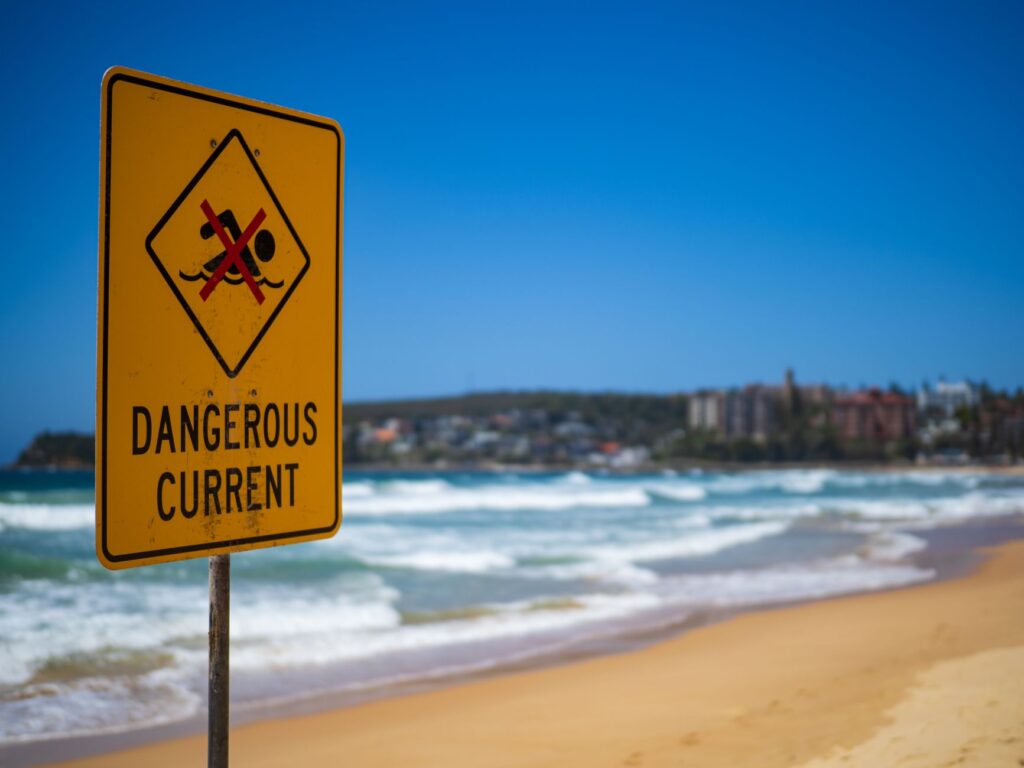
Local authorities plan to increase signage along public access points to educate visitors about the dangers of feeding or attracting marine life. Municipal councils are also reviewing existing ordinances to determine if stricter penalties are necessary to deter reckless behavior.
Observers will monitor whether state wildlife agencies implement broader protective measures or issue formal advisories ahead of the upcoming vacation season. Community leaders remain hopeful that heightened awareness will curb the dangerous online trend.
Disclaimer: This article is published for general news and informational purposes only. While every effort has been made to ensure accuracy, readers are advised to verify important information from official sources. The publisher shall not be responsible for any loss or inconvenience arising from reliance on the information published.