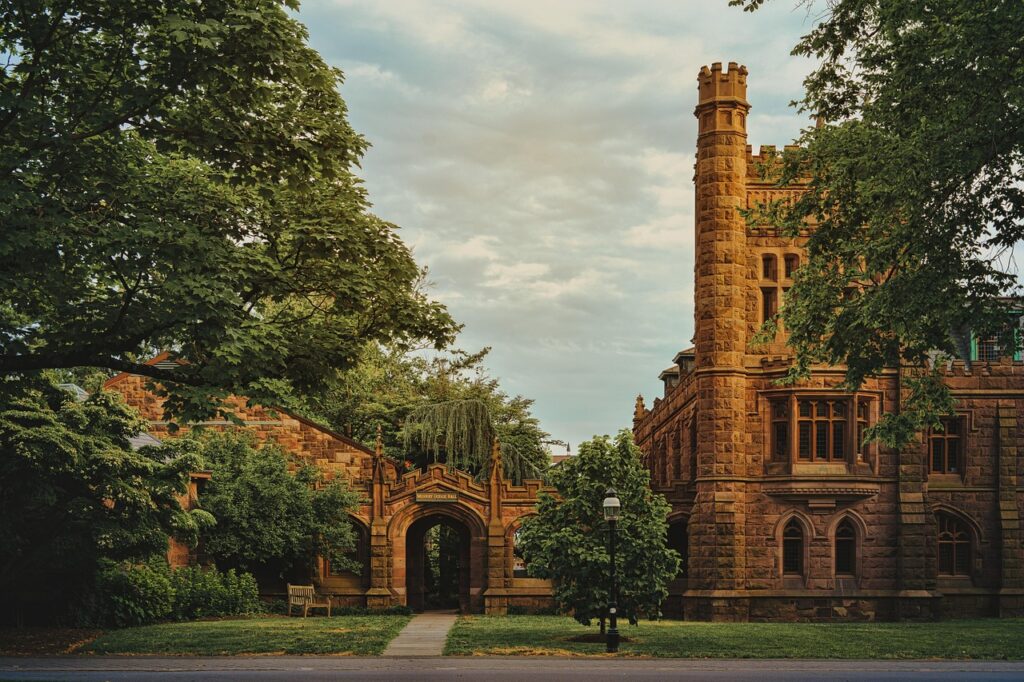

Kodaikanal International School (KIS), located in the scenic Palani Hills of Tamil Nadu, India, is marking its 125th anniversary of academic distinction and holistic student development.
Founded in 1901, the institution has grown from its historic origins into a globally recognized center for learning. Official records confirm that KIS holds the distinction of being the very first school in India to introduce the International Baccalaureate (IB) Diploma Programme.
Over the past century and a quarter, the institution has educated multiple generations of students from diverse backgrounds. According to reports, the school’s educational philosophy deeply integrates the unique geography and rich ecosystem of the surrounding hill station.
A major milestone in the modern evolution of the school is its expansive 135-acre Poondi wilderness campus. Official data shows that this secondary site allows the institution to broaden its academic scope significantly beyond traditional classroom boundaries.
Today, the wilderness campus serves as a living laboratory for biodiversity preservation and ecological research. Students regularly participate in structured outdoor education initiatives designed to foster environmental stewardship and leadership.
Furthermore, community engagement remains a cornerstone of the curriculum at KIS. Learners are encouraged to participate in local outreach programs, bridging academic theory with practical social responsibility.
The longevity and continuous adaptation of KIS highlight shifting trends in international education toward experiential and outdoor learning. Industry observers note that institutions combining rigorous curricula with environmental immersion are increasingly setting new pedagogical benchmarks.
For the broader educational sector, the milestone demonstrates the viability of long-term sustainable campus management. Schools aiming to integrate ecological conservation into daily studies often look to established models like the Poondi campus for guidance.
Observers and educational stakeholders will closely monitor how KIS continues to balance its rich historical heritage with modern technological and environmental demands. Future developments are expected to focus on expanding its research capabilities and deepening its conservation outreach.
Disclaimer: This article is published for general news and informational purposes only. While every effort has been made to ensure accuracy, readers are advised to verify important information from official sources. The publisher shall not be responsible for any loss or inconvenience arising from reliance on the information published.