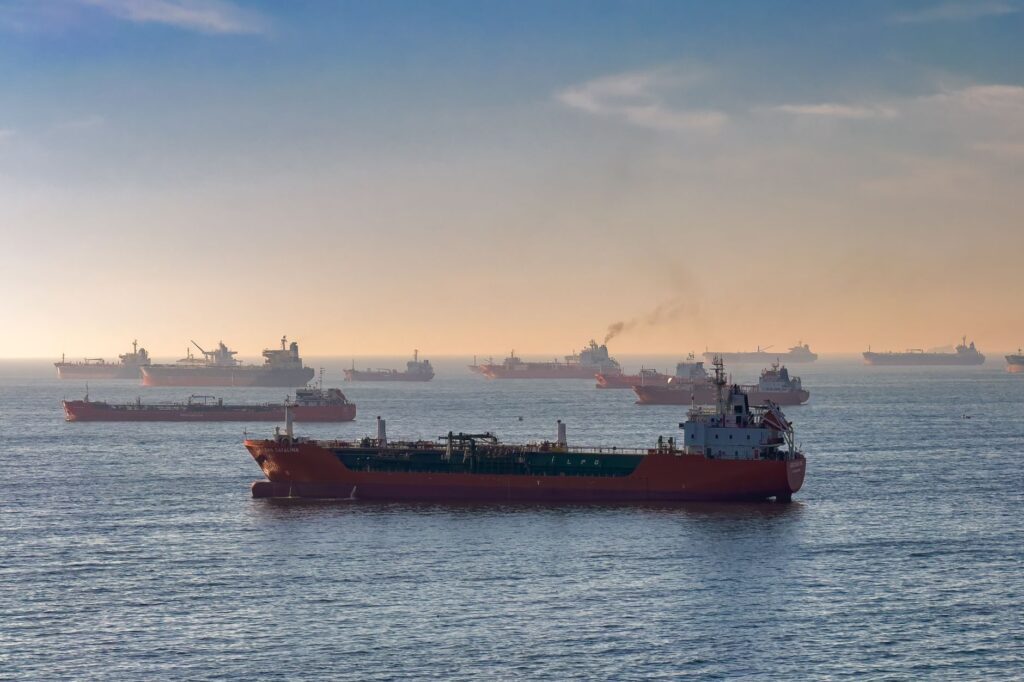

Iranian authorities declared on Tuesday that the strategically vital Strait of Hormuz remains entirely under the administration and oversight of Tehran. This announcement followed recent statements by United States President Donald Trump suggesting potential American intervention to secure the crucial waterway. The exchange highlights ongoing maritime tensions in one of the world’s most critical oil transit corridors.
The Strait of Hormuz serves as a vital artery for global energy markets, connecting the Persian Gulf with the Gulf of Oman and the Arabian Sea. Approximately one-fifth of the world’s petroleum consumption passes through this narrow maritime passage daily, making it a focal point for international trade. Consequently, any rhetoric concerning the security or governance of the region immediately reverberates through global financial and energy sectors.
Official statements from Tehran emphasize that regional security should be managed exclusively by littoral states rather than external powers. Iranian military leadership reiterated readiness to monitor and regulate all vessel traffic entering the gulf waters. These declarations reinforce long-standing policies regarding maritime sovereignty in the Middle East.
In contrast, Washington has frequently expressed concern over the safety of international shipping lanes amid periodic escalations. President Trump’s recent comments regarding potential U.S. oversight aimed to reassure allies dependent on stable crude oil supplies. However, such proposals consistently draw sharp pushback from Iranian officials who view foreign presence as provocative.
The latest diplomatic friction directly impacts shipping firms, energy traders, and global economies reliant on uninterrupted petroleum flows. Increased posturing elevates maritime insurance rates and introduces volatility into crude pricing markets. Industry analysts continue to monitor naval movements closely to gauge potential operational disruptions.
Observers will watch for any subsequent diplomatic exchanges or military posturing by both nations in the coming weeks. Maintaining open communication channels remains critical to preventing miscalculations in the high-traffic waterway. International organizations continue to urge restraint from all parties involved to safeguard global commerce.
Disclaimer: This article is published for general news and informational purposes only. While every effort has been made to ensure accuracy, readers are advised to verify important information from official sources. The publisher shall not be responsible for any loss or inconvenience arising from reliance on the information published.