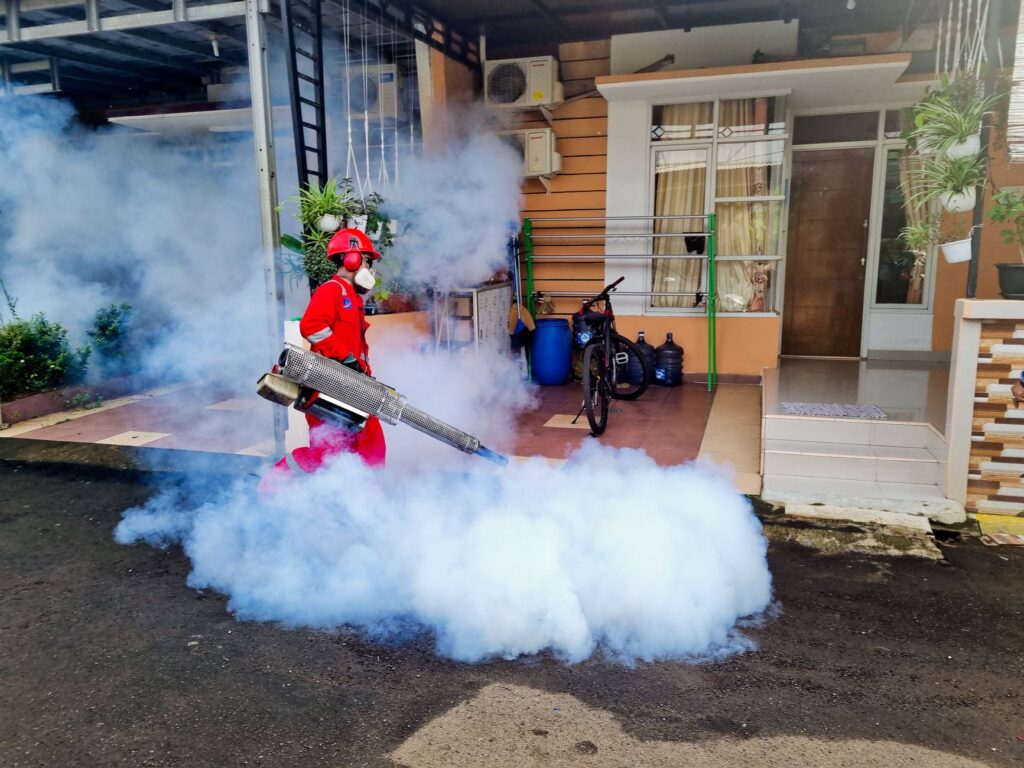

Municipal authorities in Belém, located in northern Brazil, launched an intensive public health campaign two years ago to combat a severe dengue outbreak that overwhelmed local hospitals. The city mobilized thousands of community health workers to target mosquito breeding sites, educate residents, and distribute preventative resources across densely populated neighborhoods. This aggressive response successfully curbed infection rates, providing a potential blueprint for other urban areas facing similar vector-borne disease challenges.
Dengue fever is a viral infection transmitted primarily by the Aedes aegypti mosquito, which thrives in tropical and subtropical urban environments. Climate shifts, urbanization, and inadequate water storage practices often exacerbate the spread of these insects, creating persistent public health hazards. According to official reports, urban centers globally struggle to control mosquito populations once an epidemic gains momentum.
Official data shows that Belém’s recent intervention relied heavily on door-to-door inspections and community engagement rather than reliance solely on chemical spraying. Health teams identified stagnant water in discarded containers, gutters, and domestic storage units, educating homeowners on proper elimination techniques. Furthermore, local authorities integrated digital tracking systems to monitor high-risk zones in real time, allowing sanitation crews to deploy resources efficiently.
Public health experts suggest that the strategies employed in Belém offer valuable lessons for international cities, including municipalities in the United States currently facing warmer summers and expanding mosquito habitats. By prioritizing grassroots education and systematic property inspections, local governments can mitigate the risk of widespread outbreaks before they escalate. Economic analyses indicate that proactive vector control significantly reduces long-term healthcare costs and prevents productivity losses associated with widespread illness.
Observers will closely monitor Belém as authorities work to sustain these low infection rates through the upcoming rainy season. Public health agencies plan to evaluate the long-term viability of community-led monitoring programs to determine if the model can be permanently institutionalized. Neighboring municipalities are already sending delegations to observe the tactical deployment of sanitation workers and data management tools.
Disclaimer: This article is published for general news and informational purposes only. While every effort has been made to ensure accuracy, readers are advised to verify important information from official sources. The publisher shall not be responsible for any loss or inconvenience arising from reliance on the information published.