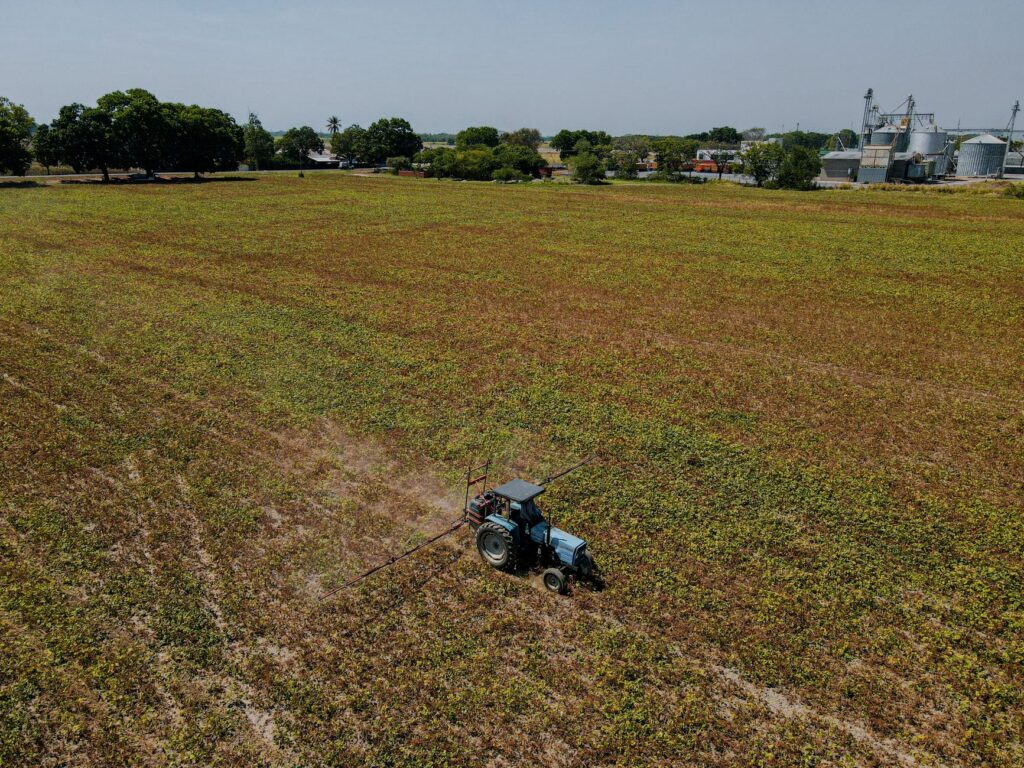

California agricultural regulators announced a decisive policy shift last week, initiating a comprehensive phase-out of paraquat, a widely utilized agricultural chemical linked by researchers to Parkinson’s disease. The decision marks a significant regulatory milestone in the United States, balancing mounting public health concerns against the operational needs of modern farming. State officials implemented the ban to protect rural communities and agricultural workers from long-term neurological risks associated with continuous exposure.
Paraquat has served as a cornerstone weed killer for American agriculture for decades, prized for its speed and effectiveness in managing resilient invasive plants. According to reports, the chemical allows growers to implement no-till farming practices, which prevent soil erosion and preserve vital moisture levels. Despite its agricultural utility, public health advocates have pressed for restrictions for years, citing mounting scientific evidence connecting the herbicide to severe health impairments.
The latest regulatory timeline establishes a gradual reduction in the sale and application of the pesticide across California farms, giving agricultural enterprises a limited window to adjust. Official data shows that thousands of domestic farms rely on the substance to manage yields across various crops, including almonds, cotton, and grapes. Industry representatives note that finding a viable replacement remains a formidable challenge, as alternative herbicides often lack the same broad-spectrum efficacy.
The economic ramifications of this phase-out extend far beyond state lines, potentially influencing national agricultural supply chains and production costs. Agricultural economists indicate that prohibiting the chemical could increase operational expenses for growers who must adopt costlier weed management strategies. Consequently, consumers might experience higher produce prices as local farmers absorb the financial burden of transitioning to alternative practices.
Industry observers and regulatory watchdogs will closely monitor how local growers adapt to the new restrictions over the coming growing seasons. Key developments to watch include the potential emergence of novel, non-toxic weed control technologies and whether other states will adopt similar legislative measures. Furthermore, legal challenges from agricultural coalitions could emerge as stakeholders navigate the complex transition away from the controversial chemical.
Disclaimer: This article is published for general news and informational purposes only. While every effort has been made to ensure accuracy, readers are advised to verify important information from official sources. The publisher shall not be responsible for any loss or inconvenience arising from reliance on the information published.