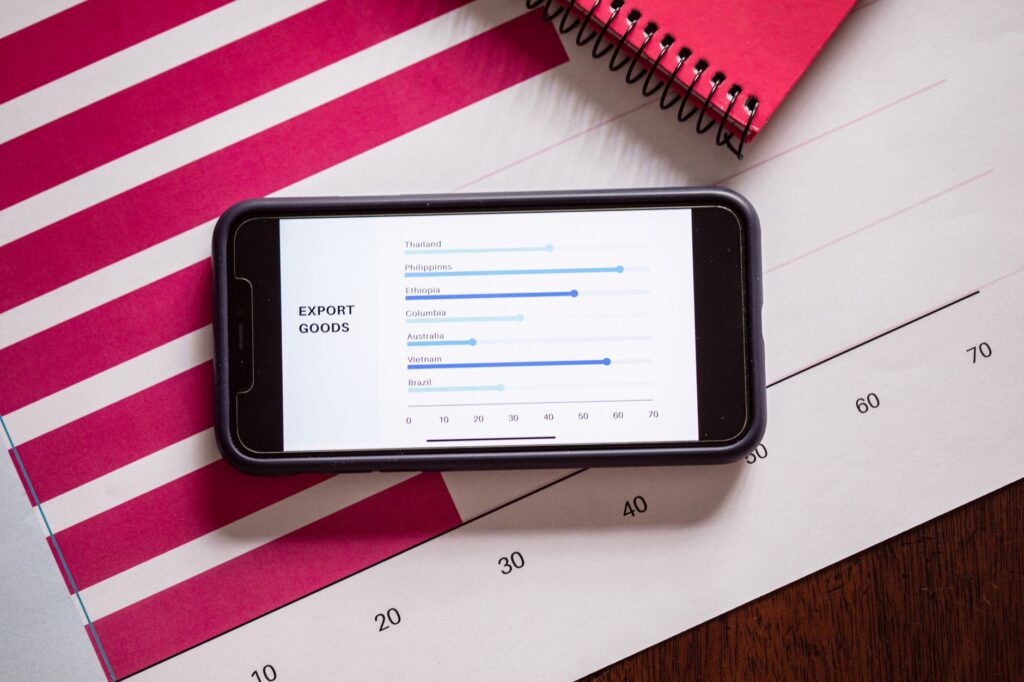

India’s current account deficit expanded to $6.2 billion during June 2026, according to official data released by the Reserve Bank of India. This figure marks a significant shift in the nation’s external balances compared to previous reporting periods. Financial analysts and policymakers closely monitor this key economic indicator to gauge the country’s international trade health.
Official reports indicate that the primary driver behind the wider deficit is a substantial expansion in the merchandise trade gap. The trade deficit climbed sharply to $30.2 billion in June 2026, a notable increase from the $19.2 billion recorded during the same month a year earlier. This accelerated import growth relative to exports placed immediate pressure on the broader economic accounts.
According to the Reserve Bank of India, the widening trade imbalance overshadowed net service receipts and secondary income inflows during the month. Trade experts note that rising global commodity prices and domestic demand heavily influenced the import surge. Despite the larger deficit, foreign exchange reserves remain robust enough to absorb near-term external shocks.
For the broader domestic economy, a widening current account deficit can introduce currency depreciation pressures and influence monetary policy decisions. Industry sectors heavily reliant on imported raw materials face shifting cost dynamics as global trade volumes fluctuate. Economists suggest that sustained high trade gaps may require targeted interventions to boost export competitiveness.
Market participants will watch upcoming trade data releases to determine whether the June widening represents a persistent trend or a temporary spike. Observers will also track central bank interventions in the foreign exchange market to manage potential rupee volatility. Policy adjustments aimed at curbing non-essential imports could emerge in upcoming fiscal reviews.
Disclaimer: This article is published for general news and informational purposes only. While every effort has been made to ensure accuracy, readers are advised to verify important information from official sources. The publisher shall not be responsible for any loss or inconvenience arising from reliance on the information published.