
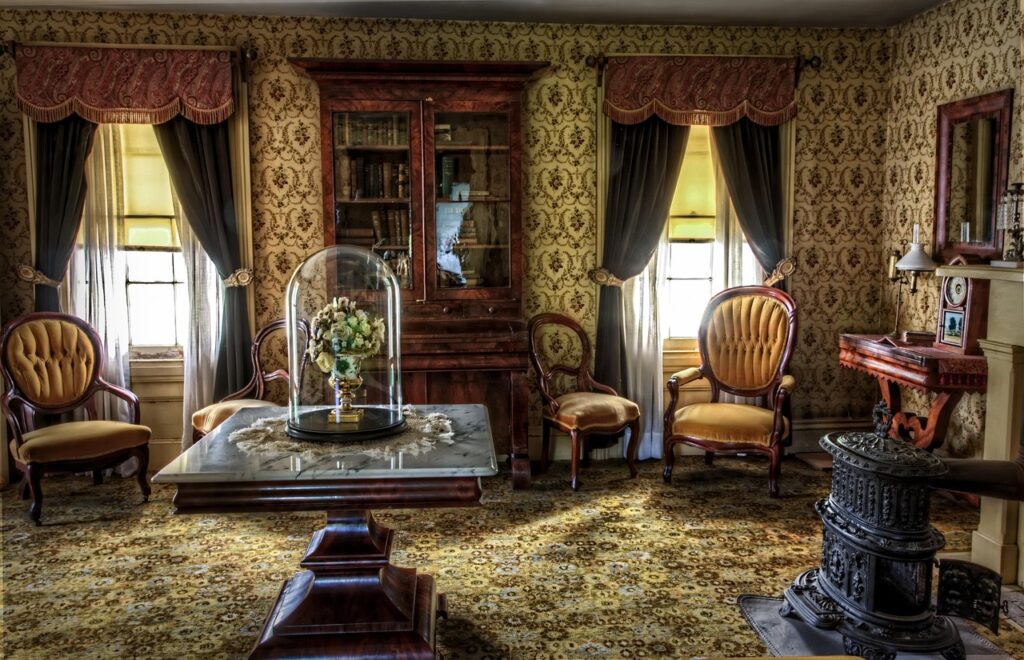

Hyderabad’s historic antique trade is undergoing a significant transformation, shifting its primary consumer base from traditional collectors to modern home décor enthusiasts. According to local reports, vintage dealers across the city are experiencing a surge in demand for heritage items repurposed for contemporary living spaces. This evolving market trend bridges centuries-old craftsmanship with modern interior design preferences.
Historically, the city’s antique commerce centered around rare numismatics, royal memorabilia, and high-value artifacts targeted at niche historians and dedicated collectors. Neighborhoods renowned for vintage artifacts previously catered almost exclusively to connoisseurs seeking preservation-grade pieces from bygone eras. Official market observations indicate that younger homeowners and interior designers are now driving the commercial demand.
Recent market developments show a sharp rise in sales for items such as Nizam-era gramophones, carved wooden brackets, and upcycled brass planters. Dealers report that urban residents increasingly favor statement vintage pieces to add character and warmth to minimalist apartments. Instead of remaining locked inside glass display cabinets, heritage items now serve as functional everyday furniture and artistic focal points.
This commercial shift provides a vital economic boost to local artisans, restorers, and small-scale dealers who preserve traditional craftsmanship techniques. The sustained demand encourages the careful restoration of deteriorating historical artifacts rather than their destruction or neglect. Industry analysts suggest that this trend promotes sustainable consumption by recycling durable, high-quality materials into modern households.
Market observers will monitor whether this surge in interior styling translates into long-term stability for traditional antique merchants. Experts advise watching how dealers adapt their sourcing methods to meet the fast-paced aesthetic demands of modern urban consumers. Future developments may also reveal whether this localized trend influences heritage preservation practices in other historic metropolitan areas.
Disclaimer: This article is published for general news and informational purposes only. While every effort has been made to ensure accuracy, readers are advised to verify important information from official sources. The publisher shall not be responsible for any loss or inconvenience arising from reliance on the information published.













