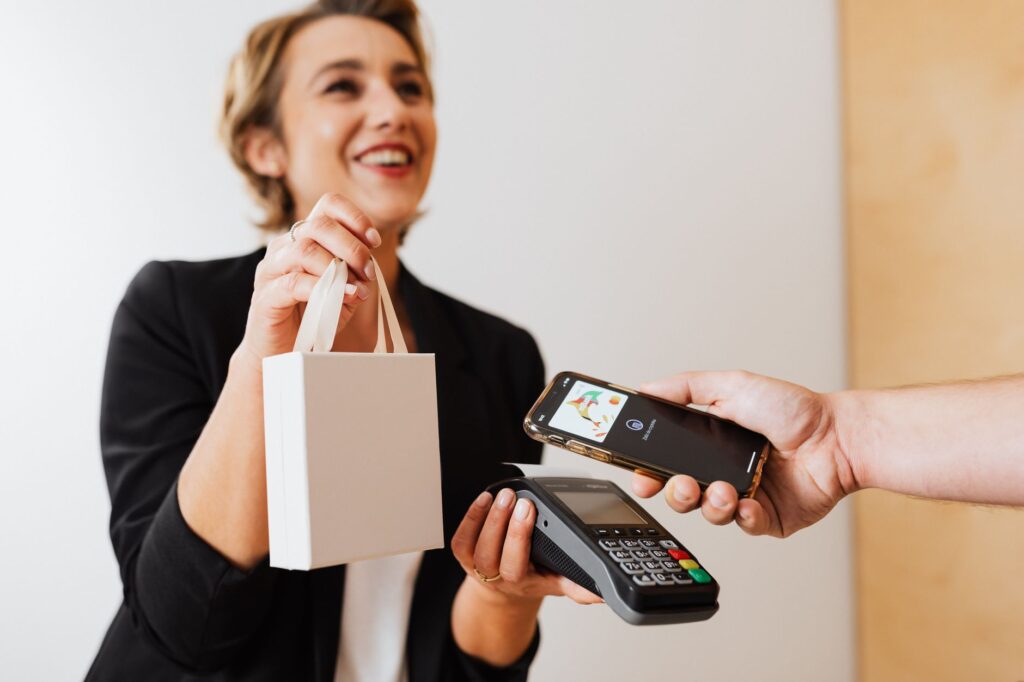

Beginning later this month, retail giant Walmart will finally allow shoppers to use popular tap-to-pay methods, including Apple Pay and Google Pay, at its store checkouts nationwide. This significant shift marks a major departure from the company’s long-standing policy of restricting near-field communication mobile payments in favor of its proprietary Walmart Pay system. According to official reports, the update aims to modernize the checkout experience and accommodate evolving consumer payment preferences across the United States.
Background and Context
For over a decade, Walmart maintained strict control over its payment infrastructure to avoid credit card interchange fees and promote its own financial ecosystem. The company launched Walmart Pay in 2015 as part of the Walmart app, requiring customers to scan a QR code at the register to complete transactions. Industry analysts noted that this closed-loop strategy successfully kept transaction costs low and gathered valuable customer data. However, consumer frustration steadily mounted as mobile wallets became the standard payment method at nearly every other major retailer.
Consumer demand for contactless payment options surged dramatically following the COVID-19 pandemic, as shoppers sought faster, touch-free transactions. While competitors such as Target, Costco, and traditional grocery chains embraced Apple Pay and Google Pay years ago, Walmart remained a notable holdout. According to retail data, an increasing percentage of shoppers now abandon carts or express dissatisfaction when stores fail to accept their preferred digital wallet.
Latest Developments and Key Facts
Official statements confirm that the rollout will commence later this month and deploy progressively across all Walmart and Sam’s Club locations in the United States. Customers will be able to hover their smartphones or contactless credit cards over the checkout terminals to complete purchases instantly. The new payment infrastructure supports major digital wallets, including Apple Pay, Google Pay, and Samsung Pay, alongside standard contactless credit and debit cards.
Store associates are currently receiving updated training to assist customers with the new checkout technology as terminals are updated. Company representatives emphasized that Walmart Pay will remain active within the retailer’s mobile application, offering existing perks and rewards to loyal users. The integration of tap-to-pay technology requires hardware and software updates across hundreds of thousands of registers nationwide.
Impact on Readers, Industry, and Economy
This payment evolution delivers immediate convenience for millions of daily shoppers who prefer leaving physical wallets at home. Retail experts suggest the move will likely reduce checkout times and alleviate bottlenecks during peak shopping hours. By aligning with broader industry standards, Walmart removes a persistent friction point that previously alienated tech-savvy consumers.
Financial analysts indicate that accepting major digital wallets could marginally increase transaction fee expenses for the retailer over time. Nevertheless, the improved customer experience and potential boost in sales volumes are expected to offset these operational costs. The decision further solidifies contactless payments as the universal standard across the American retail landscape.
What to Watch Next
Observers will closely monitor the rollout speed and system stability across Walmart’s extensive physical footprint in the coming weeks. Industry watchers are also keen to see whether the inclusion of Apple Pay impacts the adoption rates of the proprietary Walmart Pay application. Future updates may reveal how transaction speeds and customer satisfaction metrics respond to the new checkout capabilities.
Disclaimer: This article is published for general news and informational purposes only. While every effort has been made to ensure accuracy, readers are advised to verify important information from official sources. The publisher shall not be responsible for any loss or inconvenience arising from reliance on the information published.