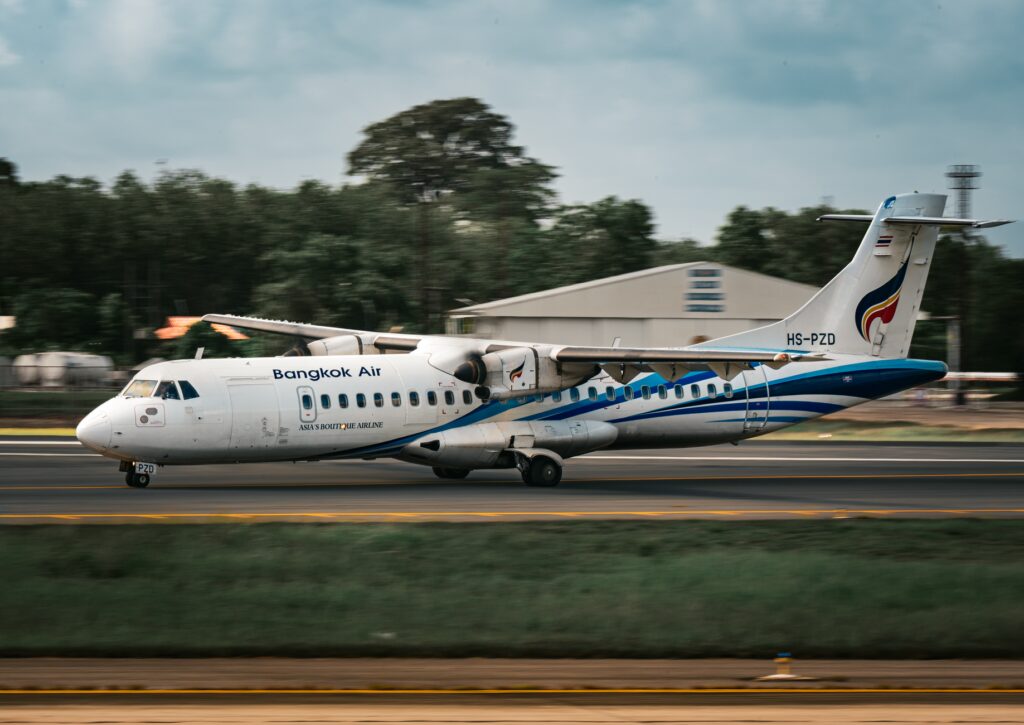

A domestic IndiGo passenger aircraft suffered a tail strike incident last week, prompting aviation authorities to ground the plane for mandatory safety inspections. The Airbus A321 made contact with the runway surface during a landing procedure at a major regional airport. According to official reports, none of the passengers or crew members sustained injuries during the event.
Airport safety teams immediately responded to the occurrence, directing the aircraft to a secure bay for preliminary assessments. Engineers identified structural scrapes on the lower rear fuselage following the landing maneuver. Aviation regulators have initiated a comprehensive inquiry to determine the exact sequence of events leading to the ground contact.
Industry experts note that aircraft with extended fuselages face inherent geometric limitations during takeoff and landing phases. According to technical data, the Airbus A321 model possesses a longer body compared to standard narrow-body variants. This design characteristic requires precise pitch management by flight crews, particularly during adverse weather conditions or crosswind approaches.
Aviation safety boards maintain strict protocols regarding tail strike occurrences, classifying them as significant incidents. Official guidelines mandate that any aircraft experiencing structural surface contact must undergo non-destructive testing and detailed engineering evaluations. IndiGo engineers are currently conducting these rigorous assessments at the airline’s primary maintenance facility.
Recent data from aviation watchdogs indicates a renewed focus on pilot training programs addressing runway geometry and flare techniques. Airlines worldwide continually update their flight simulator scenarios to help crews mitigate the risks associated with longer airframes. Industry analysts suggest this latest event will reinforce adherence to established descent and touchdown parameters.
The temporary grounding of the aircraft may cause minor schedule adjustments across the carrier’s domestic network. However, according to airline representatives, backup fleet capacity has minimized disruptions for booked passengers. Flight operations teams are actively managing aircraft rotations to maintain standard timetable reliability.
Aviation authorities will release a preliminary findings report upon the conclusion of the initial technical examination. Investigators will analyze flight data recorder metrics, air traffic control transcripts, and meteorological logs. These findings will contribute to ongoing safety recommendations for operators of extended-fuselage aircraft.
Stakeholders across the aviation sector will monitor the regulatory response and any subsequent operational directives. Observers anticipate potential updates to pilot training curricula regarding landing configurations and pitch angle awareness. Continued cooperation between airlines and safety regulators remains central to preventing similar occurrences in the future.
Disclaimer: This article is published for general news and informational purposes only. While every effort has been made to ensure accuracy, readers are advised to verify important information from official sources. The publisher shall not be responsible for any loss or inconvenience arising from reliance on the information published.