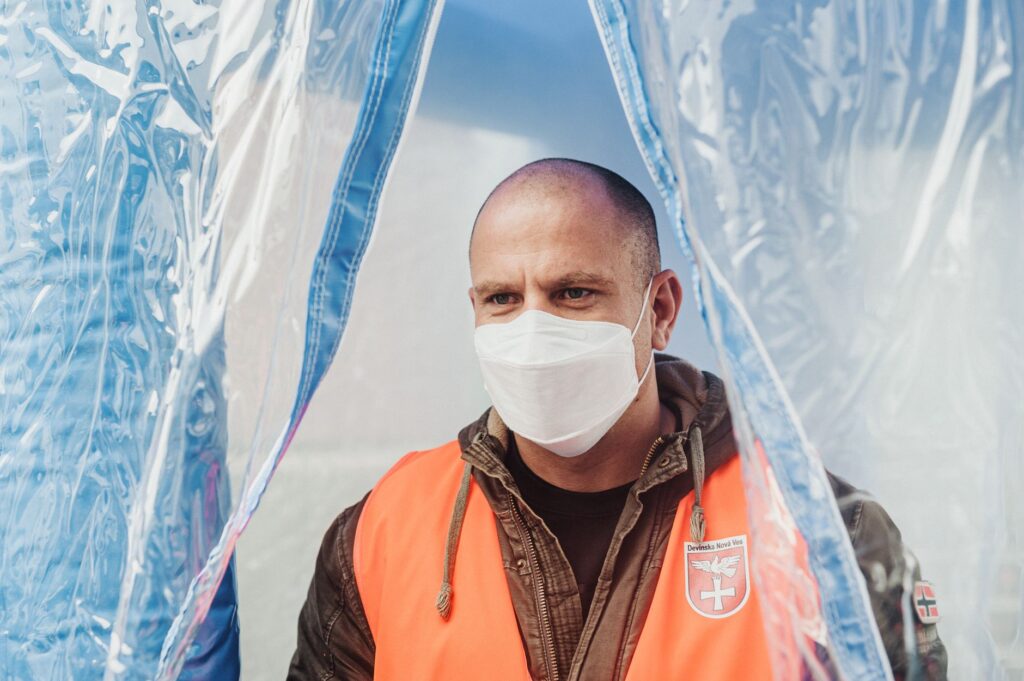

In May, the Canadian government instituted a mandatory three-week quarantine policy for all travelers returning from nations severely affected by the Ebola epidemic. This regulation quickly triggered widespread concern among humanitarian organizations operating in West Africa. According to reports, the stringent containment protocol has directly impacted frontline aid workers, including volunteers like Lily-Madeleine Seguin. Critics argue that these administrative barriers complicate the urgent deployment of medical personnel to the crisis zone.
Background and Context
The 2014 Ebola outbreak in West Africa became one of the most severe public health emergencies in modern history. Governments worldwide scrambled to implement travel restrictions and quarantine protocols to prevent the domestic spread of the deadly virus. Canada was among the nations that introduced precautionary isolation measures for returning citizens and residents. While policymakers intended these safeguards to protect public health at home, the restrictions created immediate operational hurdles for international relief agencies.
Latest Developments and Key Facts
Official data shows that humanitarian groups faced severe staffing shortages as experienced medical professionals hesitated to deploy. Volunteers returning from affected regions faced mandatory 21-day absences from their regular employment and daily routines upon landing in Canada. According to aid organizations, this extended downtime discouraged many potential volunteers from joining critical missions. Medical personnel argued that the quarantine rules did not align with scientific evidence regarding asymptomatic transmission during the early stages of post-deployment return.
Impact on the Global Health Response
The policy created a significant bottleneck in the global supply of specialized healthcare workers needed in West Africa. Aid agencies reported that losing weeks of workforce capacity per volunteer severely strained already fragile local healthcare systems. Furthermore, the restrictions affected the psychological well-being of returning workers who faced social stigma alongside mandatory isolation. Economists and public health analysts noted that delaying medical reinforcements ultimately prolonged the outbreak, amplifying economic disruptions across the affected countries.
What to Watch Next
Public health experts and policymakers continue to debate the balance between domestic security and international humanitarian obligations. Observers are closely monitoring how governments adapt their emergency response protocols for future infectious disease outbreaks. Future policy discussions will likely focus on targeted monitoring systems rather than blanket quarantines for returning medical staff. Stakeholders hope these lessons will ensure a more agile and supportive environment for global health volunteers moving forward.
Disclaimer: This article is published for general news and informational purposes only. While every effort has been made to ensure accuracy, readers are advised to verify important information from official sources. The publisher shall not be responsible for any loss or inconvenience arising from reliance on the information published.