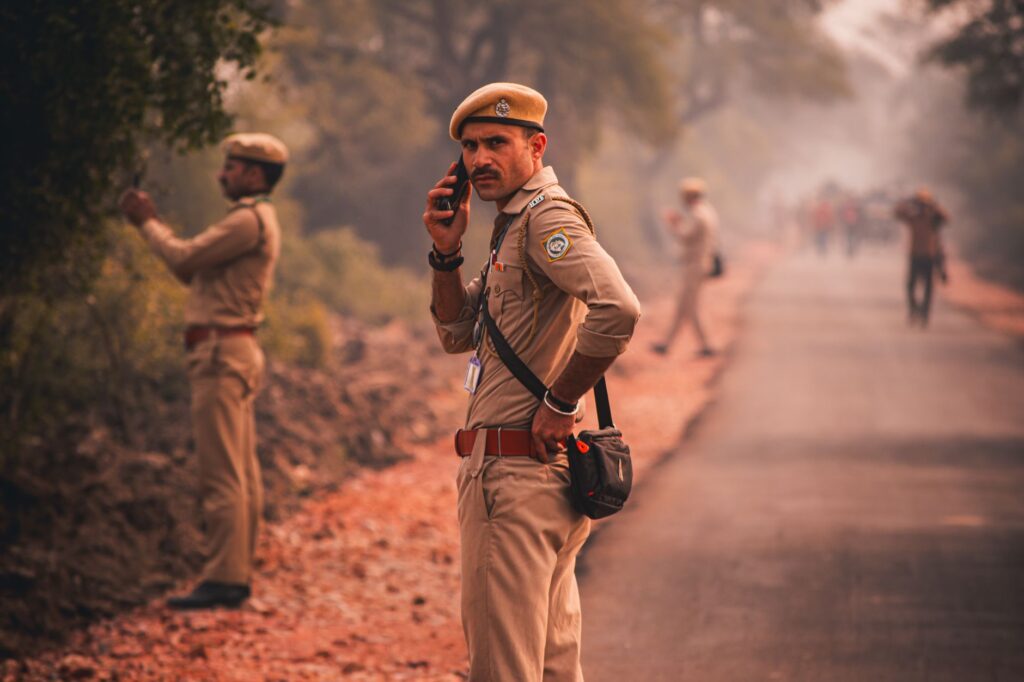

Madhya Pradesh Chief Minister Mohan Yadav instructed district administrations in Panna and Chhatarpur to directly engage with families affected by the Ken-Betwa river-linking project, according to official reports released this week. The directive mandates that local authorities visit every single household in the designated relocation zones to document ground realities and address emerging concerns.
The initiative aims to bridge the communication gap between displaced residents and state planners as the monumental infrastructure undertaking moves forward. By prioritizing direct outreach, the state government seeks to ensure that rehabilitation procedures remain transparent, empathetic, and responsive to the community’s needs.
Background and Context
The Ken-Betwa river-linking initiative stands as India’s first major inter-state river integration project under the National Perspective Plan. Designed to divert surplus water from the Ken River to the water-scarce Betwa basin, the engineering feat primarily benefits the Bundelkhand region across Madhya Pradesh and Uttar Pradesh.
Official data shows that the project involves the construction of the Dhaudhan Dam and a canal network that will submerge portions of land within the Panna Tiger Reserve and surrounding villages. Consequently, numerous local communities face mandatory displacement and subsequent resettlement, triggering prolonged discussions regarding compensation, livelihood security, and environmental safeguards.
Latest Developments and Key Facts
In response to ongoing community apprehensions, Chief Minister Yadav convened a high-level review meeting with senior bureaucrats and district collectors. He explicitly ordered officials from Panna and Chhatarpur to conduct thorough door-to-door visits rather than relying solely on administrative paperwork.
According to reports, these outreach teams are tasked with documenting specific grievances related to land acquisition, financial compensation packages, and infrastructure provisions at proposed resettlement sites. The state administration has also emphasized the swift resolution of pending claims to expedite the rehabilitation timeline without compromising the welfare of rural residents.
Impact on Readers, Industry, and Economy
The successful execution of the Ken-Betwa project holds immense significance for agricultural productivity in central India, promising irrigation access to millions of drought-prone hectares. However, the socio-economic fallout for displaced families remains a critical challenge for policymakers balancing regional development with individual rights.
For industries tied to civil engineering, water management, and heavy machinery, the project represents a multi-billion-dollar economic driver. At the same time, the administration’s emphasis on direct public engagement sets a precedent for handling large-scale infrastructure displacement with heightened administrative accountability.
What to Watch Next
Observers will closely monitor the implementation and outcomes of the newly mandated household visits in Panna and Chhatarpur. Key indicators of success will include the speed at which grievances are resolved and the overall satisfaction levels reported by families designated for resettlement.
Furthermore, upcoming environmental clearances and inter-state coordination meetings between Madhya Pradesh and Uttar Pradesh will shape the next operational phases of the river-linking initiative. Public disclosures regarding rehabilitation packages will provide further clarity on the state’s long-term commitment to affected populations.
Disclaimer: This article is published for general news and informational purposes only. While every effort has been made to ensure accuracy, readers are advised to verify important information from official sources. The publisher shall not be responsible for any loss or inconvenience arising from reliance on the information published.