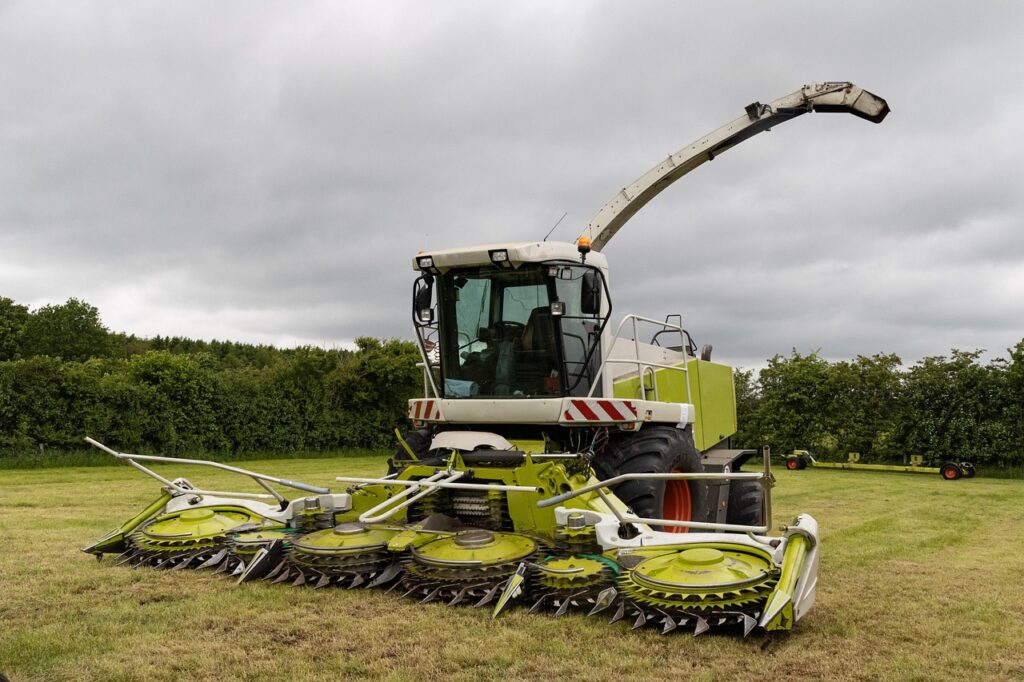

Industry stakeholders and environmental planners met in major agricultural regions last week to discuss the rapid expansion of the compressed biogas (CBG) sector, identifying raw material acquisition as the primary catalyst for future growth. The strategic initiative aims to address mounting organic waste management challenges while simultaneously bolstering renewable energy supplies.
According to official reports, the viability of the green energy sector heavily relies on a steady and predictable supply of organic matter. Producers across the region are currently evaluating new logistical frameworks to secure adequate volume without disrupting local agricultural supply chains.
Background and Context
The production of compressed biogas traditionally depends on anaerobic digestion, a biological process that breaks down biodegradable materials in the absence of oxygen. Historically, facility operators relied on localized waste streams, which often led to operational inconsistencies and capacity bottlenecks.
Official data shows that agricultural byproducts and animal waste represent the vastest untapped potential for large-scale energy generation. Utilizing these materials not only yields high-grade renewable fuel but also mitigates the environmental hazards associated with traditional agricultural waste disposal.
Latest Developments and Key Facts
Recent industry assessments indicate that press mud, agricultural residues such as paddy and wheat straw, and animal manure constitute the most widely utilized feedstocks for CBG generation. Processing facilities are increasingly optimizing their supply chains to incorporate these diverse organic inputs efficiently.
According to industry analysts, technological advancements in pretreatment procedures now allow plants to process tougher lignocellulosic biomass more effectively. These operational improvements significantly enhance overall gas yield and reduce processing times at commercial facilities.
Impact on the Industry and Economy
The systematic sourcing of agricultural and industrial waste creates vital secondary revenue streams for farming communities. Rural economies stand to benefit significantly as farmers monetize residues that were previously burned or discarded.
Furthermore, scaling the CBG ecosystem diversifies national energy portfolios and reduces reliance on imported fossil fuels. According to sector experts, a robust feedstock supply chain directly translates to lower production costs and greater market stability for green fuel consumers.
What to Watch Next
Observers will monitor upcoming regulatory frameworks designed to streamline the collection and transportation of agricultural waste. Policymakers are expected to introduce new incentives for long-term supply contracts between farmers and biogas plant operators.
Industry leaders will also track pilot projects testing innovative collection logistics and digital tracking systems. These technological interventions aim to resolve persistent logistical hurdles and ensure uninterrupted facility operations moving forward.
Disclaimer: This article is published for general news and informational purposes only. While every effort has been made to ensure accuracy, readers are advised to verify important information from official sources. The publisher shall not be responsible for any loss or inconvenience arising from reliance on the information published.