
Nagaland Landslide Tragedy
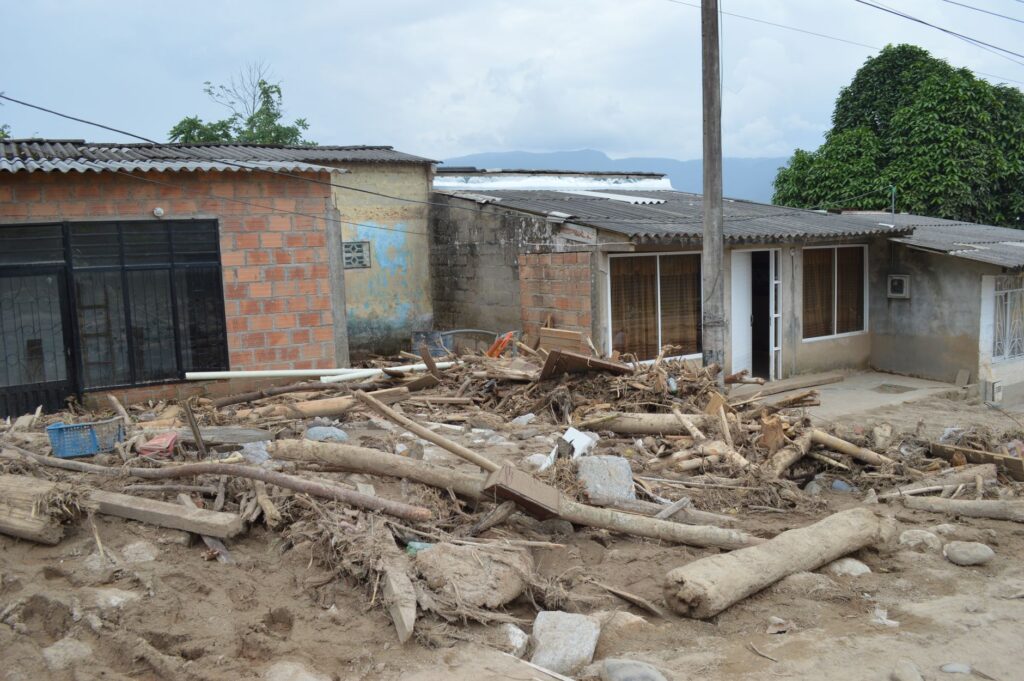
A catastrophic natural disaster recently struck the northeastern state of Nagaland, resulting in the tragic deaths of two individuals. A massive landslide triggered the descent of giant boulders from a steep hillside, which directly impacted vehicles driving along the roadway below.
Incidents of this nature underscore the unpredictable and dangerous nature of seasonal weather patterns in mountainous regions. As heavy rainfall continuously weakens soil stability, geological shifts become increasingly common, posing severe threats to commuters and local residents alike.
Immediate Emergency Response
Following the sudden disaster, local authorities and emergency response teams were swiftly mobilized to manage the crisis. Rescue operations commenced promptly to clear the debris, assist any survivors, and recover the victims.
Eyewitness reports and recorded video footage of the incident quickly circulated, capturing the terrifying moment the gigantic rocks plummeted down the slope. The sheer force of the impact completely crushed the targeted automobiles, demonstrating the overwhelming power of unsecured earth and stone during a hillside collapse.
Infrastructure and Regional Safety Challenges
Geographical terrain across much of Nagaland features complex topography that makes road infrastructure particularly vulnerable during monsoon seasons. Slopes that appear stable can suddenly give way under prolonged precipitation, catching drivers completely off guard.
Experts and transport officials frequently emphasize the necessity of enhanced geological surveys in high-risk zones. Implementing protective barriers, rockfall netting, and early warning systems can significantly mitigate the dangers posed by unstable terrain.
Ongoing Monitoring and Precautions
In the wake of this fatal event, regional administrations have urged travelers to exercise extreme caution when navigating mountain passes during periods of intense rainfall. Road safety protocols often include temporary closures of vulnerable stretches to prevent further loss of life.
Community awareness and timely dissemination of weather alerts remain critical components in preventing future tragedies. Authorities continue to monitor susceptible hillsides closely as recovery efforts proceed and infrastructure repairs are evaluated.