
Meghalaya Achieves International Trade Milestone
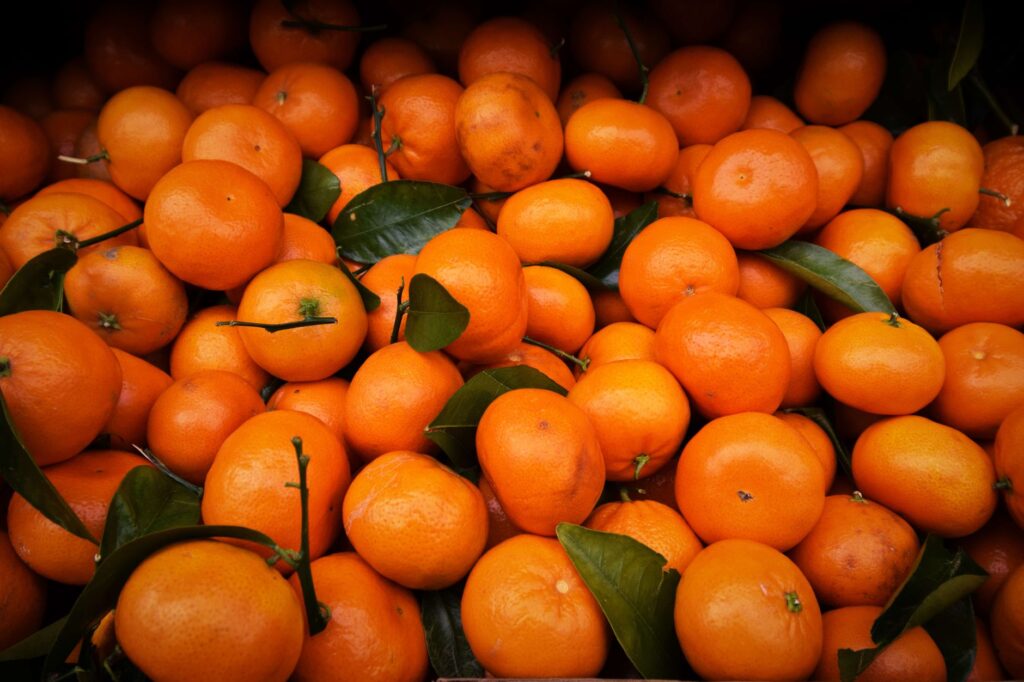
The northeastern state of Meghalaya has marked a significant achievement in its agricultural sector by successfully exporting a substantial consignment of citrus fruit to the Middle East. Officials and agricultural authorities report that a total of 20 metric tons of the famed regional oranges have been dispatched to Dubai. This shipment represents a pivotal moment for local farmers and producers seeking to establish a strong presence in foreign markets.
The specific variety sent abroad is the Khasi Mandarin, an indigenous citrus fruit celebrated for its unique flavor profile, juiciness, and balanced sweetness. Known widely throughout the region, these oranges hold a Geographical Indication tag, which highlights their distinct geographical origin and exceptional quality attributes. Agricultural experts have long touted the potential of this local produce to captivate international consumers who seek premium, authentic citrus varieties.
Expanding Global Horizons for Local Farmers
The successful dispatch of the fruit to the United Arab Emirates is part of a broader strategy designed to elevate the economic standing of agrarian communities within the state. By connecting local cultivators directly with international buyers, government bodies and trade agencies aim to secure better remuneration for growers. Historically, farmers often faced limitations regarding distribution channels and local market saturation, which frequently capped their earning potential.
Opening new trade pathways allows producers to bypass traditional domestic hurdles and tap into high-value overseas demand. The successful delivery to Dubai serves as a practical demonstration of what regional supply chains can achieve when supported by targeted export initiatives and modern logistical frameworks. Stakeholders hope this initial venture will build lasting confidence among international importers regarding the reliability and quality of agricultural goods originating from the northeast of the country.
Strategic Initiatives and Future Prospects
Building upon this initial success, agricultural departments and export promotion boards are already planning further expansions into additional foreign markets. Officials note that discussions are underway to identify other regions with a strong appetite for premium citrus fruits. The primary objective is to maintain a consistent supply chain throughout the harvest season, ensuring that international buyers receive fresh produce on a regular basis.
To achieve these ambitious goals, authorities are focusing heavily on improving post-harvest management, cold storage facilities, and packaging standards. Proper handling is essential to maintain the structural integrity and freshness of the fruit during long-distance transit. Additionally, training programs are being rolled out to educate cultivators on international quality control measures and export compliance protocols.
Economic Impact on Regional Communities
The ripple effects of successful international trade are expected to benefit the broader regional economy significantly. Increased demand for the citrus fruit translates into higher income levels for orchard owners, laborers, and transport operators involved in the supply chain. Financial stability at the grassroots level often leads to greater investment in farming infrastructure, advanced agricultural technologies, and sustainable cultivation practices.
Furthermore, this achievement highlights the untapped potential of indigenous crops from less-represented regions. As more global consumers become aware of the exceptional qualities associated with these local specialties, the region stands to gain considerable recognition on the world trade map. The recent shipment to Dubai is merely the beginning of an ambitious journey aimed at transforming local agriculture into a globally competitive enterprise.