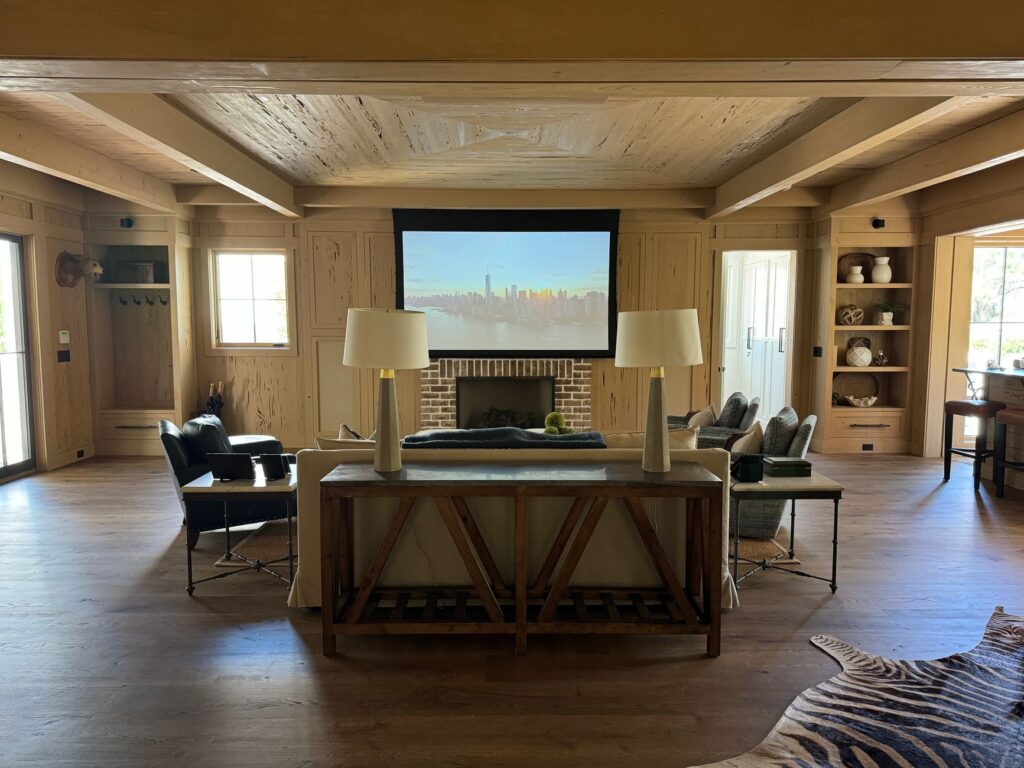

Introduction to Home Cinema Planning
Building a dedicated home theater is an exciting venture for any movie enthusiast or gaming fan. Transitioning from a standard television to a massive projection screen transforms an ordinary living space into an immersive entertainment hub. However, achieving that cinematic magic requires careful planning. Many buyers focus exclusively on high-resolution displays and high lumen outputs, only to find themselves disappointed once the equipment is finally installed in their rooms.
Understanding Projector Technology Basics
Before making any purchase decisions, it is vital to understand the underlying technology of modern projection systems. Different display mechanisms handle contrast, color accuracy, and motion in distinct ways. Relying solely on marketing specifications can lead to poor performance in real-world environments. Evaluating how projection devices process high-definition content ensures that the chosen unit aligns with your specific viewing habits and room conditions.
Evaluating Environmental Light and Brightness
One of the most frequent oversights during the planning phase involves ambient room illumination. Even the brightest projectors struggle against uncontrolled natural light entering through windows or harsh overhead fixtures. Achieving deep blacks and vibrant colors often requires dark-room conditions or specialized ambient light-rejecting screens. Assessing the natural light levels in your intended viewing space during different times of day is crucial for optimal visual performance.
Strategic Placement and Throw Distances
Physical installation logistics frequently catch buyers off guard. Every projector has a specific throw ratio, which dictates how far the unit must be positioned from the screen to achieve a desired image size. Failing to calculate these exact measurements beforehand can result in an image that is either too large for the surface or physically impossible to focus properly within the constraints of the room.
Audio Integration and Acoustic Considerations
Visual quality is only half of the cinematic equation. Neglecting the audio setup often ruins the overall experience. Projectors typically generate fan noise during operation, and their built-in speakers rarely match the immersive quality of dedicated external sound systems. Planning for a proper surround sound setup or a quality soundbar ensures that the audio matches the scale of the large visual display.
Conclusion for Future Buyers
Investing in a home projection system brings immense satisfaction when approached with thorough preparation. By evaluating environmental conditions, understanding technical specifications, and planning physical placement carefully, buyers can avoid common pitfalls. Taking these proactive steps guarantees a stunning visual experience that truly delivers on the cinematic promise of the big screen.