
Market Reaction and Shareholder Concerns
Shares of major athletic retailer Dick’s Sporting Goods suffered a dramatic decline recently, plummeting by twenty-eight percent in a single session. This severe market reaction followed a disappointing quarterly earnings report that fell short of Wall Street estimates. Investors quickly reacted to multiple warning signs within the financial update, expressing apprehension regarding the company’s immediate commercial trajectory and overall retail health.
The disappointing results sent immediate shockwaves through the retail sector. Market participants reassessed their positions as management revealed lower profit projections for the remainder of the fiscal year. Such a sharp downward adjustment in stock valuation highlights the unforgiving nature of current market conditions for retail entities failing to meet lofty expectations.
Underlying Factors Behind the Earnings Miss
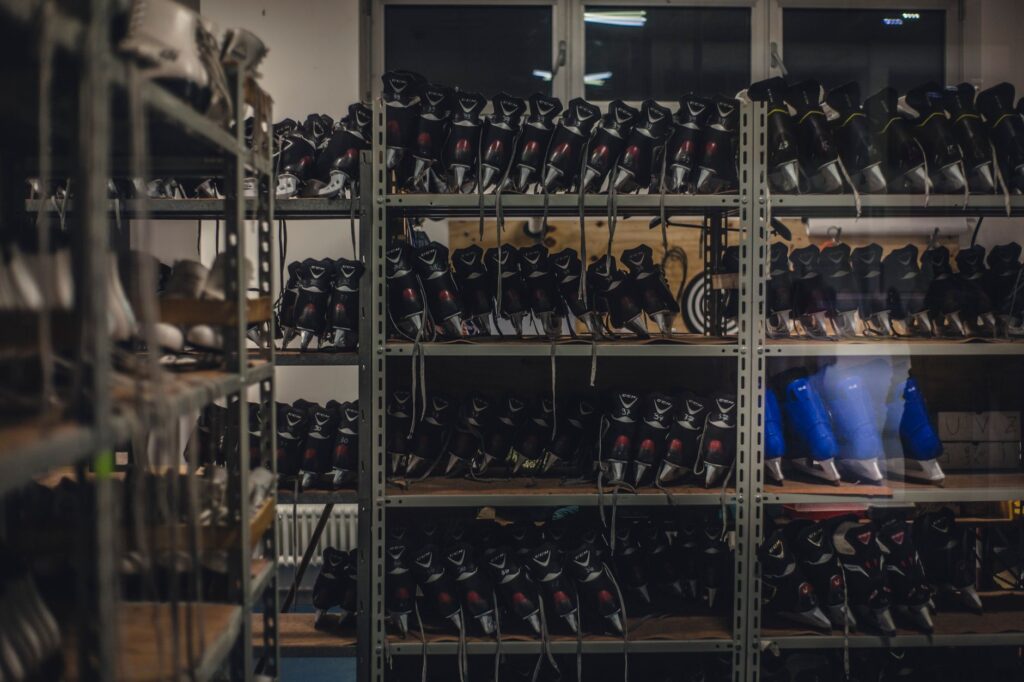
Several distinct headwinds contributed to the downward pressure on financial performance. Among the primary drivers was a notable softness in consumer demand for footwear. Athletic footwear historically serves as a high-margin category for sporting goods retailers, and sluggish sales in this division directly impacted gross profit margins.
Furthermore, broader macroeconomic pressures have begun to alter consumer purchasing habits. Discretionary spending on non-essential sporting goods and premium athletic equipment has moderated. Households facing higher living costs are increasingly selective, choosing to allocate funds toward essential goods rather than high-end athletic apparel and gear.
Inventory management and promotional discounting also played a role in the lower-than-expected earnings. To clear out slower-moving merchandise, the retailer had to rely more heavily on price reductions. While promotional strategies help maintain inventory turnover, they inevitably erode profitability and weigh heavily on bottom-line results.
Revised Guidance and Future Outlook
In response to these operational challenges, company leadership elected to lower its full-year financial guidance. Management adjusted expectations downward for both annual revenue and net income. This conservative outlook signals that executives anticipate the current consumer softness and footwear demand hurdles to persist for the foreseeable future.
Despite the immediate turbulence, leadership emphasized long-term strategic initiatives designed to stabilize operations. Investments in omnichannel retail experiences, loyalty programs, and exclusive merchandise partnerships remain central to the brand’s growth strategy. Executives believe these foundational strengths will eventually restore momentum once broader economic conditions normalize.
What Lies Ahead for Investors
As the market digests this significant correction, analysts are closely monitoring consumer spending trends within the athletic retail space. The coming quarters will reveal whether the footwear demand slump is a temporary adjustment or a more enduring shift in consumer preferences.
For shareholders and potential investors, patience and careful observation will be critical. The steep price drop may present a value opportunity for long-term investors, provided management can successfully execute its revised strategy and reignite growth in core categories. Until clear signs of recovery emerge in quarterly sales metrics, caution is expected to govern market sentiment toward the stock.