
Background and Context
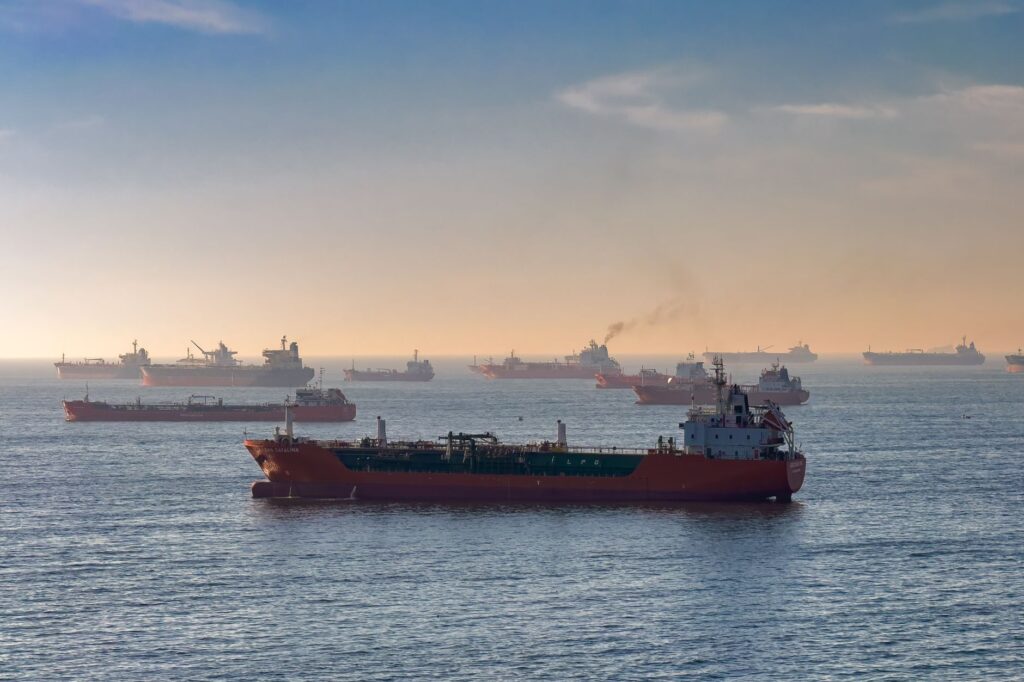
International maritime trade routes face fresh scrutiny as geopolitical tensions rise in key geographic bottlenecks. Regulatory bodies and regional authorities continue to monitor vessel movements closely to ensure compliance with local and international laws. Recently, regional authorities have taken strict enforcement actions against commercial shipping operations in one of the world’s most critical oil transit corridors.
The Recent Enforcement Action
Authorities in Tehran have placed a total of 45 commercial vessels on an official restricted list. This enforcement measure follows accusations of operational violations within a vital maritime passage used globally for energy transport. Among the restricted vessels, two commercial ships flying the Indian flag have been identified as part of the broader crackdown by regional port authorities.
Implications for Global Shipping
The Strait of Hormuz serves as a vital artery for international energy supplies, making any regulatory disruption a matter of global concern. Fleet operators and maritime agencies are currently reviewing their compliance protocols to avoid similar penalties. The inclusion of vessels from various international flags highlights the stringent enforcement of navigational rules currently being implemented in the area.
Next Steps for Fleet Operators
Commercial shipping companies utilizing the Middle Eastern maritime corridor are advised to verify all transit permits and operational guidelines. Navigational compliance remains paramount as regional monitors continue to track vessel activities. Stakeholders across the logistics sector are closely observing developments to mitigate potential disruptions to global supply chains.