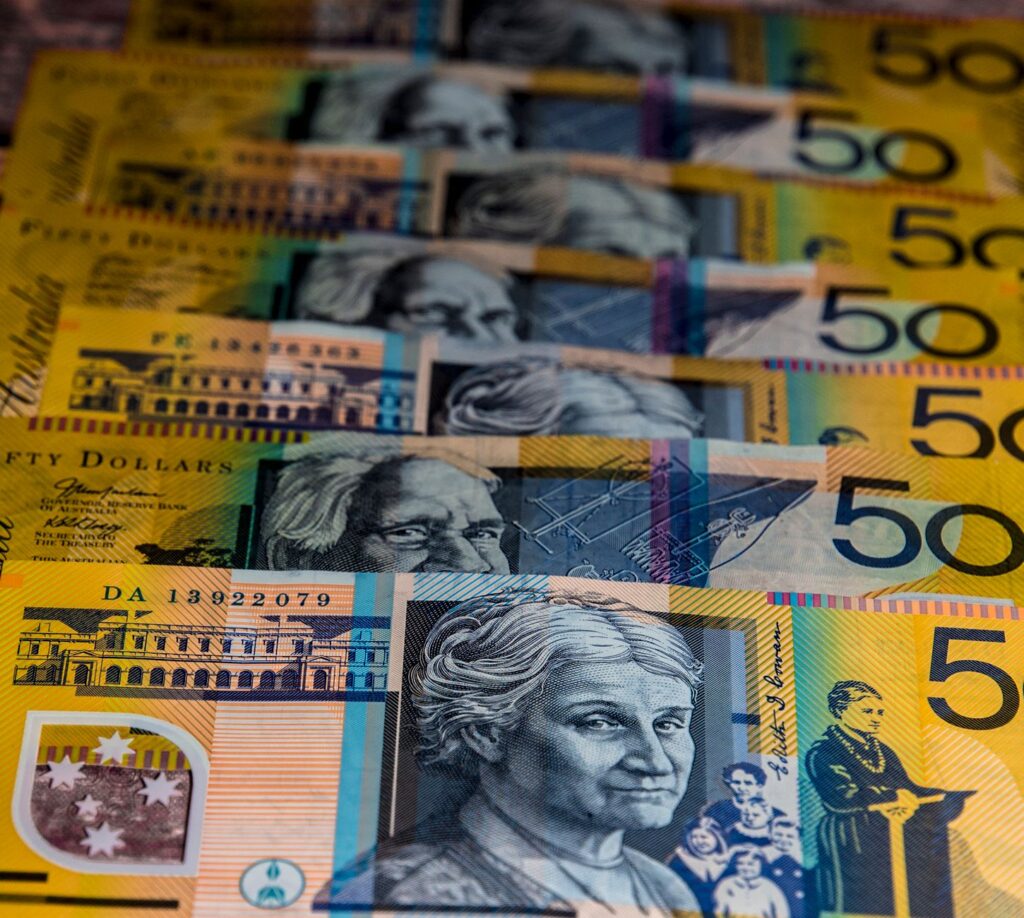

Introduction to Polymer Currency in India
The financial authorities in India are taking decisive steps toward introducing plastic currency notes. This monumental shift aims to enhance the durability and longevity of circulating cash while reducing replacement costs. As the planning phase progresses, stringent guidelines have been established to ensure that potential manufacturing partners meet rigorous ethical and security standards.
Ethical Sourcing and Dietary Sensitivities
A primary consideration in the production of these new notes involves the elimination of animal byproducts. Bidding companies must officially certify that their manufacturing processes entirely exclude animal tallow. Respecting cultural and religious sentiments regarding dietary and lifestyle restrictions remains a paramount priority for the authorities overseeing the project.
Strengthening National Security and Supply Chains
Security remains a critical pillar of the upcoming transition to plastic banknotes. To protect the national financial infrastructure, strict protective firewalls have been implemented to exclude entities from specific neighboring regions. Manufacturers seeking participation must clear comprehensive vetting procedures to prevent any compromise to the integrity of the currency supply chain.
Technological Advancement and Counterfeit Prevention
Transitioning to polymer material offers significant advantages in combatting forgery. Advanced security features can be seamlessly integrated into the substrate during production, making unauthorized reproduction vastly more difficult for counterfeiters. These modern features will safeguard the economy and protect citizens from fraudulent currency.
Environmental Considerations and Sustainability
While plastic banknotes last significantly longer than traditional cotton paper alternatives, environmental impact is carefully evaluated. Authorities are examining sustainable practices within the polymer manufacturing sector to align the modernization of the monetary system with broader ecological goals.
Timeline and Future Outlook
Although the initiative is still navigating through complex bidding processes and security checks, the eventual introduction of polymer notes marks a transformative era for the national economy. Citizens can anticipate a more resilient, cleaner, and technologically advanced currency in the coming years as preparations continue to unfold smoothly.