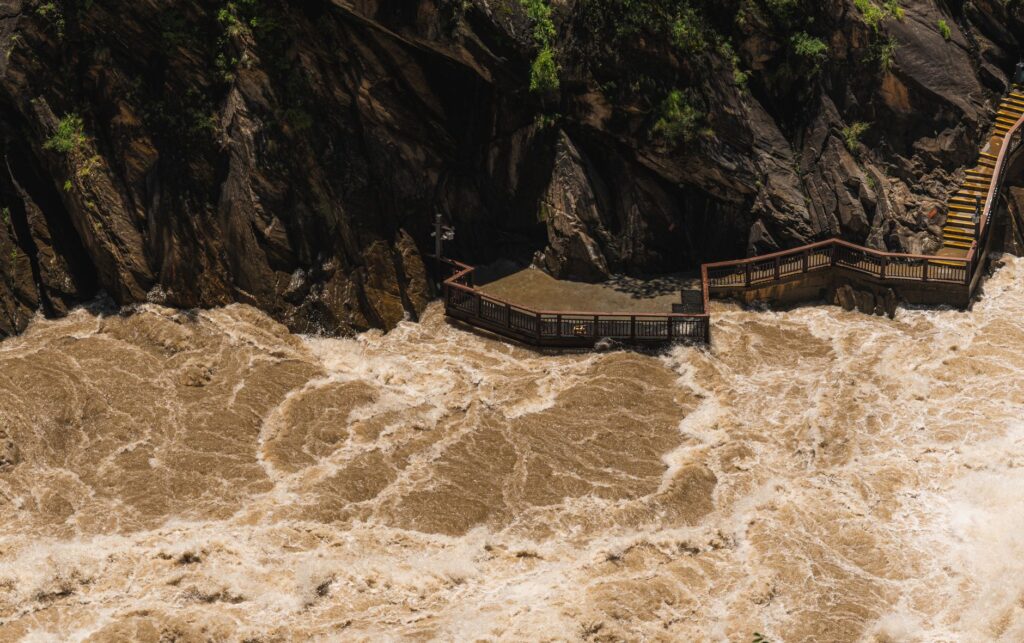

Emergency response teams have confirmed that a sudden and violent flash flood within Grand Canyon National Park resulted in one fatality and left multiple individuals unaccounted for. The severe weather event triggered extensive rescue and evacuation operations along the Colorado River corridor, affecting numerous visitors and outdoor enthusiasts exploring the iconic American landscape during the late summer season.
Immediate Emergency Response and Evacuations
Following the catastrophic surge of water, park rangers and specialized rescue units were immediately dispatched to the affected zones. Dozens of stranded individuals were safely evacuated from remote areas along the riverbanks. Aviation units and ground search teams collaborated to locate stranded hikers and campers who were caught off guard by the rapid rise in water levels.
Understanding the Risks of Canyon Weather
Grand Canyon National Park is famously prone to sudden flash floods, particularly during periods of localized heavy rainfall. Narrow canyons and steep rock walls funnel rainwater quickly into dry washes and creeks, creating walls of water that can sweep through an area with little to no warning. Authorities continually urge visitors to monitor weather forecasts closely and avoid low-lying drainage areas when storms are in the regional forecast.
Ongoing Search and Rescue Operations
Search operations remain active for the individuals who are still missing following the disaster. Rescue personnel are utilizing specialized equipment, watercraft, and K-9 units to comb the riverbanks and debris fields. The identity of the deceased individual is being withheld pending family notification and official statements from local county coroners.
Visitor Safety Guidelines
Park officials have reiterated the importance of strict adherence to backcountry safety protocols. Visitors planning river trips or remote hikes should check in with ranger stations for real-time updates regarding trail closures and weather hazards. Being prepared for extreme and rapidly changing environmental conditions is essential for anyone venturing into the remote regions of the national park.