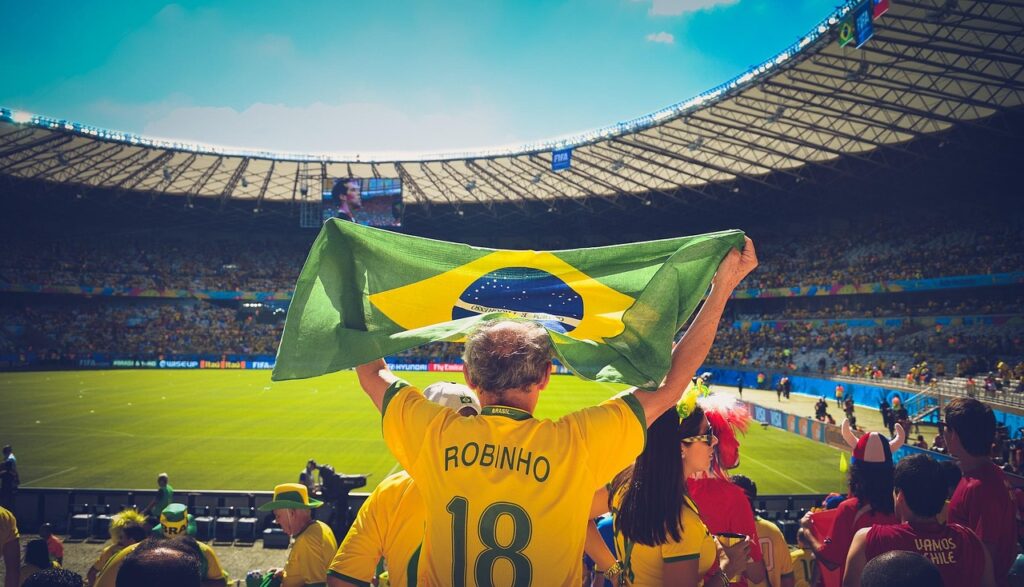

As the FIFA World Cup 2026 group stages intensify across North America, European giants France and Scandinavian dark horses Norway have swiftly secured their knockout berths, spearheaded by global football sensations Kylian Mbappe and Erling Haaland, respectively, setting an early and formidable tone for the expanded tournament. Simultaneously, all eyes are turning to Guadalajara, Mexico, where a high-stakes group stage encounter pits European champion Spain against South American powerhouse Uruguay, a match that could critically determine Uruguay’s survival in the competition if they fail to secure a positive result.
Context: The New Era of World Cup Football
The FIFA World Cup 2026 marks a historic departure from previous editions, expanding to an unprecedented 48 teams and distributed across 16 vibrant host cities spanning the United States, Canada, and Mexico. This significant structural change introduces a more complex group stage format and, crucially, offers more nations the chance to compete on football’s biggest stage. For teams like France and Norway, securing early qualification is a strategic masterstroke, granting them invaluable time to manage player fitness, experiment with tactical variations, and meticulously prepare for the unforgiving knockout rounds, a luxury many competitors will desperately crave.
The expanded tournament is not merely about more teams; it represents a monumental logistical undertaking and promises an unparalleled spectacle of football, driving unprecedented fan engagement and significant economic impact across the three host nations. The early drama, from dominant performances to nail-biting finishes, underscores the inherent unpredictability and heightened stakes of this new World Cup era.
France’s Dominance and Mbappe’s Unstoppable Rise
France’s seamless progression to the knockout stage reaffirms their status as formidable contenders for the ultimate prize, having already clinched the European Championship. Their campaign has been characterized by a blend of tactical brilliance and individual genius, with Kylian Mbappe once again proving to be the undisputed architect of their success. The prodigious forward’s blistering pace, audacious dribbling, and clinical finishing have seen him consistently breach opposition defenses, contributing vital goals and assists that propelled France to maximum points with a game to spare.
Mbappe’s ability to perform under pressure, coupled with a stellar supporting cast, positions him as a strong candidate for the tournament’s Golden Boot. For coach Didier Deschamps, this early security means he can strategically rest key players and fine-tune formations, ensuring his squad is fresh and optimally prepared for the rigorous demands of the latter stages. This calculated approach could be the decisive factor in their pursuit of another coveted star above their crest.
Norway’s Breakthrough: Haaland Leads a New Generation
Norway’s qualification is arguably one of the early stories of the tournament, showcasing the emergence of a talented generation led by the prolific Erling Haaland. His raw power, relentless goal-scoring instinct, and imposing physical presence have been instrumental in their journey, with Haaland consistently finding the back of the net in crucial moments. This achievement marks a significant milestone for Norwegian football, signaling their capability to compete with the sport’s traditional giants and inspiring a nation.
Analysts are increasingly viewing Norway as a potential dark horse, capable of springing surprises deep into the competition. Their direct, high-energy style, combined with Haaland’s unparalleled ability to convert chances, makes them a challenging opponent for any team. The early success has instilled confidence, fostering a belief that this Norwegian squad can make a lasting impact on the world stage.
Guadalajara Showdown: Spain vs. Uruguay – A Battle for Survival
The spotlight now shifts to Guadalajara, Mexico, for a pivotal Group C encounter between European champions Spain and South American stalwarts Uruguay. For Spain, already showing glimpses of their fluid, possession-based football that secured them continental glory, this match is an opportunity to consolidate their top spot and affirm their credentials. Their young, dynamic squad, brimming with technical prowess, will aim to dictate play and dismantle Uruguay’s resolute defense.
Conversely, Uruguay finds itself under immense pressure, needing a positive result to keep their hopes of advancing alive. Known for their tenacious defending and opportunistic attacking, the Celeste will rely on their experienced core and unwavering fighting spirit. A loss could see them facing an early exit, a scenario unthinkable for a nation with such a rich World Cup history. This promises to be a tactical chess match, with both teams understanding the gravity of the three points at stake.
The Expanded Tournament’s Impact and Strategic Advantages
The early dynamics of the 2026 World Cup are already highlighting the strategic advantages of the new 48-team format. While it offers more berths, it also intensifies the initial scramble for points within groups. Data from sports analytics firm Opta indicates that teams securing early qualification in major tournaments historically demonstrate a higher average progression rate through subsequent knockout rounds, often attributed to reduced player fatigue and enhanced tactical preparation time. “The psychological boost of early qualification is immense, allowing coaches to manage minutes and avoid the emotional drain of a do-or-die final group match,” explains Dr. Elena Petrova, a leading sports psychologist.
Beyond the pitch, the expanded tournament is projected to shatter viewership records and inject billions into the host economies. The presence of global superstars like Mbappe and Haaland, coupled with the dramatic narratives unfolding in every group, ensures sustained global interest. This World Cup is not just a sporting event; it’s a massive cultural and economic phenomenon, demonstrating football’s unparalleled global reach and commercial power.
As the group stage draws to a close, the early qualifications of France and Norway have set a high bar, signaling their serious intent for the trophy. The unfolding drama in matches like Spain vs. Uruguay underscores the fine margins separating triumph from disappointment in this expanded format. The performance of individual stars, the resilience of traditional powerhouses, and the emergence of new contenders will continue to captivate audiences worldwide. What remains to be seen is whether the early qualifiers can maintain their momentum against increasingly challenging opposition, and which teams will rise to the occasion as the knockout rounds loom closer. The stage is set for an exhilarating journey towards the ultimate footballing glory.