
Introduction
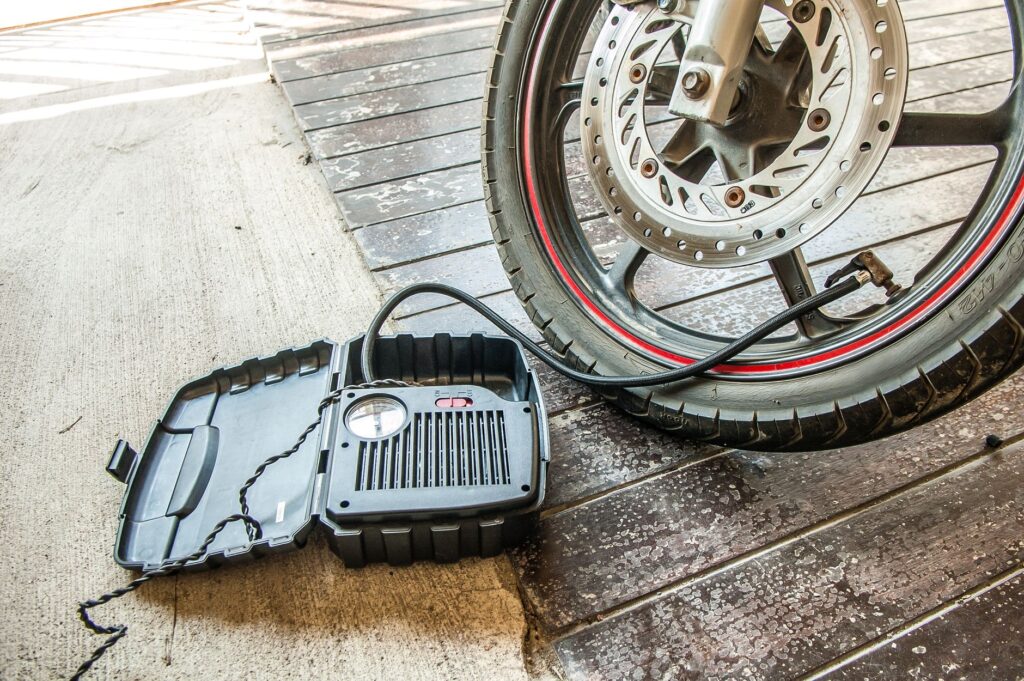
Experiencing a sudden flat tyre while driving far from home can quickly turn an enjoyable road trip into an exhausting ordeal. During such unexpected roadside emergencies, having the right tools on hand makes all the difference. While a spare tyre or a standard roadside assistance plan is standard practice, automotive preparedness has evolved significantly in recent years. Many drivers now rely on compact electronic gear to handle pressure drops before they escalate into major hazards. Among these tools, a compact tyre pump has emerged as an essential piece of equipment for any glove compartment or boot.
However, simply purchasing any random device online will not guarantee peace of mind. The market offers a wide variety of these gadgets, ranging from basic budget models to advanced digital units. Selecting the correct device requires careful evaluation of specific technical capabilities and build qualities. To help drivers make an informed purchasing decision, automotive experts recommend assessing five critical aspects before investing in a mobile pressure device.
Power Source and Battery Capacity
The primary consideration when evaluating any electronic air compressor is how it receives power. Modern portable units generally fall into two categories, namely those that plug directly into the vehicle auxiliary power socket and those that operate on built-in rechargeable batteries. Corded models that connect to the 12V DC socket offer the advantage of unlimited operational time, meaning you never have to worry about a depleted battery cell during a crisis. On the other hand, cordless rechargeable devices provide superior convenience and mobility, allowing users to inflate tyres without being tethered to the car interior.
When opting for a rechargeable lithium-ion battery model, capacity becomes a crucial metric. A higher milliamp-hour rating typically translates to more inflation cycles on a single charge. It is wise to look for units that also support USB Type-C charging, enabling users to power up the device using a standard power bank or a laptop while travelling. Ensuring that the power delivery method aligns with your driving habits will prevent situations where your emergency gear fails due to a lack of juice.
Inflation Speed and Pressure Capabilities
Time is often of the essence when dealing with a deflated tyre on a busy highway or in severe weather conditions. Therefore, the rate at which a device can pump air into a tyre is a vital performance indicator. High-end compressors feature robust internal motors capable of delivering a high volume of air per minute, reducing the waiting time significantly. Reviewing the maximum pressure rating is equally important, especially for drivers of heavier vehicles, SUVs, or trucks that demand higher PSI thresholds compared to compact city cars.
Manufacturers usually specify the time required to pump a standard tyre from empty to a specific pressure level. Reading these specifications helps separate heavy-duty units from slower, entry-level gadgets. A powerful motor ensures that you spend less time stranded on the shoulder of a road and more time safely continuing your journey.
Digital Display and Preset Controls
Manual pressure gauges can be notoriously difficult to read, particularly in low-light environments or during night-time emergencies. Modern compressors mitigate this issue by incorporating bright digital LED screens that display real-time pressure measurements with high accuracy. These illuminated interfaces make it effortless to monitor progress regardless of ambient lighting conditions.
Furthermore, advanced units feature automatic shut-off capabilities and preset pressure controls. Users can simply input the desired PSI level recommended by their vehicle manufacturer, start the device, and let it stop automatically once the target pressure is reached. This automation eliminates the risk of over-inflation, which can be just as dangerous as driving on a low tyre.
Build Quality and Heat Dissipation
Compact air pumps generate a substantial amount of friction and heat during continuous operation. If the outer casing and internal components are constructed from cheap, fragile plastics, the device may suffer from thermal degradation or mechanical failure when pushed to its limits. Evaluating the build quality ensures that your investment can withstand the rigors of frequent travel and extreme weather conditions.
Look for models featuring durable exterior materials, reinforced hose connections, and effective heat dissipation channels. Some premium options even include integrated cooling fans or specialized ventilation slots that prevent overheating during extended use. A sturdy construction guarantees longevity, ensuring the device remains reliable over years of storage in a hot car boot.
Additional Features and Portability
Beyond core inflation capabilities, extra functionalities can greatly enhance the overall utility of a roadside air compressor. Many contemporary models double as multi-purpose emergency tools, integrating bright LED flashlights or emergency strobe lights for enhanced visibility during night repairs. Some units can even function as portable power banks to charge smartphones and other USB-powered gadgets in remote locations.
Portability is another factor that should not be overlooked. The ideal device should be compact and lightweight enough to store effortlessly in a side pocket, glove compartment, or under a seat without taking up excessive space. Storage bags or organized accessory compartments for various nozzle attachments, such as those used for sports balls or bicycle tyres, add valuable convenience for versatile everyday use.
Conclusion
A reliable portable tyre inflator serves as a vital safety net for any motorist embarking on long road trips or daily commutes. By carefully examining power sources, inflation speeds, digital interfaces, build durability, and bonus features, drivers can select a device that offers true reliability when it matters most. Preparing ahead with the right automotive accessories ensures that unexpected mechanical hurdles remain minor inconveniences rather than major safety hazards.