
Nepal Climate Crisis and Global Responsibility
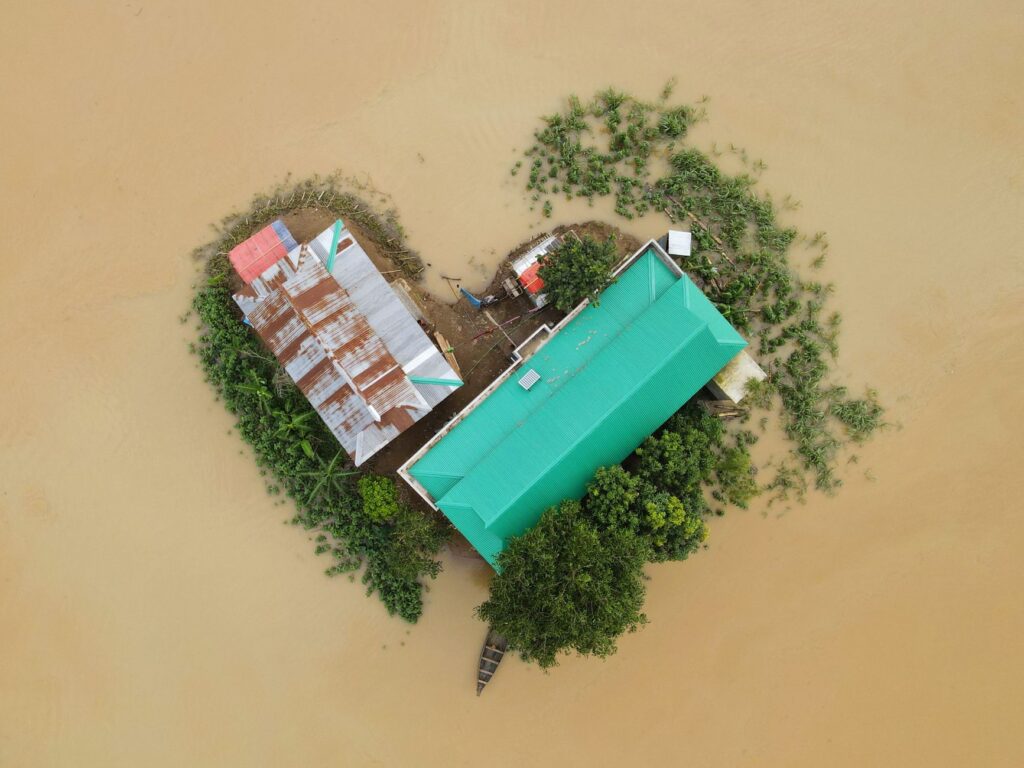
Recent catastrophic flooding events in Nepal have brought the urgent issue of global climate accountability to the forefront of international discussions. As extreme weather patterns intensify across the Himalayan region, high-ranking government officials are shifting the narrative away from traditional humanitarian assistance and toward the concept of structural accountability. Rather than viewing the recurring destruction merely as a natural disaster requiring temporary relief, policymakers are demanding a fundamental reassessment of how major global emitters contribute to the vulnerabilities of developing nations.
The Call for Climate Justice Over Aid
During recent high-level discussions addressing the widespread devastation caused by monsoon floods, Nepalese leadership emphasized that financial aid and relief packages are no longer sufficient responses to the ongoing crisis. Instead, the focus must firmly pivot toward climate justice. Developing nations that contribute minimally to global greenhouse gas emissions are bearing the disproportionate brunt of rising global temperatures and unpredictable weather systems. The core argument rests on the principle that nations with massive carbon footprints hold a moral and financial obligation to support vulnerable countries in mitigating and adapting to environmental hazards.
Shared Responsibility Among Major Powers
The appeal for action specifically targets major global economic and industrial powers, including India, China, and the United States. As dominant contributors to historical and contemporary carbon emissions, these nations possess the resources, technological capabilities, and strategic influence necessary to drive meaningful environmental change. Nepalese authorities point out that localized adaptation strategies are utterly insufficient when confronting transboundary climate impacts. Glacier melt, erratic rainfall, and overflowing river basins do not respect international borders, making regional cooperation and aggressive emission reduction absolute necessities for long-term survival.
Economic and Human Toll on Vulnerable Populations
The human and economic costs of these repeated climate disasters in Nepal continue to escalate at an alarming rate. Infrastructure, agricultural lands, and residential areas are routinely destroyed, displacing thousands of families and undermining decades of developmental progress. Smallholder farmers and rural communities suffer the most significant losses as unpredictable floods wipe out seasonal harvests. Economists warn that without substantial external support tied to climate justice rather than charity, the cycle of destruction will continuously trap the nation in recovery mode, preventing sustainable economic growth.
Moving Forward with International Cooperation
Addressing the escalating crisis in the Himalayas requires a unified global approach that transcends standard diplomatic boundaries. Nepal continues to urge the international community to honor climate finance commitments made at global forums. By holding major economies accountable and fostering collaborative environmental policies, vulnerable nations hope to secure a safer, more resilient future. The message from Kathmandu remains resolute: the time for mere aid has passed, and true global partnership must now deliver genuine environmental justice.