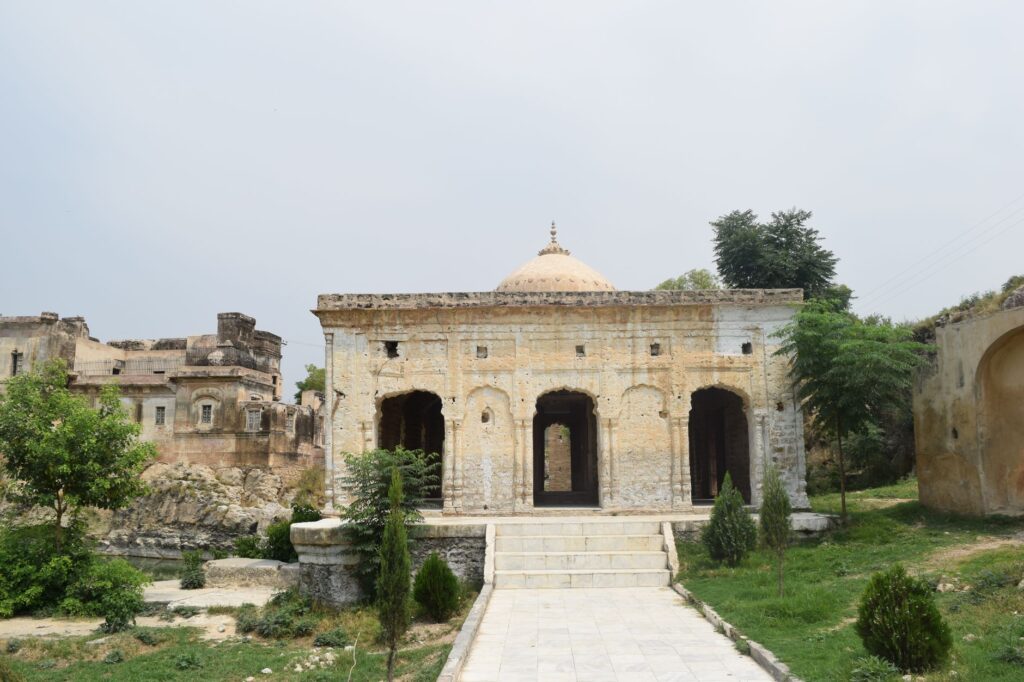

New Delhi has strongly protested the reported demolition of a century-old Hindu temple located in the Narowal district of Pakistan. The Indian government expressed deep concern over the incident, emphasizing the urgent need to protect minority religious sites and cultural heritage across the border.
Background of the Incident
The structure in question is believed to be a historical place of worship serving the local Hindu community for generations. According to recent reports, the temple suffered significant damage and destruction, sparking outrage among various communities and human rights advocates.
Incidents involving the desecration or demolition of minority places of worship often escalate diplomatic tensions between India and Pakistan. The preservation of historical shrines holds immense cultural and emotional value for displaced communities and religious minorities.
Official Indian Response
External affairs ministry spokespersons voiced serious reservations regarding the safety and security of minority populations in neighboring countries. New Delhi called upon Islamabad to uphold its international obligations and domestic laws concerning the protection of religious freedom and historical monuments.
The official statement highlighted that such acts not only erode communal harmony but also inflict irreparable damage on shared cultural heritage. India reiterated its demand for a thorough investigation into the matter and immediate steps to restore any damaged properties.
Protection of Minority Rights
International human rights organizations frequently urge governments in South Asia to improve security measures for vulnerable religious minorities. Temples, churches, and other minority shrines require active state protection to prevent unauthorized encroachment, vandalism, and demolition.
Local authorities in Narowal have faced criticism for failing to safeguard the historical structure. Observers note that administrative apathy often allows illegal land grabs and vandalism to go unchecked, threatening the survival of ancient architectural landmarks.
Diplomatic Implications
The latest development adds to a long list of diplomatic grievances between the two nations regarding minority treatment. Protecting places of worship remains a recurring agenda item in bilateral discussions, though concrete progress has often been slow.
Civil society groups on both sides of the border continue to advocate for greater transparency and accountability. Activists argue that safeguarding heritage sites is essential for fostering mutual respect and long-term peace in the region.
Conclusion
The alleged destruction of the Narowal temple underscores the ongoing challenges faced by religious minorities in Pakistan. As New Delhi continues to pressure Islamabad for accountability, the international community watches closely to see whether meaningful protective measures will be implemented for remaining heritage sites.