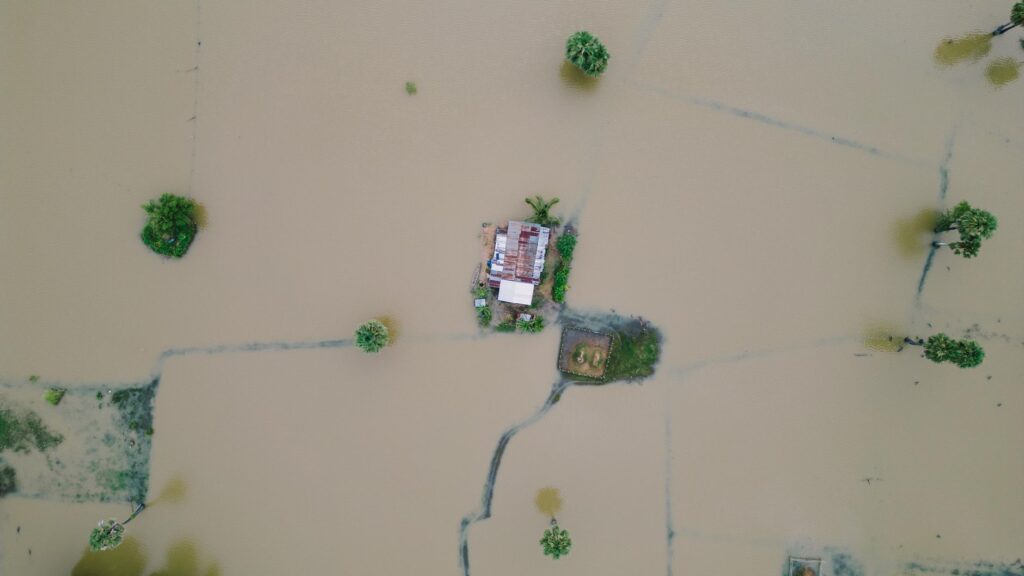

Understanding the Nepal Crisis
Recent catastrophic weather events have devastated communities across Nepal, bringing widespread destruction and immense human suffering. As rescue teams continue their exhaustive search operations, the official death toll from the relentless flooding has now tragically climbed to 1,243 individuals. The scale of the disaster has overwhelmed local infrastructure, leaving thousands displaced and in urgent need of humanitarian assistance, shelter, and medical supplies.
Leadership Response and Global Warming
In the wake of this unprecedented catastrophe, national leadership has openly addressed the root causes of the disaster. Prime Minister Balendra Shah has formally placed the blame for the escalating severity of the floods squarely on global warming. During recent official addresses, the Prime Minister emphasized that shifting global climate patterns are directly responsible for the erratic and extreme monsoon rains that have battered the Himalayan nation.
Scientific Realities in the Himalayan Region
Environmental scientists and meteorologists have long warned about the heightened vulnerability of mountainous regions to climate shifts. Rising global temperatures accelerate glacier melting and disrupt traditional weather cycles, leading to sudden, torrential downpours. These unseasonal and intensely heavy rains saturate the soil beyond its capacity, triggering massive landslides and overwhelming riverbanks across multiple districts in Nepal.
Humanitarian Efforts and Immediate Needs
Government agencies, security personnel, and international aid organizations are currently collaborating to deliver relief to affected areas. However, damaged roads, washed-out bridges, and ongoing adverse weather conditions continue to hamper logistical efforts. Food, clean drinking water, and temporary shelters remain the most critical priorities for the thousands of families who have lost their homes and livelihoods to the raging waters.
Long-Term Strategies for Climate Resilience
As the nation mourns the loss of 1,243 lives, policymakers are shifting their focus toward long-term resilience and disaster preparedness. Experts stress the urgent need for enhanced early warning systems, climate-resilient infrastructure construction, and stricter zoning laws in flood-prone valleys. Without substantial international support and immediate global action to curb greenhouse gas emissions, communities in the region will remain highly exposed to recurring climate-induced disasters.