



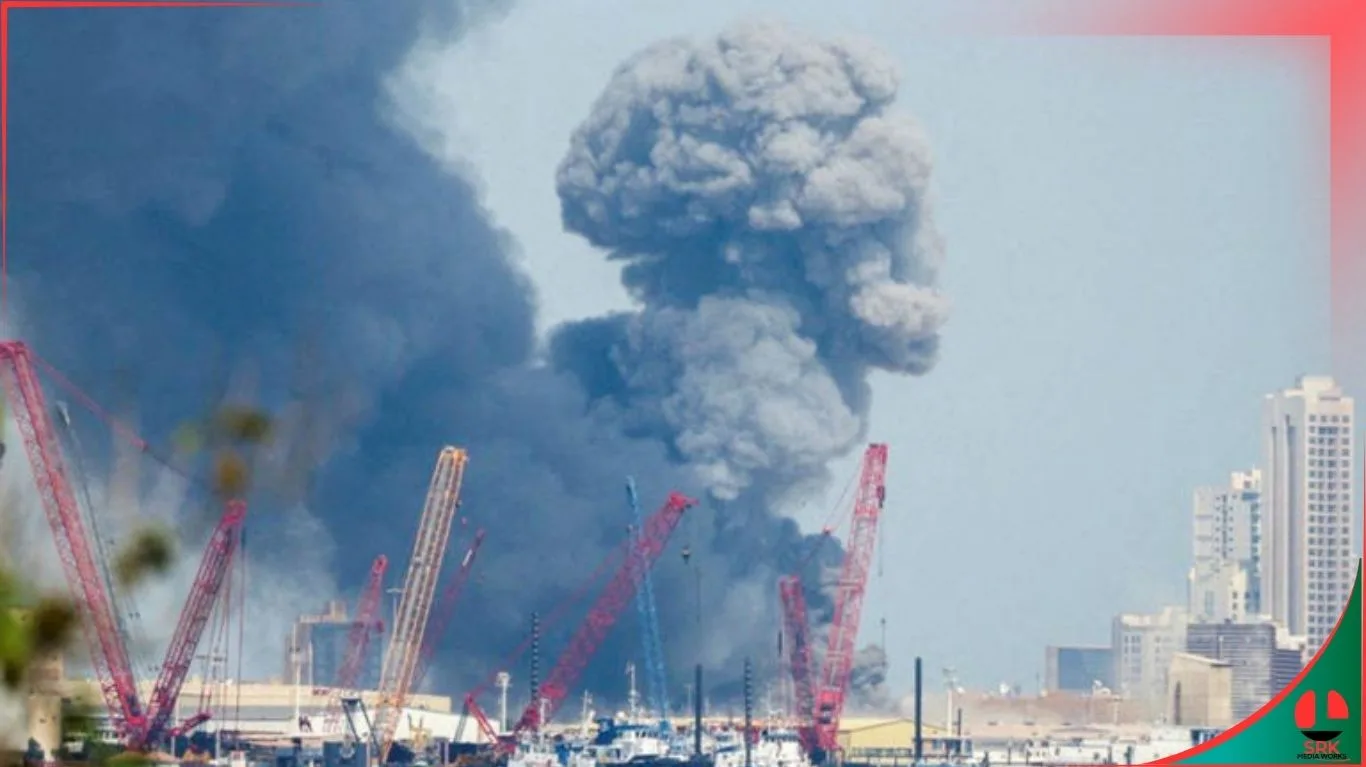
The United Kingdom has confirmed that its forces successfully intercepted an Iranian missile during the latest escalation in the Gulf region, with British troops narrowly escaping disaster as the weapon landed just 200 meters away from their position. The incident underscores the growing risks faced by Western forces deployed in the Middle East amid intensifying clashes between Iran, the United States, and Israel.
Details of the Incident
- Missile Interception: UK forces deployed advanced air defense systems to shoot down the incoming missile.
- Troop Safety: Despite the interception, debris from the missile fell dangerously close to British troops stationed in the area.
- Immediate Response: Emergency protocols were activated, with troops relocated to secure zones.
UK Government’s Statement
Officials in London described the incident as a “serious escalation”, reaffirming Britain’s commitment to protecting its forces and allies. The Ministry of Defence emphasized:
- Readiness: UK forces remain on high alert in the Gulf.
- Alliance Coordination: Britain is working closely with US and NATO partners to monitor Iranian activity.
- Deterrence: The UK warned Iran against further provocations that endanger international security.
Comparative Analysis of Military Deployments
| Country | Deployment in Gulf | Recent Incidents | Strategic Role |
|---|---|---|---|
| United Kingdom | Naval and ground forces | Missile debris near troops | Protect allies, secure trade routes |
| United States | Large-scale bases | Direct Iranian strikes | Lead coalition operations |
| France | Limited naval presence | No direct incidents | Support NATO missions |
| Iran | Regional missile units | Launches against US, Israel, Gulf states | Assert regional dominance |
Implications of the Incident
- Troop Safety Concerns: The proximity of the missile debris highlights the vulnerability of forces in the region.
- Escalation Risks: Direct targeting of Western troops could trigger broader military responses.
- Energy Security: The Gulf remains critical for global oil supplies, making stability essential.
- Diplomatic Fallout: The UK may push for stronger international condemnation of Iran at the UN Security Council.
Public and Global Reaction
- UK Citizens: Concerns grew over the safety of British troops abroad.
- Global Markets: Oil prices spiked amid fears of further escalation.
- International Allies: NATO members expressed solidarity with the UK, calling for restraint.
Lessons from the Incident
- Preparedness: Advanced defense systems are vital for troop protection.
- Coordination: Multinational cooperation enhances security in volatile regions.
- Diplomacy: Military incidents must be balanced with diplomatic efforts to prevent war.
- Civilian Protection: Ensuring that military actions do not endanger nearby populations is crucial.
Conclusion
The UK’s interception of an Iranian missile, which landed dangerously close to its troops, marks a significant escalation in the Gulf crisis. While Britain reaffirmed its commitment to protecting forces and allies, the incident highlights the fragility of regional stability and the risks of direct confrontation. As tensions rise, the world watches closely to see whether diplomacy or further military action will define the next phase of this conflict.
Disclaimer
This article is based on publicly available information and aims to highlight the UK’s interception of an Iranian missile and the implications for regional security. It does not intend to criticize or promote any individual, country, or organization. The content is for informational and educational purposes only, reflecting broader issues in military strategy, diplomacy, and global security.