


Military Intervention Approved
The Bolivian government formally authorized the deployment of military forces to support police efforts in managing a wave of nationwide protests that have paralyzed major transit routes and urban centers this week. The decree, signed by executive officials in La Paz, grants the armed forces the authority to intervene in maintaining public order, citing the need to safeguard essential supplies and prevent the total blockade of the nation’s supply chain.
Context of the Unrest
Bolivia has been grappling with a complex convergence of economic instability and political friction for several months. The current mobilization, led largely by transport unions, agricultural collectives, and opposition factions, centers on grievances regarding fuel shortages, rising inflation, and disputes over the administration’s economic policies.
These protests have manifested primarily as ‘bloqueos’—strategic road closures that prevent the movement of goods between the country’s agricultural heartland and its administrative centers. Historically, these blockades serve as the primary leverage for labor groups in Bolivia, often resulting in significant economic losses for the landlocked nation.
Dynamics of the Conflict
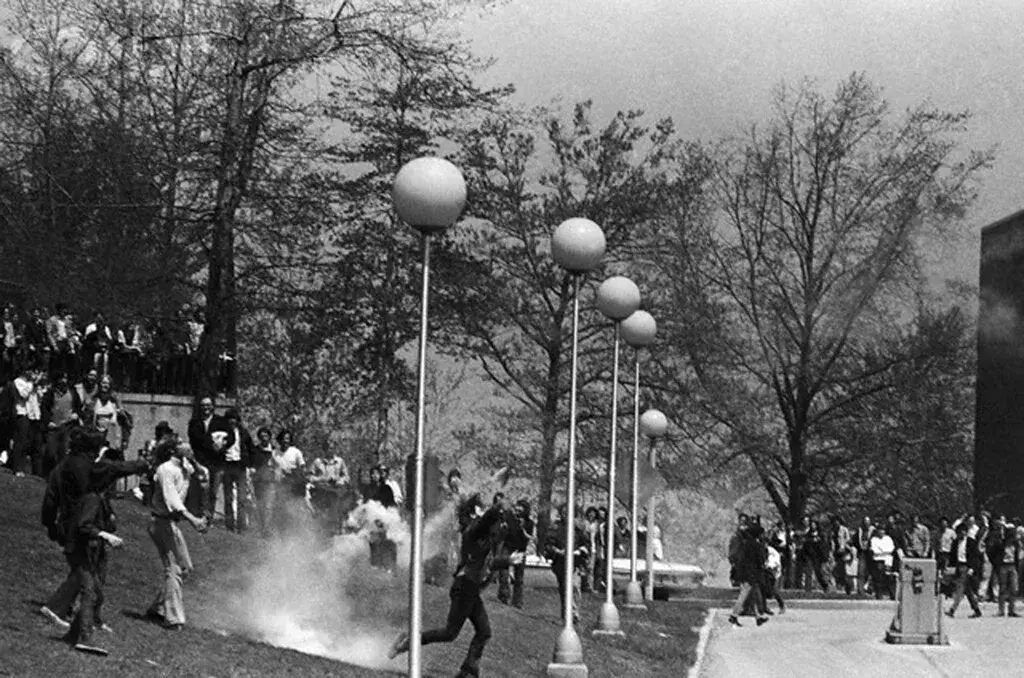
The decision to involve the military marks a significant escalation in the government’s response strategy. While police forces have attempted to clear arterial roads using tear gas and crowd-control tactics, the sheer scale of the blockades has overwhelmed local law enforcement in several departments, including Cochabamba and Santa Cruz.
Government spokespeople argue that the military presence is necessary to ensure the delivery of oxygen, medical supplies, and food to vulnerable populations. Conversely, protest leaders describe the move as an act of intimidation aimed at suppressing legitimate democratic dissent and ignoring the underlying economic crisis that has devalued the local currency.
Expert Perspectives
Political analysts note that the government is walking a fine line between maintaining state authority and risking a broader humanitarian crisis. According to data from the Bolivian Institute of Foreign Trade (IBCE), prolonged blockades cost the national economy approximately $120 million per day in lost exports and logistical disruptions.
“The deployment of the military represents a high-stakes gamble for the administration,” said Dr. Elena Rodriguez, a regional security consultant. “While it may clear the roads in the short term, it risks hardening the resolve of the protestors and could lead to violent confrontations that further destabilize the current political climate.”
Implications for the Future
For the average citizen, this development signals an period of heightened uncertainty and potential volatility. Supply chain disruptions are expected to continue, likely leading to further price hikes for basic consumer goods and fuel at the pump.
Observers are now watching for the reaction of international human rights monitors, who have expressed concern regarding the potential for excessive force. The coming days will be critical, as the government faces pressure to balance fiscal responsibility with the need for social peace. Markets will be monitoring whether the military intervention succeeds in restoring supply lines or if it serves as a catalyst for a more widespread social uprising.