







A Collaborative Restoration Effort
Volunteers from the Indian National Trust for Art and Cultural Heritage (INTACH) and the Pyass Foundation officially launched a restoration project this week to revive an abandoned, centuries-old stepwell in the village of Mutga, located in the Belagavi district of Karnataka. The initiative, which began on Monday, aims to clear decades of accumulated silt and debris to restore the structure’s functionality as a sustainable water source for the local community.
The stepwell, locally known as a ‘kalyani,’ has fallen into disrepair over the last several decades due to neglect and the advent of modern piped water systems. Once a vital hub for communal life and agricultural irrigation, the site had become a dumping ground, obscuring its architectural significance and rendering its water inaccessible.
Historical Significance of Stepwell Architecture
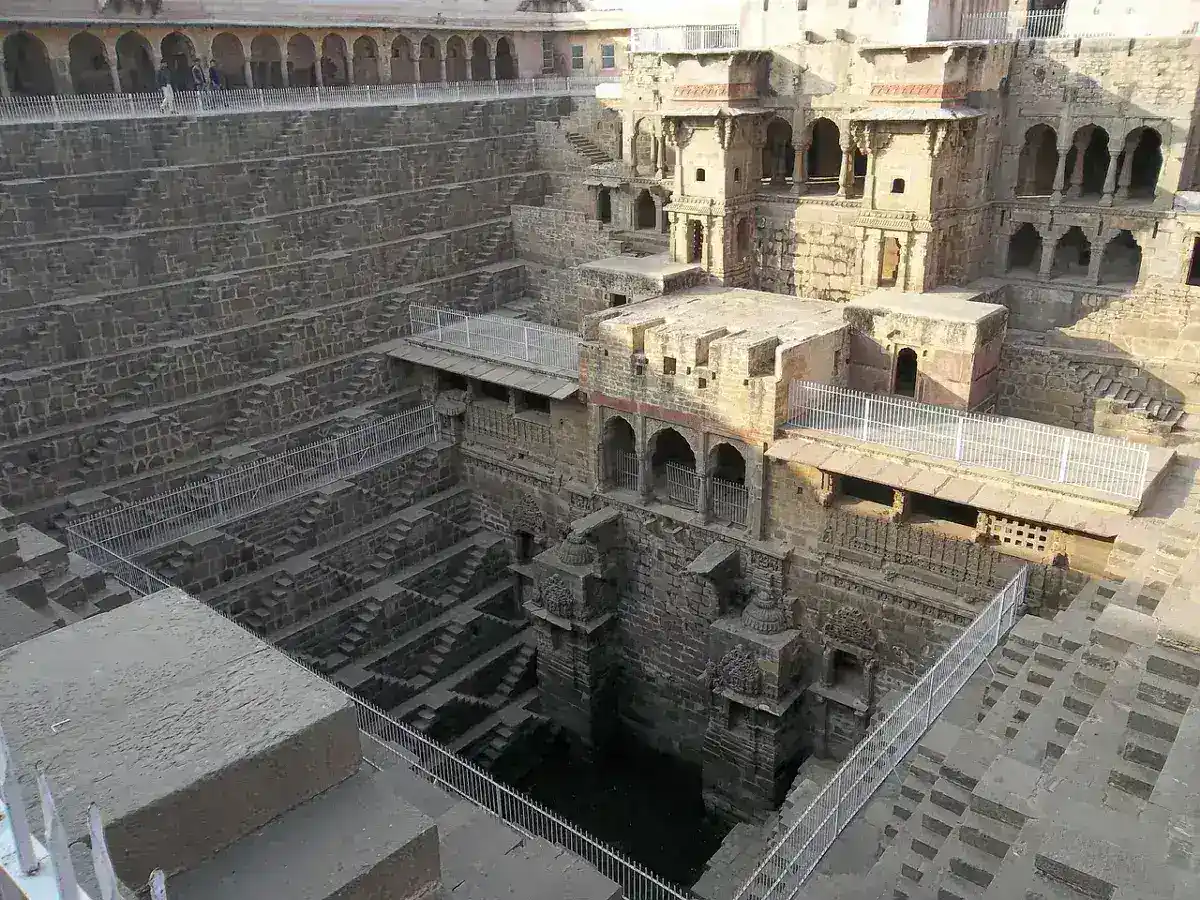
Stepwells are architectural marvels unique to the Indian subcontinent, designed to reach deep groundwater levels while providing a cool, shaded environment. These structures often feature intricate stone carvings and multi-tiered staircases that allowed villagers to access water regardless of seasonal fluctuations in the water table.
According to heritage conservationists, many of these structures across Karnataka were abandoned during the mid-20th century as borewells and municipal water infrastructure expanded. However, climate change and declining groundwater levels have prompted a renewed interest in these traditional water-harvesting systems as a solution to modern water scarcity.
Operational Challenges and Community Engagement
The restoration process is labor-intensive, requiring specialized teams to carefully remove debris without compromising the structural integrity of the ancient stonework. The Pyass Foundation has organized local volunteers to assist in the manual cleanup, fostering a sense of community ownership over the site.
Data from the Ministry of Jal Shakti suggests that reviving traditional water bodies like stepwells can significantly improve local groundwater recharge rates. By clearing out the accumulated silt, the project intends to allow rainwater to permeate the soil more effectively, potentially raising the water table in the surrounding agricultural land.
Broader Implications for Water Sustainability
The Mutga project serves as a pilot model for other rural districts facing similar water crises. For the residents of Mutga, the successful restoration of the stepwell could mean a reliable secondary source of water for livestock and irrigation, reducing their dependence on increasingly expensive deep-bore pumping methods.
Industry experts suggest that the integration of traditional knowledge with modern engineering is essential for long-term water resilience in India. If the Mutga restoration proves effective in improving water quality and volume, it may encourage state authorities to allocate more funding for the preservation of similar heritage sites across the Belagavi region.
Moving forward, observers will be watching to see if the restoration includes the installation of filtration systems or ongoing maintenance protocols to prevent the site from returning to a state of neglect. Future efforts will likely focus on creating a legal framework to protect these revitalized water bodies from urban encroachment and pollution.