








A catastrophic gas explosion leveled a residential apartment complex in Dallas, Texas, on Thursday, resulting in the deaths of three individuals and leaving four others hospitalized with injuries. Dallas Fire and Rescue officials confirmed that the bodies of two adult women and one child were recovered from the debris following the massive structural collapse and subsequent fire.
The Incident and Emergency Response
The explosion occurred during the morning hours, triggering a multi-alarm fire that necessitated a massive emergency response. Nearly 100 firefighters were deployed to the scene to combat the blaze, which sent plumes of thick black smoke across the metropolitan skyline.
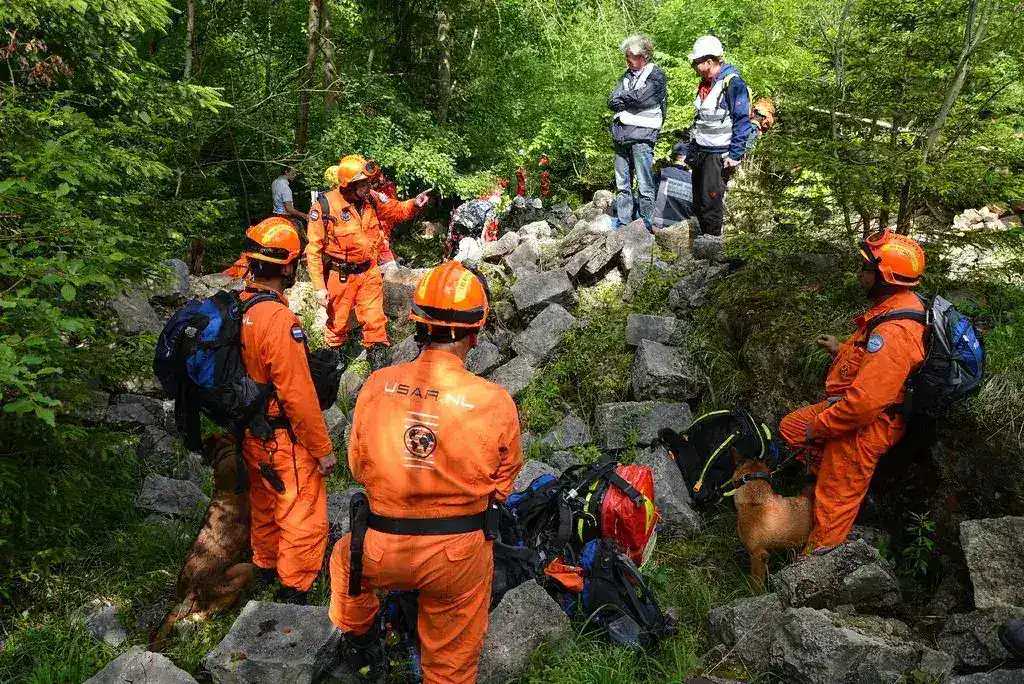
First responders faced significant challenges as they navigated the unstable rubble of the collapsed building. While four survivors were successfully transported to local hospitals for medical treatment, the severity of the structural failure hampered initial search and rescue operations.
Context of Urban Gas Safety
Gas-related residential incidents remain a persistent concern for urban infrastructure managers across the United States. According to data from the National Fire Protection Association (NFPA), structure fires caused by natural gas or liquefied petroleum gas result in hundreds of injuries annually, often stemming from aging piping systems or accidental damage to subterranean lines.
The Dallas complex, like many older multi-family residential units, was subject to local building codes intended to mitigate risks associated with pressurized gas lines. Investigators are currently working to determine the exact point of origin for the leak that preceded the explosion.
Investigative Procedures and Safety Protocols
The Dallas Fire-Rescue Department, in coordination with local law enforcement and utility companies, has initiated a formal investigation into the cause of the blast. Teams are currently inspecting the integrity of adjacent structures to ensure that no secondary gas leaks or structural vulnerabilities pose a threat to the surrounding neighborhood.
Utility providers often emphasize the importance of reporting the distinct odor of sulfur or rotten eggs—a chemical additive known as mercaptan—immediately. However, sudden, high-pressure ruptures can sometimes bypass detection systems before ignition occurs.
Future Implications for Urban Housing
This tragedy highlights the ongoing challenges of maintaining safety standards in aging residential infrastructure. Industry analysts suggest that municipalities may soon face increased pressure to implement more rigorous, recurring inspections of gas distribution systems within high-density housing developments.
Residents and property managers should monitor forthcoming reports from the National Transportation Safety Board (NTSB) or local fire marshals, as findings from this investigation may lead to updated safety ordinances. Moving forward, the focus will likely shift toward the integration of advanced automatic gas shut-off technology in multi-family dwellings to prevent similar large-scale disasters.