









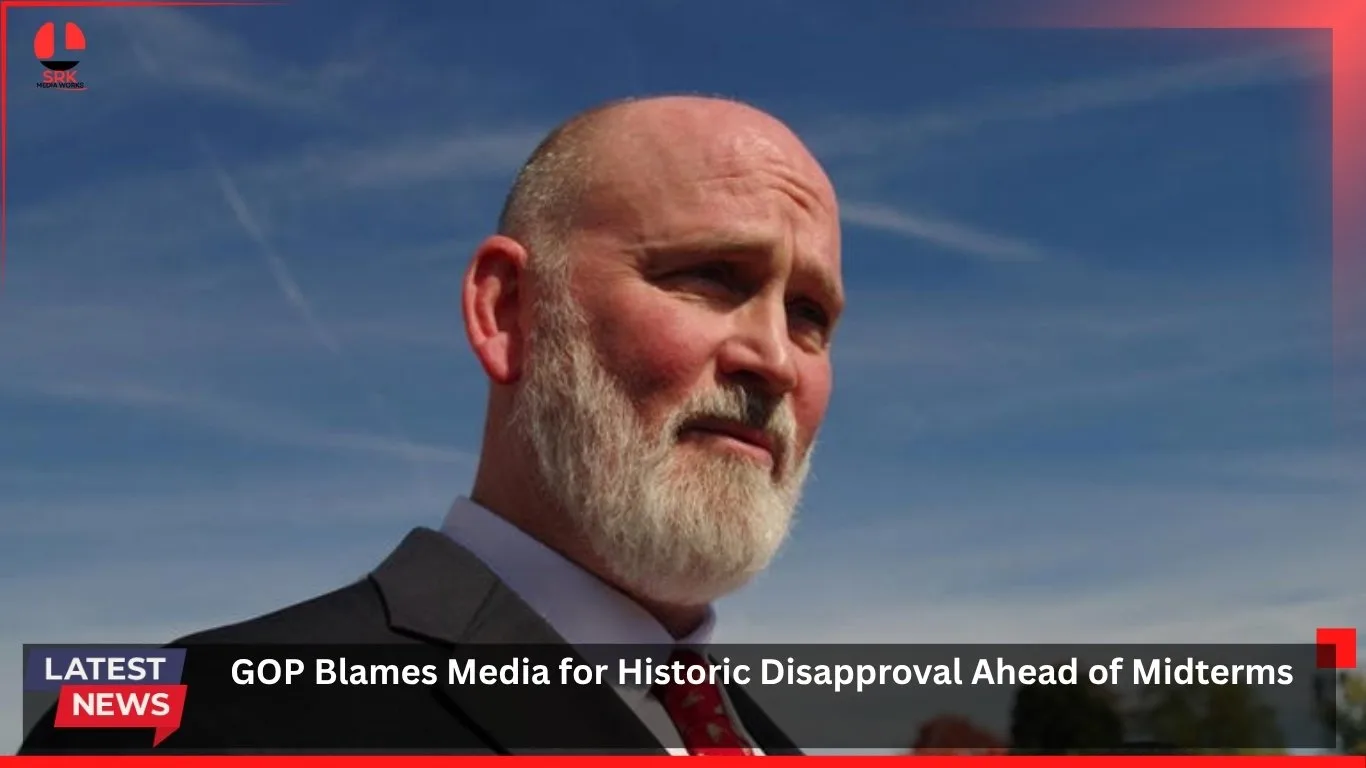
As the midterm elections approach, the Republican Party (GOP) is facing historically high disapproval ratings, with party leaders and strategists increasingly blaming the media for shaping negative public perceptions. The narrative of media bias has become central to GOP messaging, as officials argue that coverage of policy decisions, internal divisions, and controversies has amplified voter dissatisfaction.
GOP’s Media Criticism
Republican leaders have accused mainstream media outlets of unfairly targeting the party, claiming that coverage has focused disproportionately on scandals and internal disputes rather than policy achievements.
- Bias Allegations: GOP officials argue that media narratives are designed to weaken conservative positions.
- Election Strategy: Party leaders are using media criticism to rally their base, portraying themselves as victims of unfair coverage.
- Public Messaging: The GOP insists that its policies on the economy, security, and governance are overshadowed by negative headlines.
Disapproval Ratings
Recent polls show GOP disapproval ratings at historic levels, raising concerns about the party’s prospects in the upcoming midterms.
| Polling Agency | GOP Approval | GOP Disapproval | Key Takeaway |
|---|---|---|---|
| Agency A | 38% | 57% | Majority disapprove of GOP leadership |
| Agency B | 40% | 55% | Disapproval highest among independents |
| Agency C | 36% | 60% | Historic low approval rating |
The data reflects widespread dissatisfaction, particularly among swing voters and independents, who could play a decisive role in the midterms.
Expert Opinions
- Political Analysts: “Blaming the media may energize the GOP base, but it risks alienating moderates.”
- Media Scholars: “Accusations of bias are not new, but they often serve as a political strategy.”
- Election Observers: “Historic disapproval ratings suggest the GOP faces an uphill battle.”
Historical Context of Media Criticism
| Year | Party | Media Criticism | Outcome |
|---|---|---|---|
| 1960s | Democrats | Claimed unfair coverage of Vietnam War | Public opinion shifted |
| 1990s | Republicans | Criticized coverage of impeachment | Mixed electoral results |
| 2016 | GOP | Trump accused media of bias | Energized conservative base |
| 2026 | GOP | Blames media for disapproval | Midterm prospects uncertain |
This timeline shows that media criticism has long been a political tool, often used to mobilize supporters during times of low approval.
GOP’s Election Strategy
Despite high disapproval ratings, the GOP is focusing on several strategies:
- Media Attacks: Positioning themselves as victims of biased coverage.
- Policy Messaging: Highlighting achievements in economic growth and national security.
- Base Mobilization: Encouraging turnout among loyal supporters.
- Counter-Narratives: Using conservative media outlets to reshape public perception.
Challenges Ahead
The GOP faces significant challenges as midterms near:
- Independent Voters: Disapproval among independents could swing key races.
- Internal Divisions: Party infighting weakens unified messaging.
- Media Landscape: Negative coverage continues to dominate headlines.
Conclusion
With historic disapproval ratings looming over the GOP ahead of the midterms, party leaders are intensifying their attacks on the media, framing coverage as biased and unfair. While this strategy may energize the conservative base, experts warn that it risks alienating moderates and independents. The outcome of the midterms will reveal whether the GOP’s media-focused narrative can overcome widespread voter dissatisfaction.
Disclaimer
This article is based on publicly available polling data, political commentary, and analysis regarding GOP disapproval ratings and media criticism ahead of the midterms. It is intended for informational purposes only and does not represent official party statements or election forecasts. Readers should rely on certified election results for verified outcomes.