








The Impending Conflict
Houseboat owners in Srinagar, Kashmir, are voicing significant opposition this month to the government’s ambitious proposal to introduce modern water transport services along the Jhelum River. Representing a historic community that has anchored the river’s culture for generations, these stakeholders argue that the introduction of high-speed vessels and dredging activities threatens to destroy the fragile ecological balance and architectural integrity of their floating homes.
Contextualizing the River’s Legacy
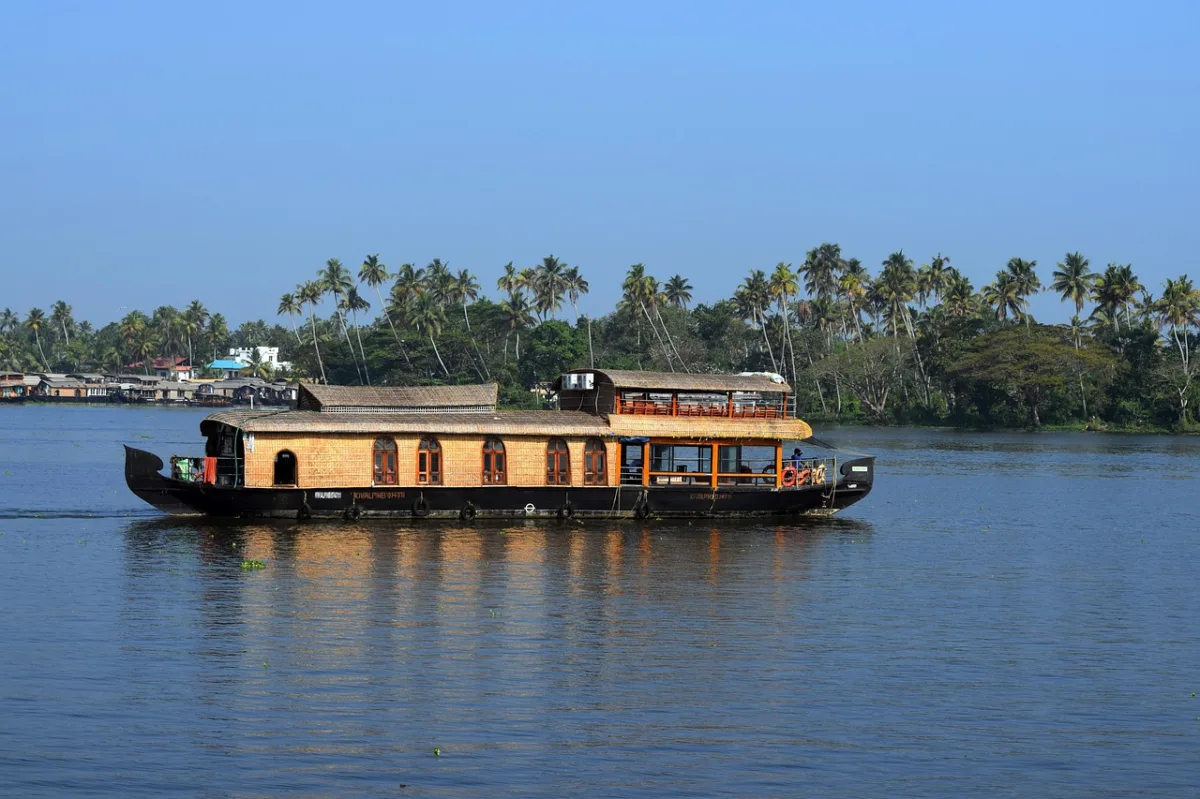
The Jhelum River has long served as the lifeblood of Srinagar, with the iconic wooden houseboats acting as both architectural marvels and vital tourism assets. These structures, often centuries old, rely on stable water levels and calm currents to maintain their buoyancy and structural safety. For decades, the river has functioned as a tranquil corridor, but local authorities now view the waterway as an underutilized transit artery capable of easing the city’s heavy road congestion.
The Mechanics of the Dispute
The government’s plan involves deploying a fleet of modern, motorized water taxis to commute passengers across various points in the city. Houseboat owners contend that the wake generated by these vessels will cause significant erosion to the riverbanks where their boats are moored. Furthermore, the noise pollution and potential for oil leakage pose an existential threat to the river’s aquatic life and the aesthetic appeal that draws international tourists to the region.
Expert Perspectives and Data
Urban planners and environmentalists have highlighted the tension between modernization and preservation. According to a recent report by the Kashmir Environmental Protection Agency, the Jhelum’s depth has fluctuated significantly due to unplanned urban runoff, making the riverbed increasingly sensitive to heavy marine traffic. Architectural historian Dr. Arshad Qadri notes that the vibrations from motorized engines could compromise the structural joints of the traditional cedar-wood houseboats, which are not designed to withstand constant rhythmic water displacement.
Industry and Community Implications
For the thousands of families whose livelihoods are tied to the houseboat industry, this development represents an uncertain future. If the project proceeds without mitigation strategies, owners fear a decline in property value and a loss of the unique, serene atmosphere that defines the Srinagar experience. Conversely, the local administration maintains that water transport is a necessary intervention to reduce the city’s carbon footprint and provide a viable alternative to the gridlocked streets of the Kashmiri capital.
Looking Ahead
As the administration prepares to pilot the first phase of the water transport scheme, the focus remains on whether a compromise can be reached. Observers should watch for upcoming public hearings between the houseboat association and the Srinagar Municipal Corporation to see if speed restrictions or designated ‘no-wake’ zones are implemented. The outcome of these negotiations will likely set a precedent for how the region balances the demands of modern infrastructure with the protection of its living, floating heritage.