




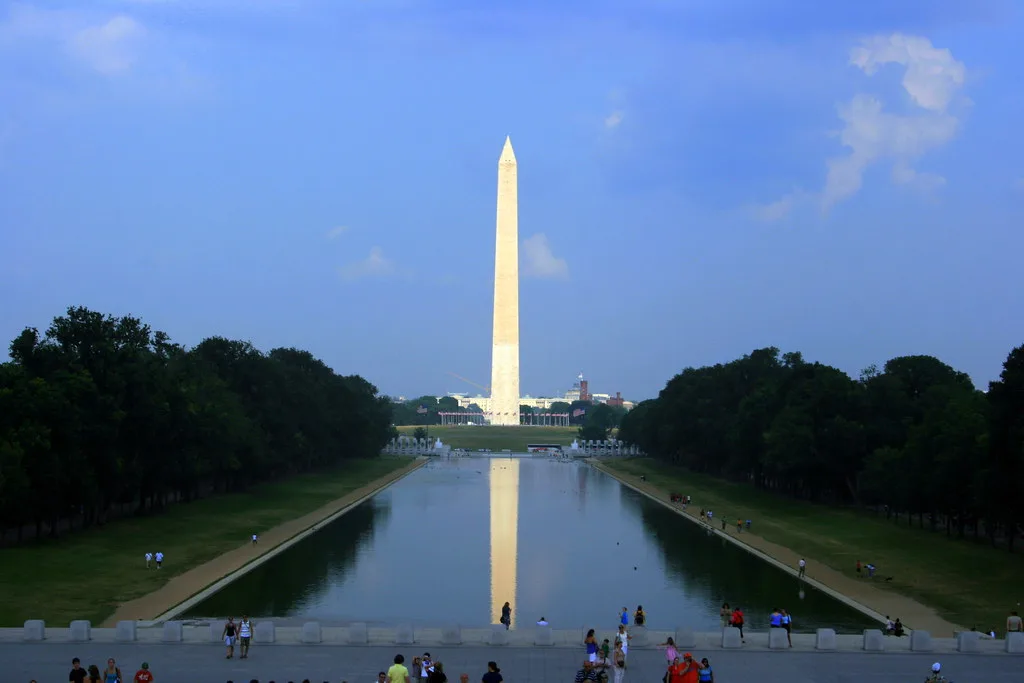
The iconic Lincoln Memorial Reflecting Pool in Washington, D.C., has officially been refilled with water this week, marking the conclusion of a high-profile renovation project initiated by the Trump administration. The restoration effort, which required the temporary drainage of the massive basin, was undertaken to address structural maintenance and aesthetic improvements to the historic site. Visitors to the National Mall can once again view the monument’s reflection in the clear waters, signaling the return of one of the capital’s most visited landmarks to its intended state.
Context of the National Mall Renovations
The Reflecting Pool, which stretches nearly 2,000 feet from the Lincoln Memorial to the World War II Memorial, serves as a centerpiece of the National Mall. Maintenance of the pool is a recurring necessity due to the aging infrastructure of the basin, which was last subjected to a major overhaul in 2012 to address leaks and water quality issues. The recent project focused on surface treatments and structural upkeep deemed necessary by the National Park Service to preserve the integrity of the site for future generations.
Details of the Refilling Process
Engineers and park management teams coordinated the refilling process over several days to ensure the basin’s filtration systems were operating correctly. The process involves circulating millions of gallons of water, a task that requires precise calibration to maintain the clarity and safety of the environment. According to National Park Service guidelines, the pool requires regular monitoring to prevent algae growth and to manage the delicate ecosystem that surrounds the monument.
Expert Perspectives on Monument Preservation
Architectural historians note that the maintenance of federal monuments is a constant balancing act between preservation and public utility. Dr. Elena Vance, a specialist in urban planning and historic preservation, stated that the periodic draining of the pool is a vital part of protecting the stone foundations from erosion. “The environmental stresses on the Lincoln Memorial site are significant, and proactive maintenance is the only way to avoid catastrophic damage to the basin’s liner,” Vance noted.
Data from the Department of the Interior indicates that the National Mall attracts over 24 million visitors annually, placing immense strain on the park’s physical infrastructure. The cost and duration of such renovations are often scrutinized by budget oversight committees, yet officials maintain that the economic impact of tourism justifies the investment in site upkeep.
Future Implications for the National Mall
The restoration of the Reflecting Pool serves as a broader indicator of the ongoing efforts to modernize Washington’s historical sites while maintaining their original aesthetic. As the National Park Service prepares for upcoming bicentennial celebrations across the capital, industry analysts expect to see an increase in similar infrastructure projects. Stakeholders will be watching closely to see how the government balances the need for modern, sustainable water management systems with the strict preservation requirements of the National Register of Historic Places.