





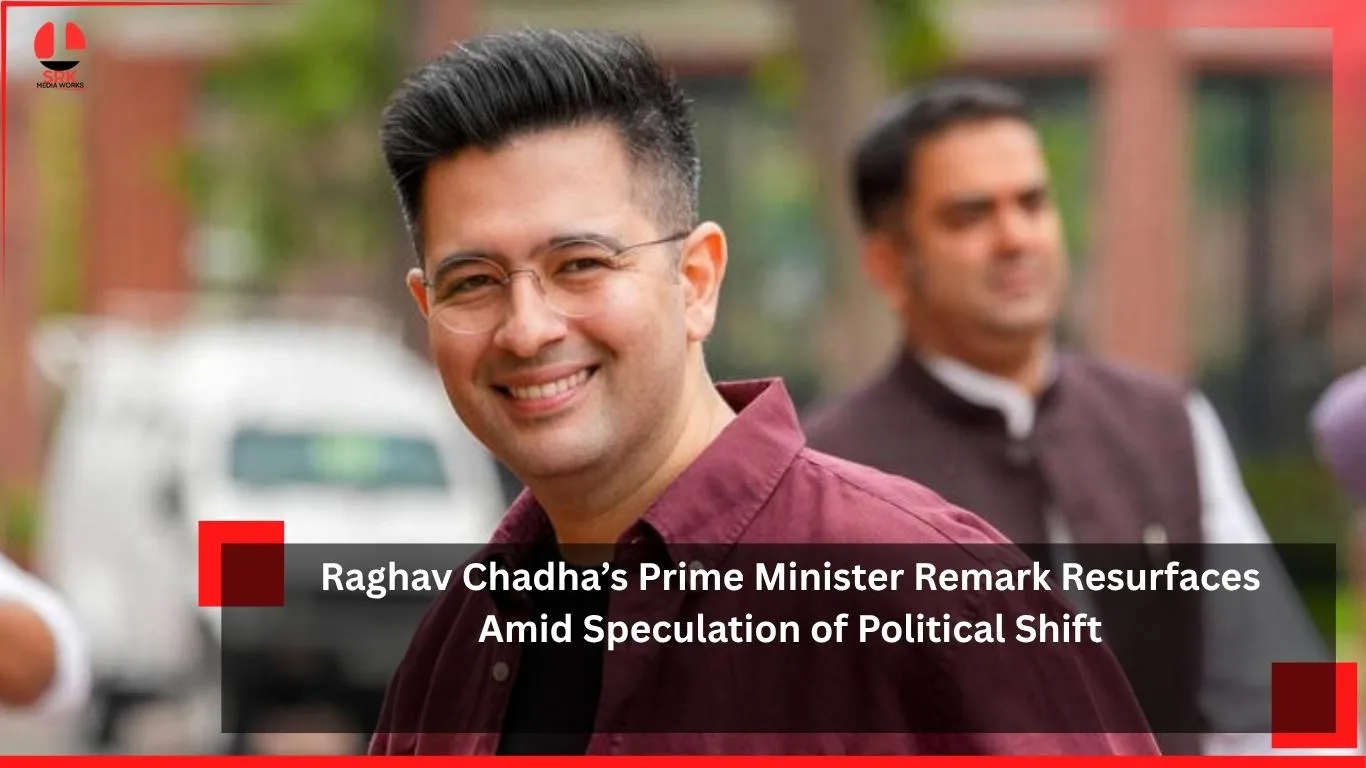
Indian politics has once again been stirred by a resurfaced remark from Aam Aadmi Party (AAP) leader Raghav Chadha, who once jokingly said, “I’ll become Prime Minister one day.” The comment, originally made in a lighter context, has re-emerged at a time when speculation is rife about Chadha’s possible departure from AAP to join the Bharatiya Janata Party (BJP). This development has sparked debates across political circles, media platforms, and among the public, raising questions about Chadha’s future trajectory and the broader implications for Indian politics.
The Joke That Became a Talking Point
Raghav Chadha’s remark about becoming Prime Minister was initially dismissed as humor. However, in the current political climate, where rumors of his exit from AAP are gaining traction, the statement has taken on new significance. Political observers argue that such comments, even when made in jest, often reflect underlying ambition.
Why the Speculation About Joining BJP?
Several factors have fueled speculation about Chadha’s potential move to BJP:
- Internal Party Dynamics: Reports suggest growing differences within AAP leadership.
- Political Opportunity: BJP’s dominance at the national level could offer Chadha a larger platform.
- Career Strategy: Aligning with BJP may provide Chadha with greater visibility and influence.
Comparative Table: Raghav Chadha’s Political Journey
| Year | Position Held | Party | Key Highlights |
|---|---|---|---|
| 2013 | Campaign Strategist | AAP | Helped design election strategies |
| 2019 | Member of Parliament (Rajya Sabha) | AAP | Represented Punjab |
| 2024 | Prominent Spokesperson | AAP | Known for sharp debates |
| 2026 | Speculated Move | BJP? | Rumors of shift intensify |
Pivot Analysis: Possible Scenarios for Chadha’s Future
| Scenario | Benefits | Risks |
|---|---|---|
| Staying in AAP | Retains loyal base, continues reformist image | Limited national reach |
| Joining BJP | Greater visibility, national platform | Criticism of opportunism |
| Independent Path | Builds unique identity | Resource challenges |
| Coalition Politics | Flexibility, wider alliances | Uncertain stability |
Public and Media Reactions
- AAP Supporters: Some feel betrayed by the rumors, while others dismiss them as speculation.
- BJP Circles: Welcoming tone, seeing Chadha as a young, articulate leader who could strengthen the party’s urban appeal.
- Media: Highlighting the resurfaced “Prime Minister” remark as symbolic of Chadha’s ambitions.
- Public Sentiment: Divided, with younger voters intrigued by his potential rise and critics questioning his consistency.
Broader Implications for Indian Politics
- Youth Leadership: Chadha represents a new generation of politicians, and his moves could inspire similar shifts.
- Party Realignments: If he joins BJP, it could trigger further defections from AAP.
- National Ambitions: His “Prime Minister” remark underscores the aspirations of regional leaders to play on the national stage.
- Electoral Strategy: BJP could leverage Chadha’s urban appeal in upcoming elections.
Expert Opinions
Political analysts suggest that Chadha’s humor-laced remark may have been underestimated. In politics, even jokes can carry weight, especially when aligned with ambition. Some experts argue that if Chadha does join BJP, his earlier statement could be seen as foreshadowing his long-term goals. Others caution that switching parties could damage his credibility among loyal supporters.
Conclusion
Raghav Chadha’s resurfaced “I’ll become Prime Minister one day” remark has reignited discussions about his political ambitions. With speculation mounting about his possible move from AAP to BJP, the statement has become more than just a joke—it is now a lens through which his future is being analyzed. Whether he stays with AAP, joins BJP, or charts an independent course, Chadha’s decisions will likely influence the evolving landscape of Indian politics.
Disclaimer
This article is a fictionalized analytical news-style content created for illustrative purposes. It does not represent verified events or official reports. Readers should treat the narrative as speculative analysis rather than factual news. The purpose is to explore political scenarios and their implications in a journalistic format.