









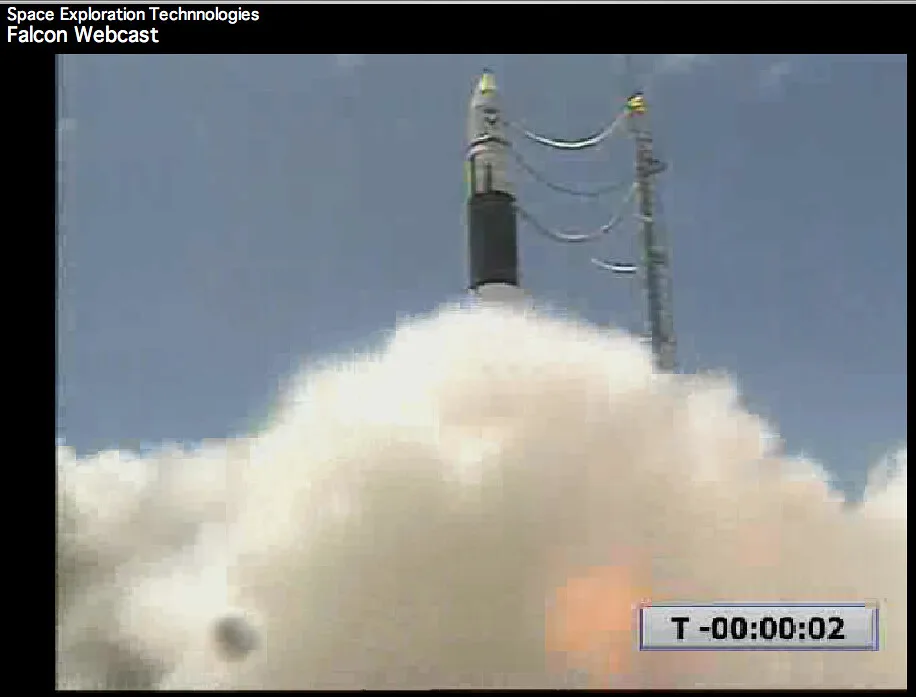
SpaceX officially entered the public markets on Friday morning, marking the largest initial public offering (IPO) in Wall Street history. Led by founder Elon Musk, the aerospace giant began trading on the New York Stock Exchange, shattering previous valuation records for a debutante company and signaling a transformative shift in the commercial space sector.
A New Era for Space Exploration
The transition from a private entity to a publicly traded corporation comes after years of speculation regarding the company’s financial structure. SpaceX, which has dominated the launch services market with its Falcon 9 rocket and the Starlink satellite constellation, has long been viewed as the crown jewel of Musk’s business empire.
By opting to go public, SpaceX is opening its books to institutional investors and the general public. This move provides the company with significant capital to accelerate its ambitious Mars colonization plans and the rapid development of the Starship launch vehicle.
Market Valuation and Financial Context
Analysts note that the valuation of SpaceX at the time of its IPO dwarfs that of traditional aerospace incumbents. The company’s unique position in both orbital logistics and global telecommunications through Starlink has created a financial profile that is difficult to compare with legacy contractors.
Data from market analysts suggests that the demand for shares has been unprecedented. Investors are betting on the long-term viability of the space economy, which Morgan Stanley estimates could reach $1 trillion in value by 2040.
Operational Impacts and Industry Shifts
The IPO brings immediate scrutiny to SpaceX’s operational costs and launch cadence. While the company has successfully reduced the cost of access to orbit through its reusable rocket technology, shareholders will now demand consistent profitability and transparency regarding long-term R&D investments.
Competitors in the private space sector, including Blue Origin and Rocket Lab, are closely monitoring the market reception of SpaceX. The IPO serves as a benchmark for the entire industry, potentially paving the way for other space-focused firms to pursue similar capital-raising strategies.
Regulatory and Strategic Implications
For investors, the primary implication is the newfound access to a company that was previously restricted to private equity and venture capital firms. This democratization of investment could lead to a surge in retail interest, though it also introduces volatility associated with public market cycles.
Looking ahead, market observers are watching for the company’s first quarterly earnings report, which will offer the first public glimpse into the revenue generation of the Starlink network. Industry experts suggest that the company’s ability to scale its satellite internet service will be the primary driver of its stock performance in the coming fiscal year. The market will also track the success of upcoming Starship flight tests, as these milestones remain critical to the company’s long-term valuation targets.