


Judicial Delays Reach Breaking Point
The Supreme Court of India expressed profound shock this week after discovering that the Allahabad High Court took forty years to decide on a criminal appeal involving a murder conviction. The apex court bench, led by Justice Abhay S. Oka and Justice Augustine George Masih, questioned the systemic failures that allowed a single case to languish in the judicial pipeline for four decades, effectively denying timely justice to both the accused and the victims.
Understanding the Backlog Crisis
The Allahabad High Court, which holds the distinction of being one of the largest judicial institutions in the country by caseload, has long struggled with a massive inventory of pending matters. Legal experts point to a chronic shortage of judicial officers, inadequate infrastructure, and complex procedural hurdles as the primary drivers of this delay. The specific case in question highlights a recurring issue where appeals against convictions remain unheard for years, leaving incarcerated individuals in legal limbo for periods often exceeding their potential sentences.
Analyzing the Procedural Bottleneck
During the hearing, the Supreme Court bench scrutinized the administrative handling of the case, noting that the sheer volume of appeals often leads to institutional paralysis. Data from the National Judicial Data Grid (NJDG) suggests that millions of cases remain pending across various high courts, with criminal appeals forming a significant portion of this backlog. The court noted that when justice is delayed by such extreme margins, the fundamental right to a speedy trial, as envisioned under Article 21 of the Constitution, is rendered meaningless.
Expert Perspectives on Systematic Reform
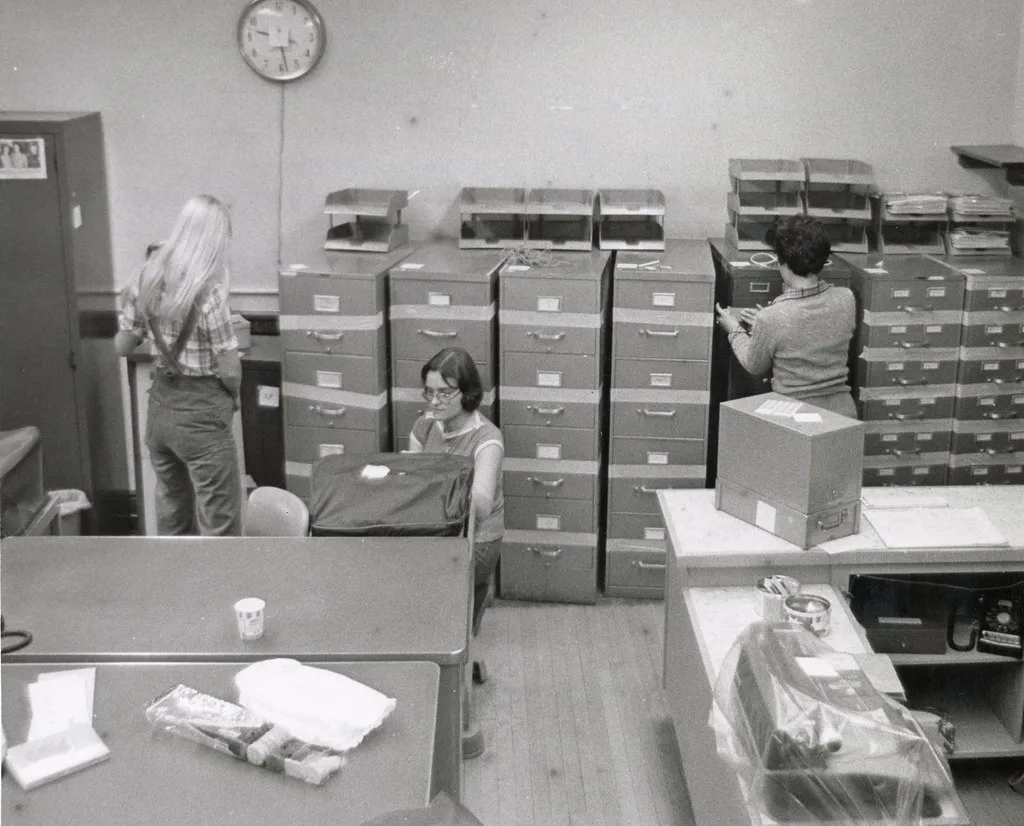
Legal analysts argue that technological integration and specialized benches are the only viable solutions to unclog the system. Former judges have frequently suggested that the judiciary must move toward a “triage” system, where older, high-priority criminal cases are fast-tracked through dedicated dockets. According to recent reports from the Ministry of Law and Justice, while digitalization efforts are underway, the transition remains slow due to legacy paper-based filing systems that still dominate local courtrooms.
Industry and Societal Implications
For the average citizen, this case underscores the high cost of seeking justice within the current legal framework. The implications are twofold: first, it erodes public trust in the judiciary’s ability to provide timely relief; and second, it imposes a massive financial and psychological burden on litigants who must sustain legal battles for generations. For the legal industry, this incident serves as a catalyst for renewed calls to reform judicial appointments and administrative oversight protocols.
Looking Ahead
The Supreme Court has signaled that it will now seek a comprehensive report on the status of other long-pending appeals within the Allahabad High Court to prevent similar occurrences. Observers will be watching to see if the apex court issues directive guidelines or mandates a time-bound disposal mechanism for cases that have crossed the two-decade mark. The effectiveness of these potential interventions will determine whether the judiciary can regain its reputation for efficiency or if legislative intervention will be required to overhaul the existing appellate structure.


