




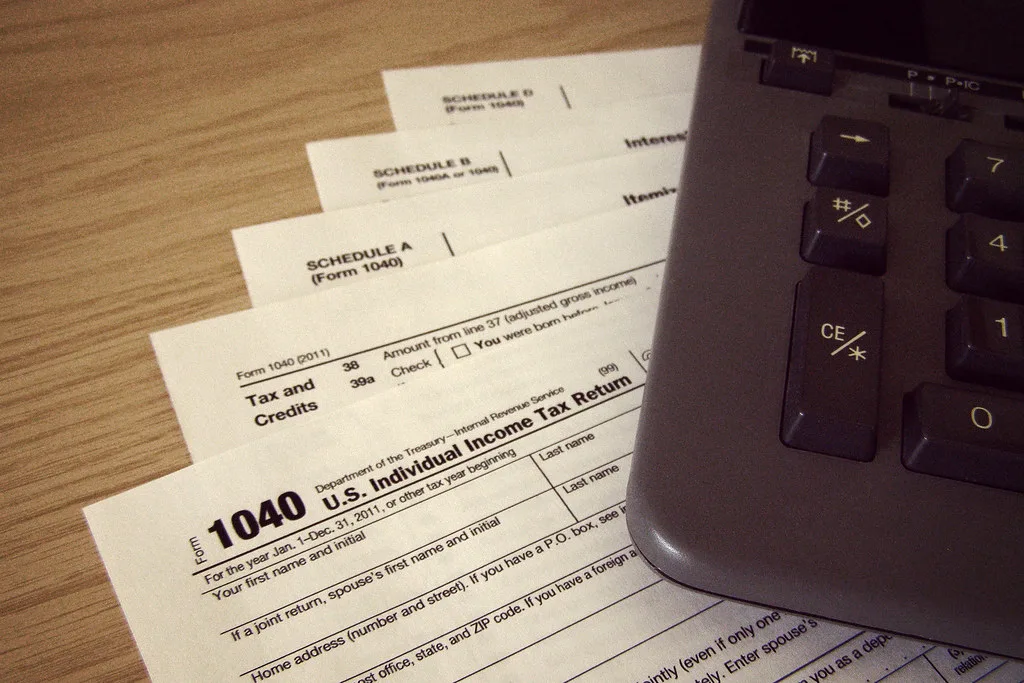
Millions of taxpayers across the United States face a critical deadline today, April 18, as the Internal Revenue Service (IRS) closes the window for filing 2022 federal and state income tax returns. While the date marks the traditional conclusion of tax season, it also signals the beginning of a complex period for those seeking extensions or correcting errors in already submitted documentation.
Understanding the Tax Filing Landscape
The transition from the standard April 15 deadline to April 18 this year is primarily due to the Emancipation Day holiday observed in Washington, D.C., which pushes the cutoff forward. For many Americans, this timeframe represents the culmination of months of financial record-keeping, payroll adjustments, and tax credit calculations.
Data from the IRS indicates that a significant percentage of taxpayers wait until the final days of the filing window to submit their returns. This surge in volume often puts strain on digital filing portals and tax preparation software, necessitating last-minute vigilance from taxpayers to ensure their submissions are accepted before the midnight cutoff.
Managing Extensions and Corrections
For those unable to meet today’s deadline, the IRS provides a pathway through Form 4868, which grants an automatic six-month extension. However, financial experts emphasize that an extension to file is not an extension to pay; any tax liability owed must still be settled by today to avoid late-payment penalties and interest accruals.
Taxpayers who have already filed their returns are not necessarily finished with the process. If a taxpayer discovers a discrepancy, such as missing income or an overlooked deduction, they may need to file an amended return using Form 1040-X. The IRS advises waiting until the original return has been fully processed before submitting any amendments to prevent administrative delays.
Expert Insights and Strategic Implications
Industry analysts point out that the complexity of the tax code continues to drive reliance on automated software and professional tax preparers. According to a recent report by the National Society of Accountants, the average cost of professional tax preparation has seen a steady increase, reflecting the heightened complexity of modern tax laws and the integration of digital security requirements.
The impact of this year’s filing cycle extends beyond the individual taxpayer. Financial institutions and state tax authorities are currently preparing for a massive influx of processing work, which typically lasts through the summer months. For the average consumer, this means that while the filing deadline is today, the timeline for receiving refunds or receiving confirmation of account status can stretch significantly longer.
Future Outlook and What to Watch
Looking ahead, taxpayers should monitor potential changes in IRS guidance regarding digital asset reporting and the evolving landscape of tax credits related to clean energy initiatives. As the agency continues to modernize its infrastructure, the shift toward a more digital-first filing experience is expected to accelerate, potentially offering faster processing times in future cycles. Observers should also keep a close watch on legislative debates regarding tax policy adjustments, as these could fundamentally alter the filing requirements for the upcoming 2023 tax year.