




The Urban Waste Dilemma
Bengaluru, India’s rapidly expanding tech hub, is currently grappling with a severe waste management crisis driven by a critical shortage of designated transfer stations. As municipal trucks navigate narrow residential streets to transport thousands of tons of daily waste to distant landfills, the lack of intermediate processing points has led to chronic traffic congestion, illegal dumping, and the hazardous leakage of leachate onto public roadways.
The Anatomy of the Infrastructure Deficit
Historically, Bengaluru’s waste management model relied on direct transportation from collection points to processing plants or landfills located on the city’s periphery. However, as the city’s population has surged past 13 million, the sheer volume of waste has overwhelmed this outdated logistical framework. Without transfer stations—facilities where smaller collection vehicles consolidate waste into larger trucks—the city’s roads have become de facto transit hubs for heavy refuse vehicles.
Congestion and Environmental Hazards
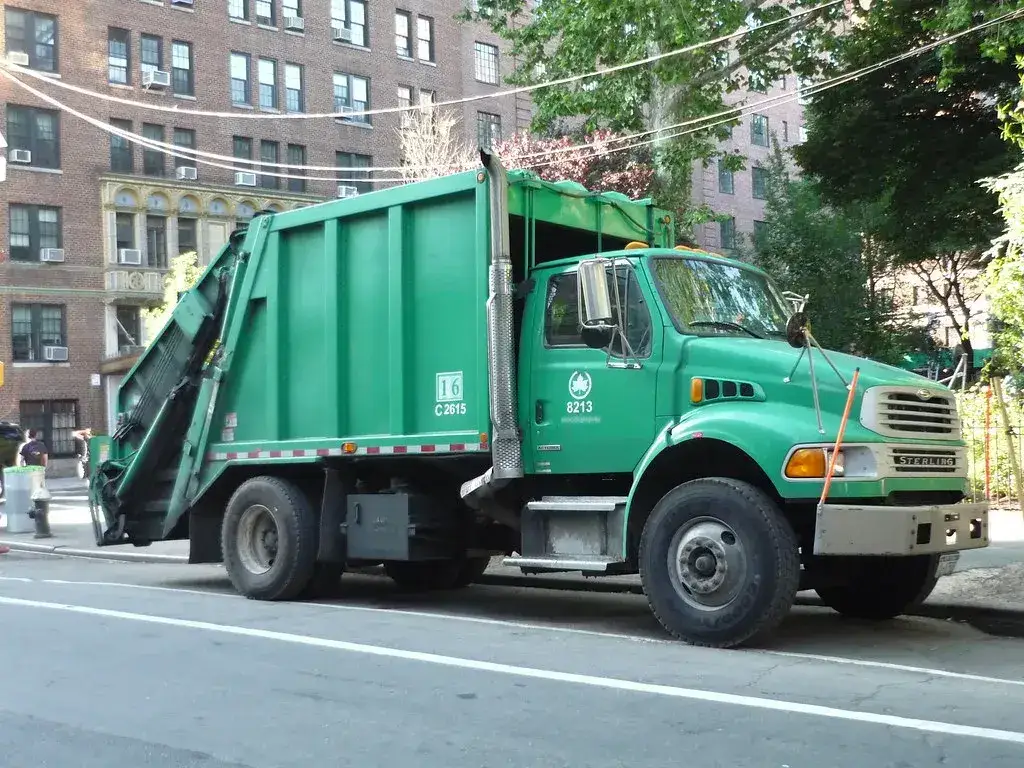
The absence of these facilities forces garbage trucks to traverse long distances through densely populated urban corridors. This increases travel time, fuel consumption, and the probability of mechanical failure, which frequently results in stationary, overflowing trucks blocking arterial roads during peak hours. Furthermore, the prolonged transit time causes organic waste to decompose inside moving trucks, producing leachate—a toxic, foul-smelling liquid that drips onto asphalt, creating significant public health risks and deteriorating road infrastructure.
Expert Perspectives and Data
Urban planning experts, including those from the Indian Institute for Human Settlements (IIHS), suggest that decentralized waste processing is the only viable path forward. Data indicates that Bengaluru generates approximately 4,000 to 5,000 tons of solid waste daily, yet a significant portion remains unsegregated at the source. According to recent municipal reports, the lack of intermediate transfer capacity is a primary factor in the city’s inability to meet the Solid Waste Management Rules of 2016, which mandate decentralized processing.
Industry and Residential Implications
For residents, the consequences are immediate and tangible: lowered air quality, persistent odors, and increased commute times. For the logistics and municipal sectors, the current system is economically inefficient, requiring excessive spending on fleet maintenance and fuel. Industry analysts argue that the industry must pivot toward high-tech, localized sorting centers that treat waste closer to its origin point, thereby reducing the reliance on long-haul transit.
Looking Ahead
The city government is currently under pressure to integrate land-use planning with waste management mandates, focusing on the identification of sites for secondary collection centers. Observers should monitor upcoming municipal budget allocations to see if the city prioritizes decentralized infrastructure or continues its reliance on centralized landfilling. The success of these efforts will likely determine whether Bengaluru can mitigate its growing sanitation crisis or if the logistical burden will continue to stifle urban mobility.