


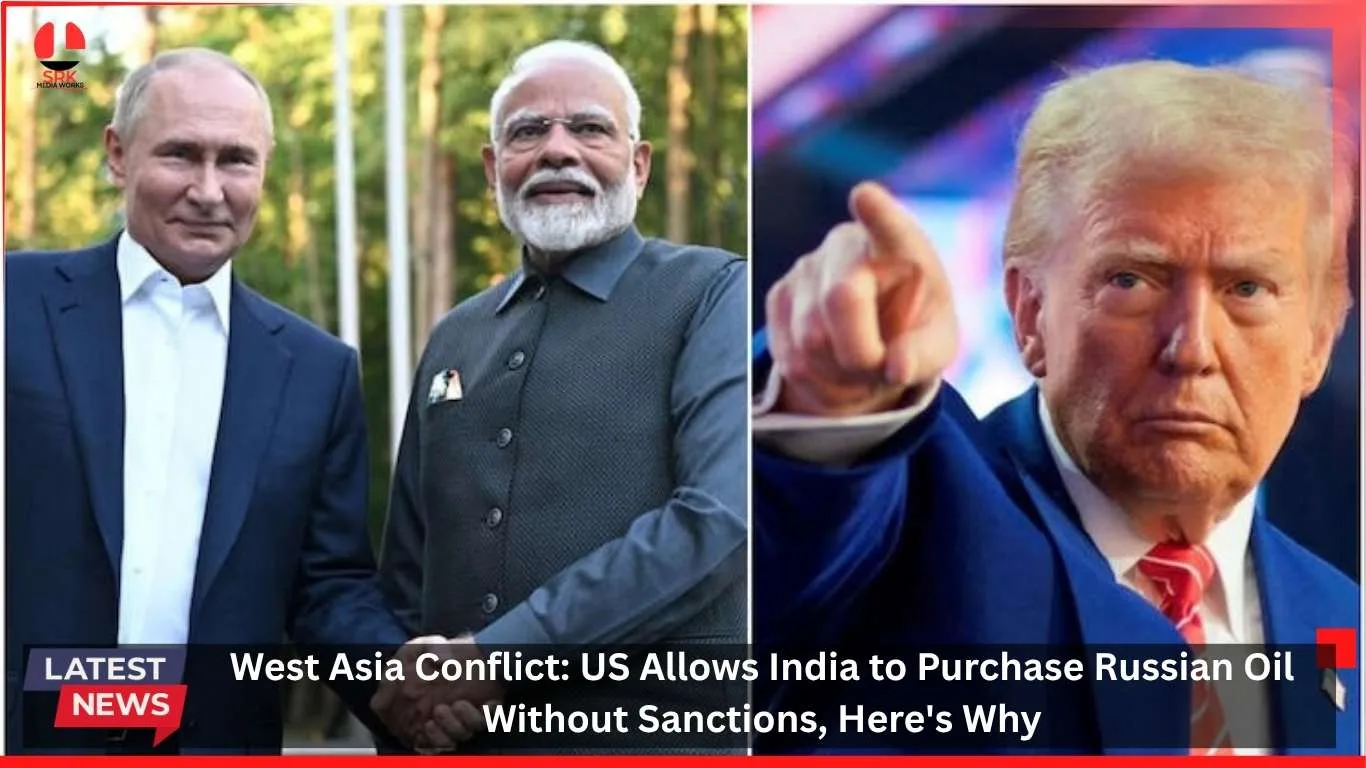
In the backdrop of the ongoing West Asia conflict, the United States has reportedly allowed India to continue purchasing Russian oil without facing sanctions. This decision reflects Washington’s pragmatic approach to balancing geopolitical interests, energy security, and global economic stability. India, one of the world’s largest energy importers, has been navigating a complex landscape of rising oil prices, regional instability, and international pressure. The U.S. waiver underscores the importance of India’s role in global energy markets and the strategic considerations that shape American foreign policy.
Why the Waiver Matters
The U.S. sanctions regime against Russia has been one of the most comprehensive in recent history, targeting financial institutions, energy exports, and defense sectors. However, India’s continued purchase of Russian oil highlights exceptions made for strategic partners.
- Energy Security: India relies heavily on imported oil to meet domestic demand. Russian crude offers affordability and reliability.
- Geopolitical Balance: Allowing India to buy Russian oil prevents New Delhi from being pushed closer to Moscow and Beijing.
- Global Stability: Restricting India’s access to Russian oil could destabilize global markets, driving prices higher.
India’s Energy Dependence
India imports nearly 85% of its crude oil requirements. With rising demand and limited domestic production, securing affordable energy sources is critical. Russian oil, often sold at discounted rates, has become a vital part of India’s energy basket.
| Source of Oil | Share in India’s Imports | Key Advantage |
|---|---|---|
| Middle East | Largest share | Proximity, established trade routes |
| Russia | Growing share | Discounted prices, diversification |
| Africa | Moderate share | Alternative supply lines |
| Others | Smaller share | Limited impact |
Analytical Pivot
| Factor | India’s Perspective | U.S. Perspective |
|---|---|---|
| Energy Security | Affordable oil supply | Prevent global price spikes |
| Geopolitical Balance | Maintain ties with Russia | Keep India aligned with U.S. interests |
| Economic Stability | Control inflation | Protect global economy |
| Strategic Autonomy | Independent foreign policy | Encourage India’s role in Indo-Pacific |
Strategic Implications
- For India: The waiver allows India to maintain energy security while pursuing strategic autonomy in foreign policy.
- For the U.S.: Ensures India remains a reliable partner in the Indo-Pacific, countering China’s influence.
- For Russia: Provides a crucial market for its oil exports amid Western sanctions.
- For Global Markets: Stabilizes oil prices by preventing sudden disruptions in supply.
Reactions
- Indian Officials: Welcomed the waiver as recognition of India’s energy needs and strategic importance.
- U.S. Analysts: Viewed the decision as pragmatic, balancing sanctions enforcement with global stability.
- Global Observers: Noted that the move highlights India’s growing influence in international diplomacy.
Broader Context
The West Asia conflict has already disrupted global energy flows, with supply chains strained and prices volatile. India’s ability to secure Russian oil provides a buffer against these shocks. The U.S. decision reflects a broader strategy of ensuring that allies and partners are not destabilized by sanctions policies.
Challenges Ahead
- Currency Settlements: India has explored alternative payment mechanisms, including rupee and yuan, to bypass dollar restrictions.
- Geopolitical Risks: Balancing ties with Russia, the U.S., and Middle Eastern nations remains complex.
- Market Volatility: Continued instability in West Asia could still drive prices higher, affecting India’s economy.
Future Outlook
India’s continued purchase of Russian oil under U.S. waiver conditions highlights a new era of pragmatic diplomacy. As global conflicts reshape energy markets, India’s role as a major consumer will remain central. The U.S. is likely to continue balancing sanctions enforcement with strategic exceptions, ensuring that global partners like India remain stable and aligned.
Conclusion
The U.S. decision to allow India to purchase Russian oil without sanctions amid the West Asia conflict underscores the importance of strategic pragmatism in global diplomacy. For India, it ensures energy security and economic stability. For the U.S., it maintains a critical partnership in the Indo-Pacific. For Russia, it provides a lifeline for its energy exports. Ultimately, the waiver reflects the interconnected nature of global politics, where energy, security, and diplomacy converge.
Disclaimer
This article is based on publicly available reports and analytical perspectives. It does not represent official government positions. The content is intended for informational purposes only, highlighting geopolitical and economic dynamics. Readers are encouraged to consult multiple sources for a comprehensive understanding of the subject matter.


