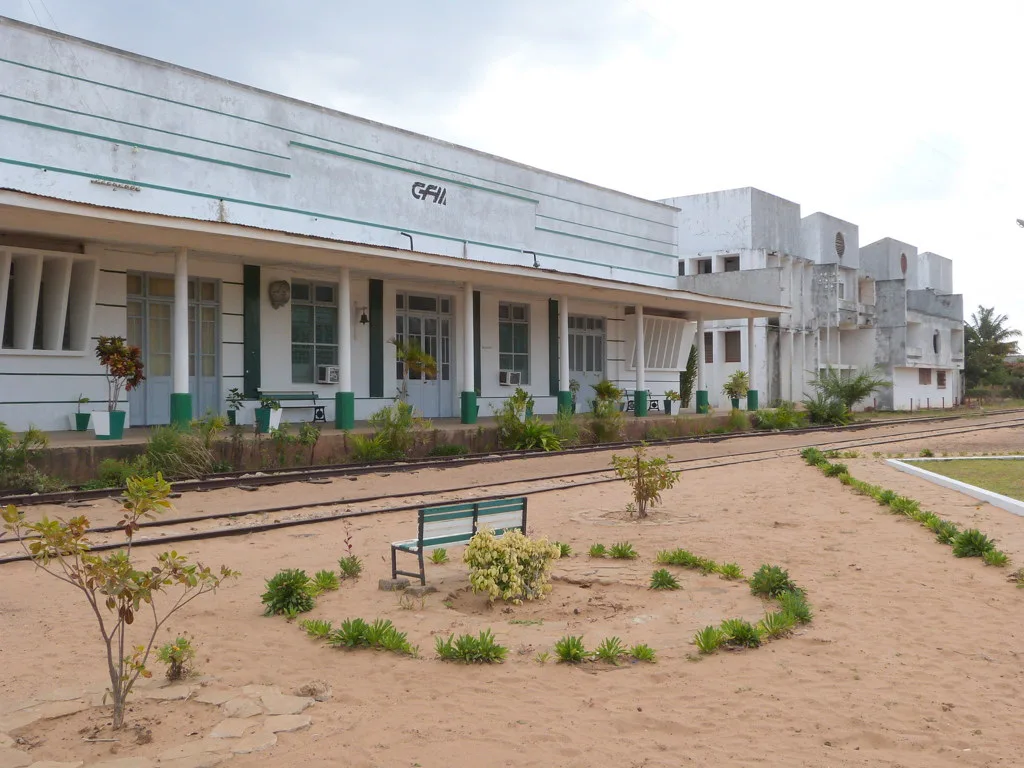
The Indian Ministry of Railways has announced a massive capital infusion of ₹1 lakh crore aimed at modernizing railway infrastructure across West Bengal. Announced by Union officials this week, the initiative focuses on expanding network capacity, upgrading station facilities, and integrating high-speed connectivity to streamline logistics and passenger transit within the state.
The Strategic Shift in Rail Development
For decades, West Bengal has served as a critical transit hub for Eastern India, yet its aging rail network has struggled to keep pace with rising freight demands and suburban commuter growth. This investment package is designed to address systemic bottlenecks that have historically slowed transit times and limited cargo throughput.
The plan encompasses the electrification of remaining lines, the construction of new freight corridors, and the redevelopment of major railway terminals. By prioritizing these upgrades, the government aims to reduce the logistics cost, which currently remains one of the highest in the region due to infrastructure inefficiencies.
High-Speed Connectivity and Strategic Corridors
A central pillar of the rail development strategy is the introduction of advanced bullet train corridors. The Ministry confirmed that high-speed rail projects connecting Delhi to Varanasi and extending to Siliguri are currently in the planning stages.
These corridors are intended to drastically reduce travel time between major economic centers. Officials stated that the Varanasi-Siliguri link is particularly significant, as it aims to bridge the connectivity gap between the northern plains and the strategic gateway to Northeast India.
Economic Impact and Expert Analysis
Industry analysts suggest that the ₹1 lakh crore investment will act as a significant economic multiplier for the state. According to recent infrastructure reports, every rupee spent on rail modernization yields an estimated threefold return in regional GDP growth through improved supply chain velocity and job creation.
“The infusion of capital into West Bengal’s rail network is not merely about faster trains; it is about infrastructure-led economic integration,” noted an infrastructure analyst. “By reducing the transit time for raw materials and finished goods, the state can attract a higher volume of manufacturing investment.”
Long-term Implications and Future Outlook
The modernization drive also addresses safety and automation, with plans to implement advanced signaling systems across the state’s busiest junctions. These technology upgrades are designed to minimize human error and increase the frequency of train services, potentially alleviating the chronic overcrowding on suburban lines.
As the project moves into the execution phase, stakeholders will be monitoring the land acquisition process and environmental clearances, which remain the primary risks to project timelines. Observers should watch for the release of detailed project reports (DPRs) for the Varanasi-Siliguri corridor in the coming months, as these documents will provide clarity on the specific technological standards and timeline benchmarks for the high-speed rail rollout.