
Canada is actively evaluating potential vulnerabilities within its food supply chain following a major regulatory enforcement action in India. Recent investigations highlight concerns regarding food fraud and the integrity of imported goods originating from overseas markets.
Understanding the Recent Enforcement Action
Regulatory authorities in India executed a strategic inspection at a commercial warehouse located in Mumbai. During this operation, officials uncovered an illicit enterprise dedicated to tampering with consumer goods.
The raids resulted in the seizure of various food merchandise with an estimated street value approaching eighty thousand dollars. Beyond the physical inventory, enforcement personnel confiscated specialized industrial chemicals and sophisticated printing equipment.
Investigators determined these tools were primarily utilized to erase and overwrite original production and expiration dates. By affixing fraudulent labels, operators attempted to extend the perceived shelf life of expired or compromised merchandise.
Implications for International Trade
Global supply chains rely heavily on trust, transparency, and stringent regulatory oversight. When incidents of systematic product tampering come to light in major manufacturing and export hubs, importing nations are compelled to review their safety protocols.
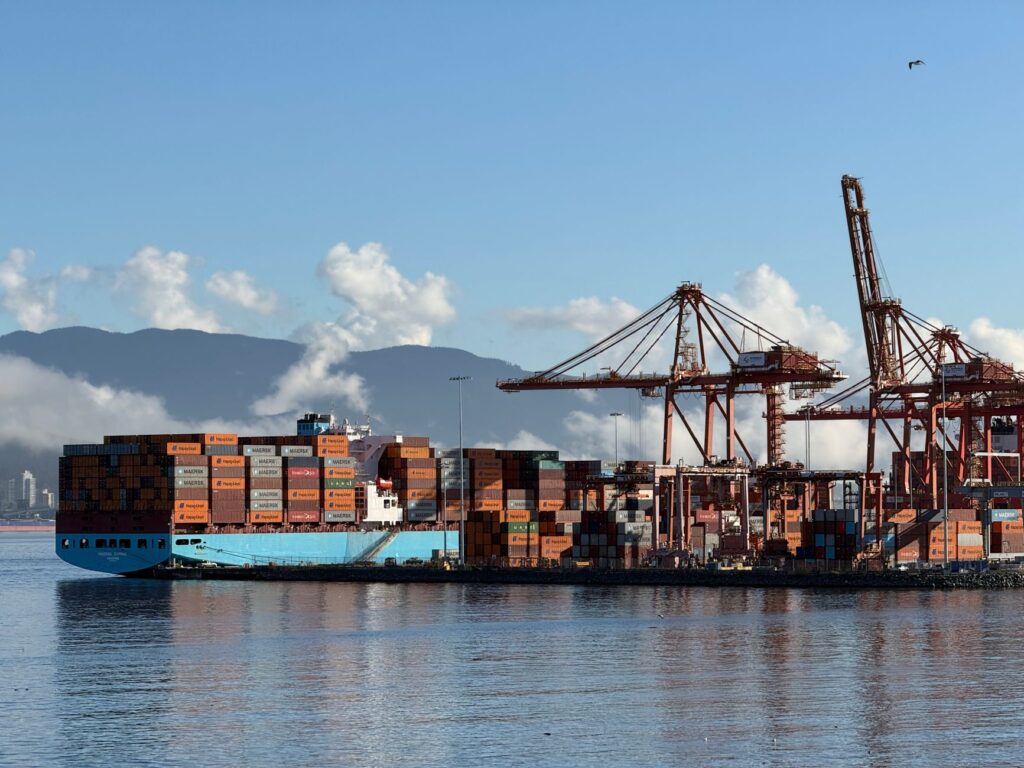
Canadian trade and food safety officials have initiated a comprehensive assessment to determine whether any of the compromised goods entered domestic distribution networks. The primary objective is to safeguard consumer health and maintain rigorous import standards.
Governments must collaborate closely with international partners to share intelligence regarding fraudulent operators. Enhanced surveillance at ports of entry helps prevent adulterated or mislabeled goods from reaching store shelves.
Protecting the Domestic Food Supply
Safeguarding the public requires continuous monitoring and proactive risk management strategies. Import agencies frequently adjust their inspection frequencies based on emerging global threats and intelligence reports.
Importers and distributors also bear a significant responsibility to verify the authenticity and origin of the products they bring into the country. Establishing direct relationships with certified producers minimizes the likelihood of sourcing items through questionable intermediaries.
Consumers are encouraged to remain vigilant and report any suspicious packaging or altered labeling to local health authorities. Transparency across every tier of the supply chain remains the most effective defense against food fraud.