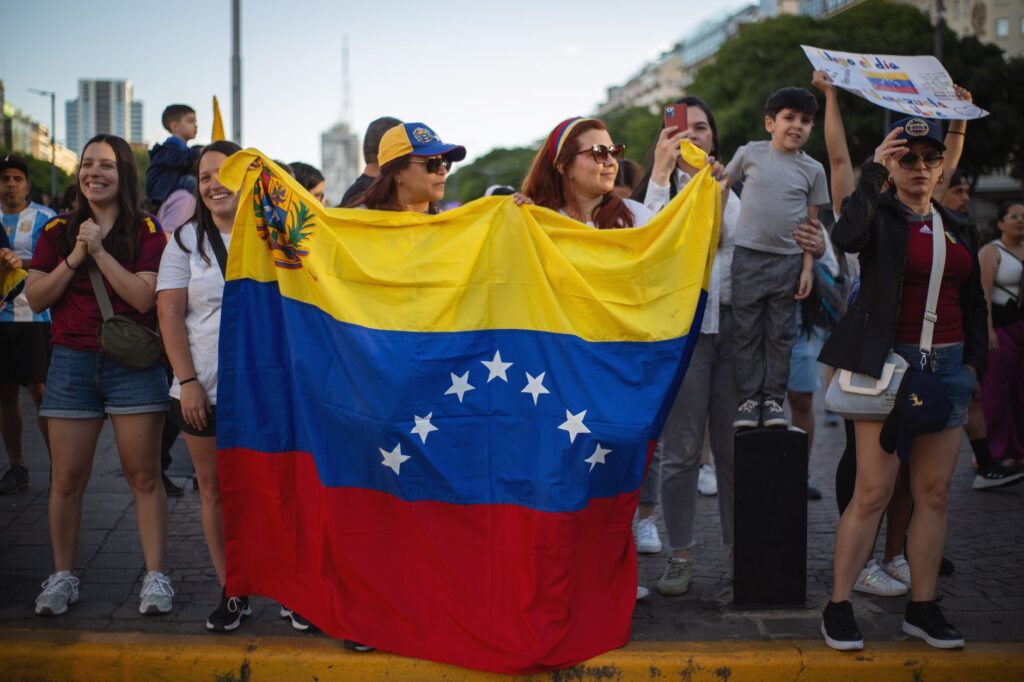

Foreign policy initiatives often involve a delicate balance between strategic interests and long-term democratic values. Recent diplomatic maneuvers concerning South America have brought these tensions to the forefront, sparking considerable debate among international relations experts and political analysts.
Strategic Intentions Behind the Initiative
The primary motivation behind the newly proposed diplomatic arrangements involves securing specific geopolitical and economic advantages. Proponents argue that pragmatic engagement can yield immediate benefits, particularly in managing energy markets and addressing regional stability. By opening channels that were previously closed, policymakers attempt to reshape the diplomatic landscape in a manner favorable to broader national interests.
However, the unconventional nature of these negotiations has raised eyebrows across the global community. Critics point out that bypassing traditional multilateral frameworks can undermine collective efforts to promote transparent governance. The pursuit of rapid agreements often necessitates compromises that may dilute the overarching commitment to international norms and standards.
Implications for Democratic Governance in the Region
One of the most pressing concerns voiced by observers is the potential impact on local democratic movements. When powerful nations prioritize transactional diplomacy over systemic political reform, the incentives for ruling authorities to permit free and fair elections can diminish significantly.
Instead of encouraging a transition toward inclusive governance, arrangements that offer relief or recognition without strict accountability can inadvertently entrench existing power structures. This dynamic creates a challenging environment for local opposition groups and civil society organizations striving for democratic renewal, as external backing for their cause appears to weaken in favor of pragmatic deals.
Weighing Short-Term Gains Against Long-Term Risks
Evaluating the ultimate success of this diplomatic strategy requires a careful assessment of short-term stability versus long-term consequences. While immediate objectives might be met through targeted negotiations, the broader repercussions for regional security and democratic resilience remain uncertain.
Diplomats and strategists must continually weigh the utility of bold interventions against the risk of creating unintended precedents. As the situation continues to evolve, the international community will closely monitor whether these high-stakes arrangements deliver lasting benefits or simply postpone more difficult, fundamental political transformations.