




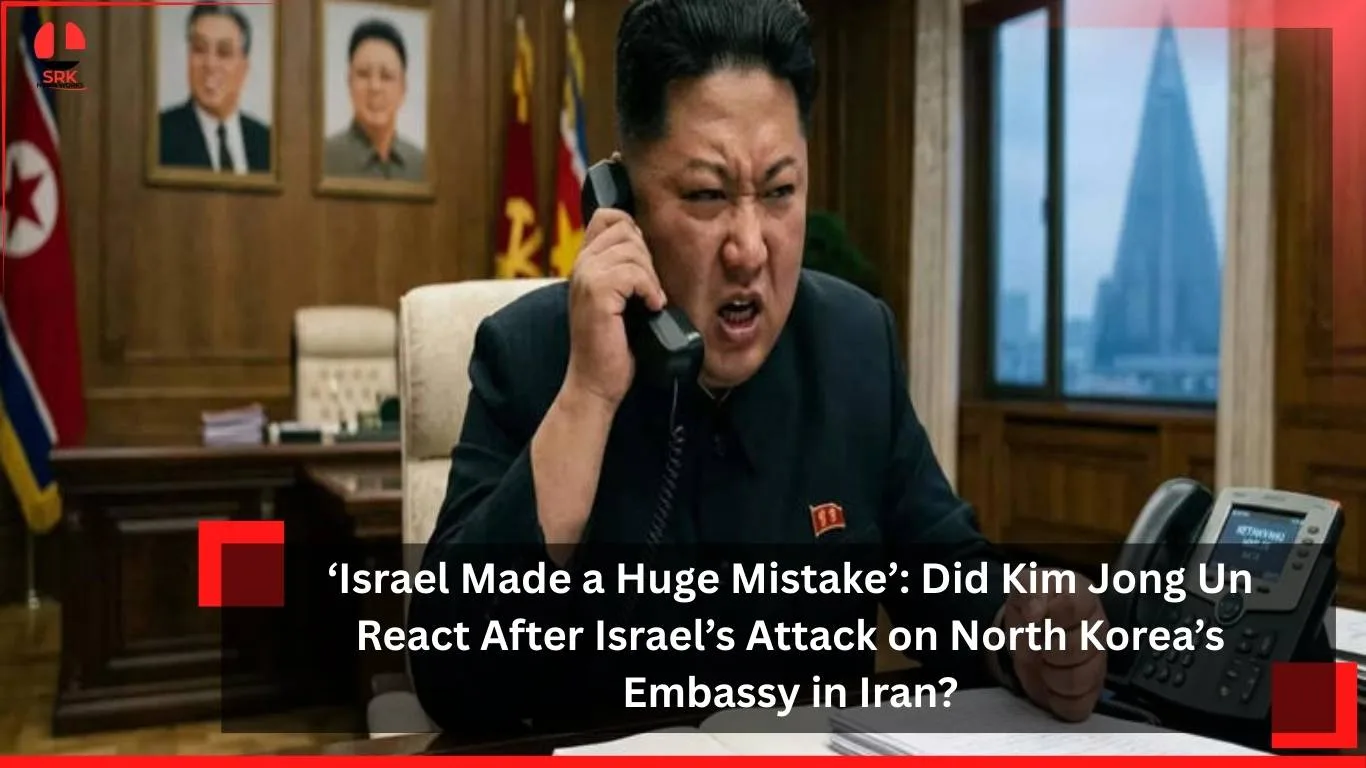
The recent attack on North Korea’s embassy in Iran, allegedly linked to Israel, has triggered a storm of speculation and diplomatic tension. Reports circulating in international media suggest that North Korean leader Kim Jong Un may have reacted strongly, calling the incident a “huge mistake.” While official confirmation of his remarks remains unclear, the episode has already intensified debates about global security, diplomatic immunity, and the fragile balance of power in the Middle East.
Background of the Incident
The embassy attack in Tehran is being described as one of the most provocative moves in recent times. Embassies are protected under international law, and any assault on them is considered a violation of sovereignty. Israel’s alleged involvement has drawn sharp criticism from multiple quarters, with North Korea reportedly viewing the act as a direct provocation.
Did Kim Jong Un React?
While North Korea has not issued a formal statement through its state media, diplomatic insiders claim that Kim Jong Un privately described Israel’s actions as a “huge mistake.” Such a remark, if confirmed, would signal Pyongyang’s intent to escalate its rhetoric against Israel and possibly align more closely with Iran in response.
India’s Perspective
India, which maintains diplomatic relations with both Israel and Iran, has been monitoring the situation closely. Any escalation could affect India’s energy imports from Iran and its strategic partnerships with Israel in defense and technology.
Global Reactions
- Iran: Condemned the attack, calling it a violation of international law.
- Israel: Has not officially confirmed involvement, but faces mounting scrutiny.
- North Korea: Allegedly furious, viewing the incident as a direct challenge.
- United Nations: Expressed concern over the violation of diplomatic immunity.
Comparative Analysis of Embassy Attacks
| Year | Country Involved | Embassy Targeted | Outcome |
|---|---|---|---|
| 1979 | USA | Tehran (Iran) | Hostage crisis, sanctions |
| 2012 | Israel | New Delhi (India) | Minor injuries, heightened tensions |
| 2026 | Israel-North Korea | Tehran (Iran) | Diplomatic fallout, global concern |
This comparison shows how embassy attacks often reshape diplomatic relations and trigger long-term consequences.
Strategic Implications
The alleged attack has far-reaching implications:
- Middle East Stability: Adds another layer of tension to an already volatile region.
- North Korea-Iran Relations: Could strengthen ties between the two nations.
- Israel’s Global Standing: May face criticism for breaching diplomatic norms.
- International Security: Raises questions about the sanctity of embassies worldwide.
Possible Outcomes
- Diplomatic escalation – North Korea and Iran may jointly condemn Israel.
- Global mediation – The UN or other powers may intervene to prevent further conflict.
- Retaliatory measures – Iran or North Korea could consider counter-actions.
Public Sentiment
Global citizens have reacted with concern:
- Supporters of Israel argue the attack may have been a security necessity.
- Critics warn that violating embassy sanctity undermines international law.
- Observers fear the incident could trigger wider regional instability.
Conclusion
The alleged Israeli attack on North Korea’s embassy in Iran has opened a new chapter in global diplomacy. Whether Kim Jong Un’s reported reaction is officially confirmed or not, the incident underscores the fragility of international relations and the dangers of escalating conflicts through violations of diplomatic norms. The coming weeks will reveal whether diplomacy or confrontation defines the aftermath of this controversial episode.
Disclaimer
This article is a synthesized news-style analysis created for informational and educational purposes. It does not represent official government statements or endorsements. Readers are encouraged to consult verified reports and multiple perspectives for a complete understanding of the incident and its implications.