
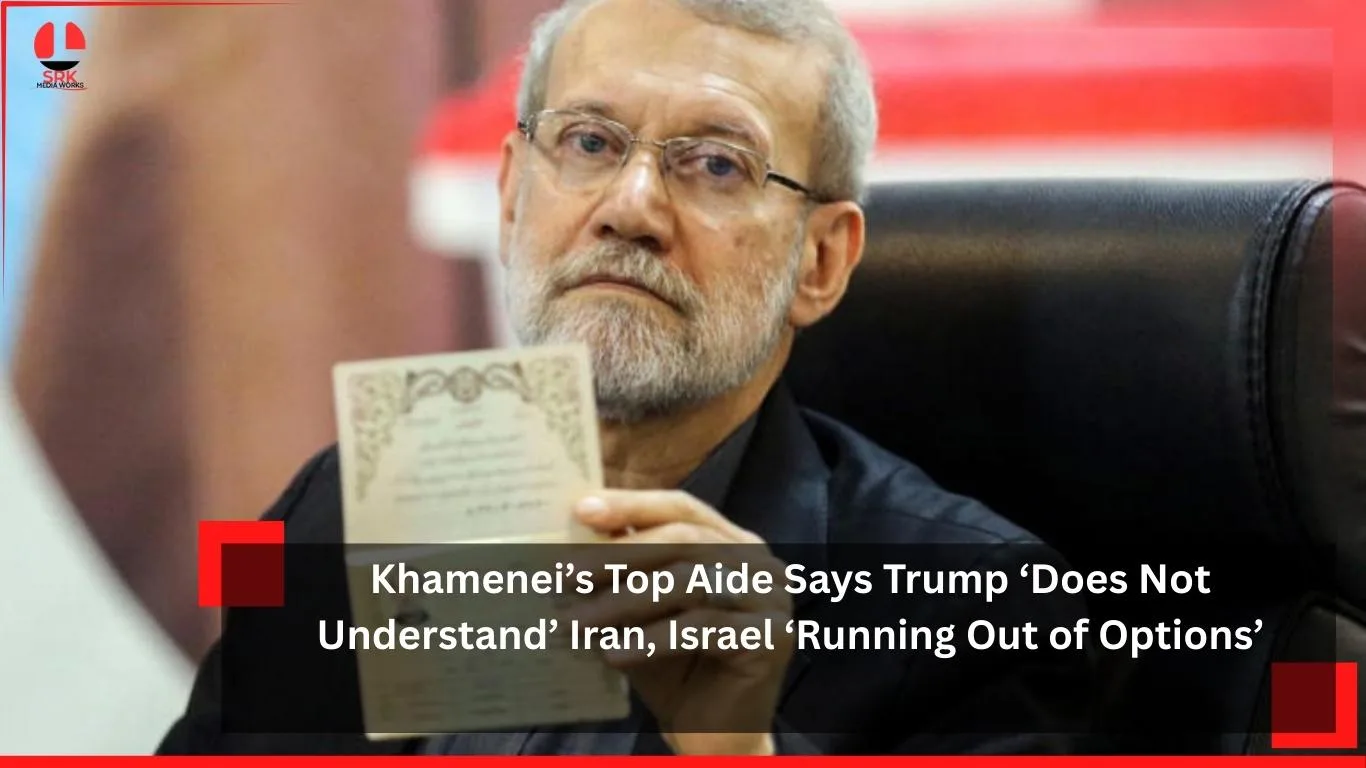
A senior aide to Iran’s Supreme Leader Ayatollah Ali Khamenei has sharply criticized U.S. President Donald Trump, declaring that he “does not understand” Iran. The aide also claimed that Israel is “running out of options” amid the ongoing regional conflict, intensifying rhetoric in an already volatile Middle East.
Background
The remarks come at a time of heightened tensions between Iran, Israel, and the United States. With the Iran-Israel war escalating, regional powers are recalibrating their strategies. Iran’s leadership has consistently framed U.S. actions as misguided, while portraying Israel as increasingly isolated and limited in its military and diplomatic choices.
Key Highlights of the Statement
- Criticism of Trump: The aide accused the U.S. President of failing to grasp Iran’s resilience and strategic depth.
- Israel’s Position: Israel was described as “running out of options” in its military campaign against Iran and its regional allies.
- Iran’s Confidence: The statement emphasized Iran’s ability to withstand external pressure and continue its regional influence.
- Geopolitical Messaging: The remarks were aimed at both domestic audiences and international observers, reinforcing Iran’s narrative of strength.
Comparative Analysis of Positions
| Stakeholder | Position on Conflict | Key Challenges | Strategic Goals |
|---|---|---|---|
| Iran | Defiant, confident in resilience | Sanctions, military pressure | Regional dominance, deterrence |
| United States | Support for Israel, pressure on Iran | Balancing global alliances | Contain Iran, secure energy routes |
| Israel | Military strikes, defensive posture | Regional isolation, resource strain | Neutralize Iran’s influence |
| Regional Allies | Divided responses | Economic instability | Stability, trade security |
Pivot Analysis of Themes
| Theme | Frequency in Coverage | Impact on Public Opinion |
|---|---|---|
| Trump’s misunderstanding of Iran | High | Negative sentiment in Iran |
| Israel’s limited options | High | Seen as weakening Israel’s position |
| Iran’s resilience | Medium | Boosts domestic morale |
| Regional instability | High | Raises global concern |
Public and Media Reaction
- Iranian Media: Framed the aide’s remarks as evidence of Iran’s strength against U.S. and Israeli pressure.
- U.S. Media: Covered the statement as part of escalating rhetoric, with analysts debating its implications.
- Israeli Media: Highlighted concerns about the perception of dwindling options, while emphasizing ongoing military readiness.
- Global Analysts: Noted the symbolic nature of the remarks, aimed at shaping narratives rather than signaling immediate policy changes.
Strategic Implications
- For Iran: Reinforces its image of defiance and resilience, bolstering domestic support.
- For the U.S.: Raises questions about the effectiveness of current strategies against Iran.
- For Israel: Highlights the challenges of sustaining prolonged military campaigns.
- For Global Markets: Continued instability threatens energy security and economic stability.
Challenges Ahead
- Escalation Risks: Continued rhetoric may fuel further military confrontations.
- Diplomatic Stalemate: Lack of dialogue keeps tensions high.
- Economic Strain: Sanctions and war disruptions pressure regional economies.
- Public Perception: Narratives of strength and weakness shape domestic and international opinion.
Conclusion
The statement by Khamenei’s top aide that Trump “does not understand” Iran and that Israel is “running out of options” underscores the intensity of current geopolitical tensions. While largely rhetorical, the remarks reflect Iran’s confidence in its resilience and its effort to portray Israel as constrained. As the Iran-Israel war continues, such exchanges highlight the deepening divide and the challenges of finding a path toward stability.
Disclaimer
This article is a journalistic analysis of recent remarks by a senior aide to Iran’s Supreme Leader regarding U.S. President Donald Trump and Israel’s position in the ongoing conflict. It is intended for informational purposes only and does not endorse or oppose any political leader, party, or nation. Readers are encouraged to consider multiple perspectives before forming conclusions.