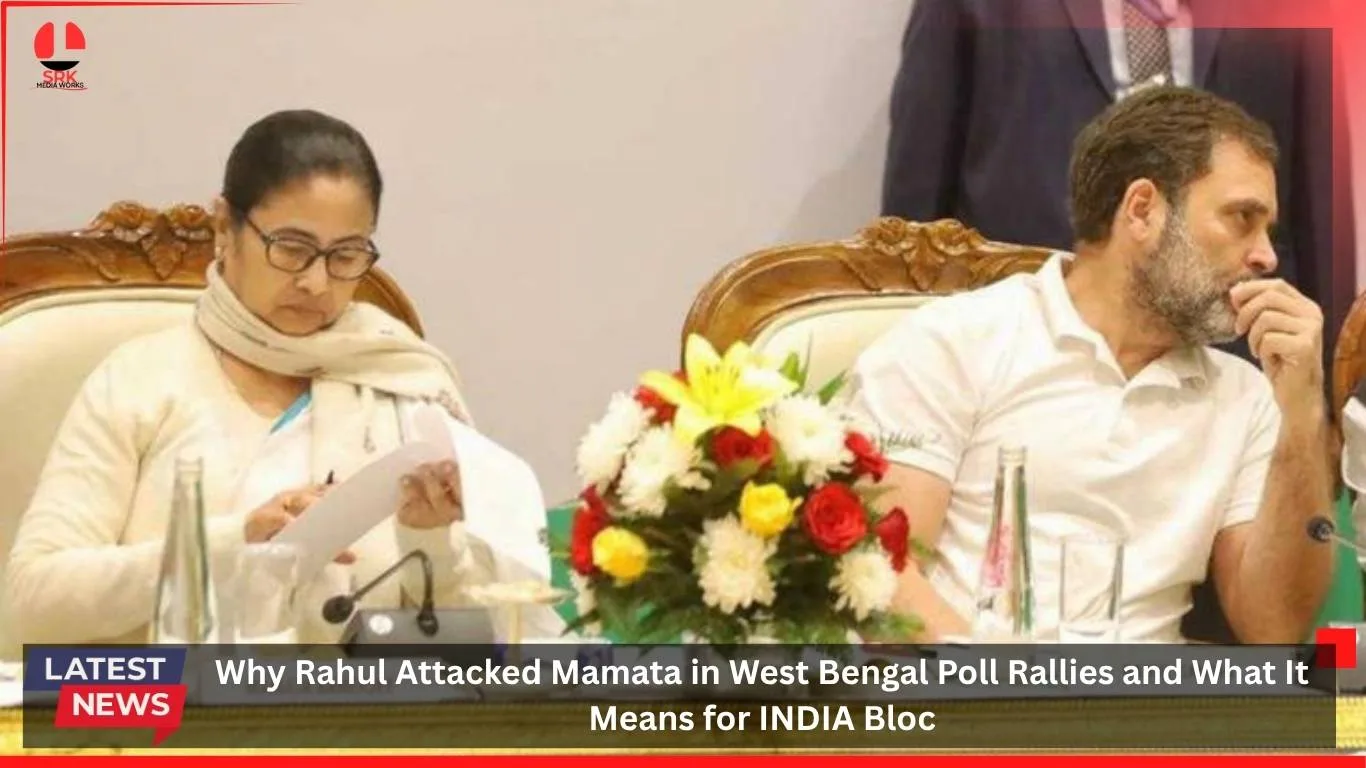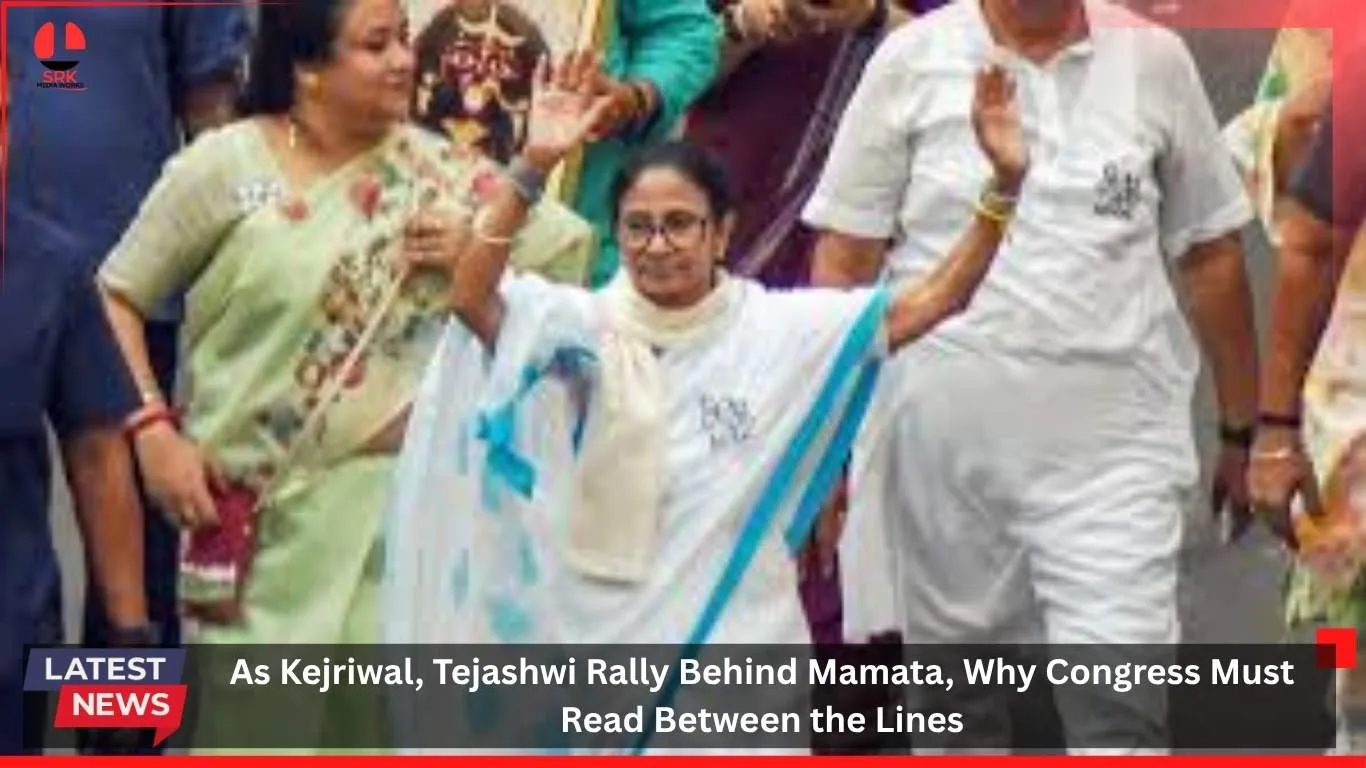



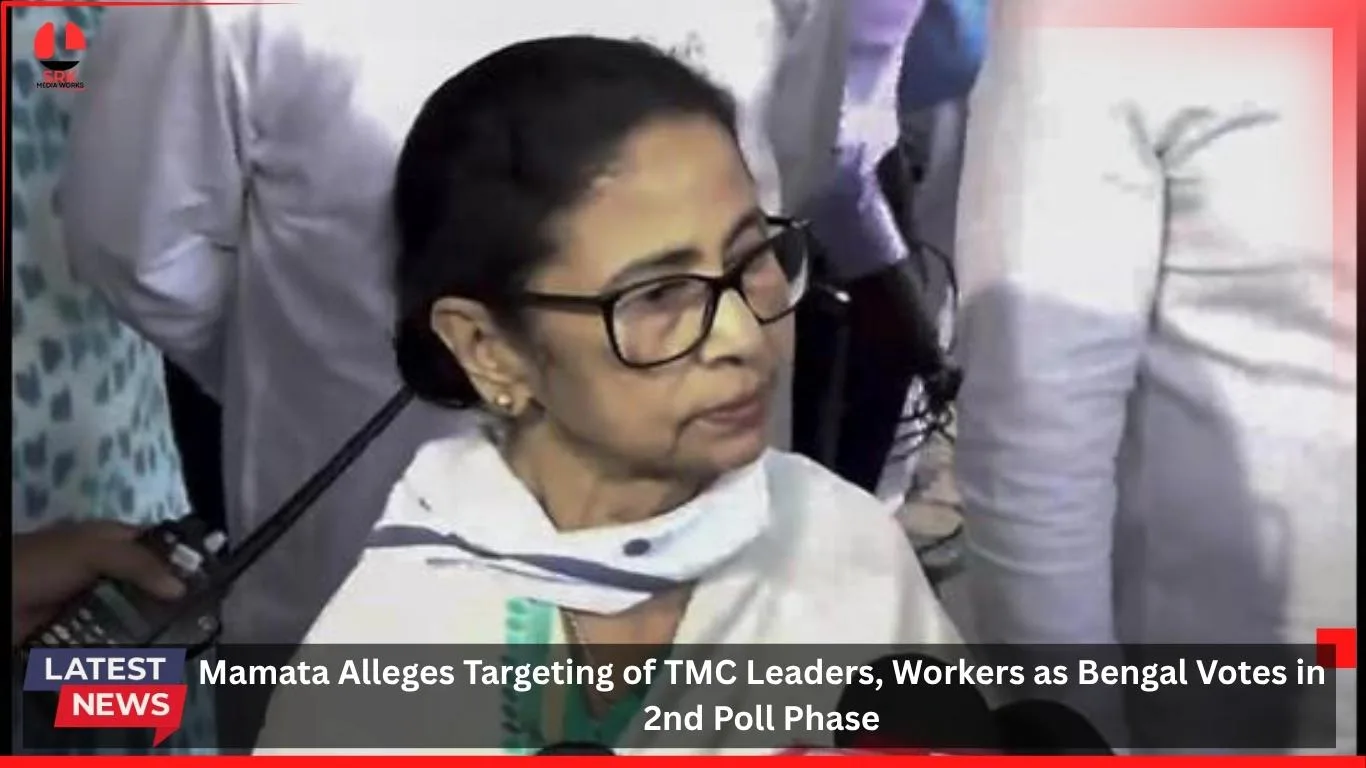
West Bengal’s second phase of polling has been marked by heightened political tensions, with Chief Minister Mamata Banerjee alleging that Trinamool Congress (TMC) leaders and workers are being deliberately targeted. Her accusations have added fuel to the already charged atmosphere, as the state continues to witness one of the most fiercely contested elections in recent memory.
Mamata’s Allegations
Mamata Banerjee claimed that central agencies and rival political forces are working in tandem to intimidate and harass TMC leaders and grassroots workers. She alleged that:
- False cases are being filed against TMC members to weaken the party’s organizational strength.
- Central forces deployed during elections are being misused to create fear among voters and party workers.
- Selective targeting of TMC leaders is aimed at damaging the party’s credibility during the crucial poll phase.
Her remarks were delivered at multiple rallies and press interactions, where she accused the Bharatiya Janata Party (BJP) of orchestrating a campaign of intimidation.
The Political Context
West Bengal has historically witnessed intense electoral battles, with violence and allegations of intimidation often surfacing during polls. The second phase of voting is critical, as it covers constituencies where both TMC and BJP are locked in close contests.
- TMC’s Strategy: Mamata is positioning herself as the defender of Bengal’s democratic rights, portraying her party as the victim of external interference.
- BJP’s Counter: The BJP has dismissed Mamata’s claims, arguing that central forces are ensuring free and fair elections.
- Congress and Left Parties: These opposition groups have also criticized the atmosphere of fear but remain focused on carving out their own space in Bengal’s political landscape.
Impact on Voters
Mamata’s allegations are likely aimed at consolidating voter sympathy. By portraying TMC workers as victims of harassment, she seeks to:
- Mobilize grassroots support by rallying workers who feel under pressure.
- Strengthen her image as a leader standing up against external interference.
- Frame the narrative that the BJP is using unfair tactics to gain ground in Bengal.
However, critics argue that such claims could also polarize voters further, intensifying the already volatile political climate.
Reactions from Rival Parties
- BJP Leaders: Assert that Mamata’s allegations are baseless and an attempt to deflect attention from corruption charges against TMC leaders.
- Congress and Left: While critical of the BJP, they have also accused Mamata of exaggerating the issue to gain sympathy.
- Independent Observers: Election analysts note that such allegations are common in Bengal’s political culture, where accusations of intimidation often dominate poll narratives.
Broader Implications for Bengal Politics
The controversy underscores the challenges of conducting elections in West Bengal, where political rivalry often spills into violence and intimidation. Mamata’s allegations highlight:
- The fragility of democratic processes in highly polarized states.
- The role of central forces in ensuring free and fair elections, and the debates around their neutrality.
- The INDIA bloc’s internal tensions, as Mamata’s confrontations with BJP also intersect with her uneasy ties with Congress.
Conclusion
As Bengal votes in the second phase of elections, Mamata Banerjee’s allegations of targeting TMC leaders and workers add another layer of complexity to the state’s political drama. Whether these claims resonate with voters or are dismissed as political rhetoric will play a crucial role in shaping the outcome of one of India’s most closely watched electoral battles.
Disclaimer
This article is a detailed news analysis based on publicly available political developments and commentary regarding Mamata Banerjee’s allegations during the second phase of West Bengal elections. It is intended for informational and journalistic purposes only. The content does not represent personal opinions or endorsements. Readers are encouraged to verify details independently before forming conclusions.