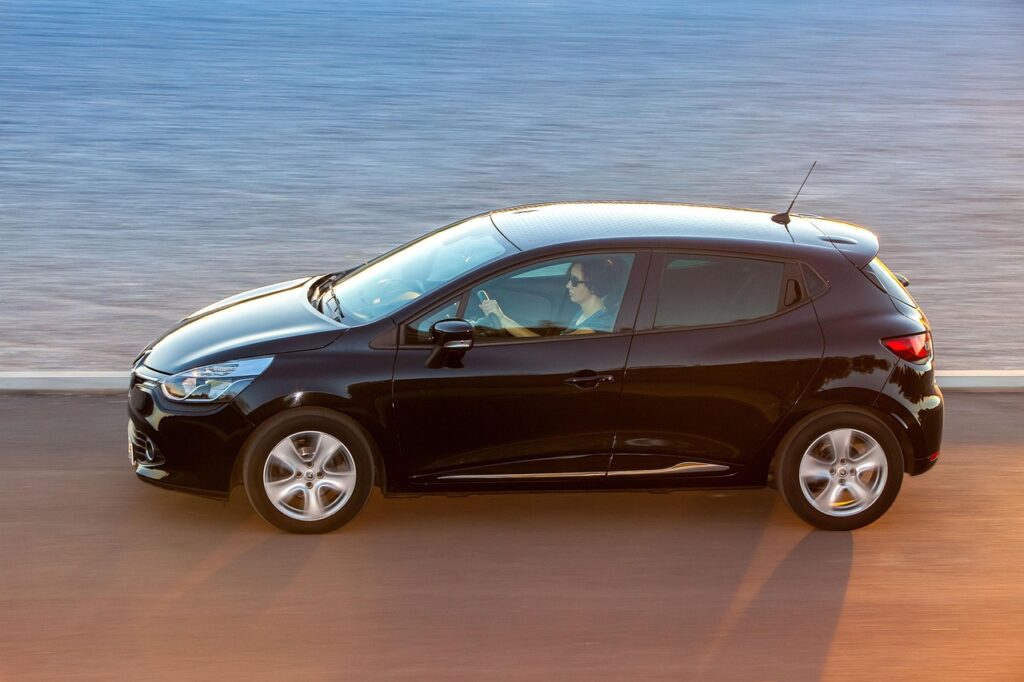

Renault has officially shifted the narrative within the competitive compact SUV segment this month by demonstrating that the 1.0-litre TCe 100 engine offers a viable, high-performance alternative to traditional, larger-displacement powertrains. By prioritizing turbocharged efficiency over raw cubic capacity, the French automaker is targeting urban commuters and budget-conscious families who demand utility without the penalty of high fuel consumption.
Contextualizing the Shift Toward Downsizing
The automotive industry has spent the last decade aggressively pursuing “downsizing” strategies to comply with increasingly stringent global emissions regulations. While early iterations of three-cylinder engines were often criticized for vibration and lack of torque, modern engineering has successfully mitigated these issues through advanced turbocharging and sophisticated engine management systems.
The Renault Duster, a nameplate synonymous with rugged affordability, has traditionally relied on naturally aspirated engines or larger diesel units. The introduction of the TCe 100 variant represents a strategic pivot, utilizing a compact engine architecture to reduce vehicle mass and improve thermal efficiency in real-world driving conditions.
Engineering for Real-World Usability
Performance in the modern SUV market is no longer defined solely by top-speed statistics or heavy-duty towing capacity. Data from automotive consumer research firms suggest that over 80% of compact SUV usage occurs in urban or suburban environments, where low-end torque is far more valuable than high-RPM horsepower.
The TCe 100 engine delivers peak torque early in the rev range, allowing for responsive acceleration in stop-start traffic. By minimizing internal friction and optimizing the power delivery curve, Renault has managed to balance the agility of a smaller vehicle with the elevated seating position and cargo capacity that consumers expect from an SUV.
Expert Perspectives on Efficiency
Industry analysts point out that the Duster TCe 100 serves as a bridge between traditional combustion engines and the impending transition to full electrification. Automotive engineers note that by achieving better fuel economy, the vehicle effectively lowers the total cost of ownership for the average driver, a metric that remains the primary driver for purchasing decisions in emerging and established markets alike.
“The success of the 1.0-litre turbo configuration lies in its ability to punch above its weight class,” says one automotive market strategist. “When you combine lightweight construction with a forced-induction system, you achieve a power-to-weight ratio that makes the vehicle feel significantly lighter and more nimble than its dimensions suggest.”
Broader Implications for the SUV Segment
The implications of this trend extend beyond just one model; it signals a wider acceptance of downsized engines in segments previously dominated by 1.6-litre or 2.0-litre motors. For the industry, this underscores a move toward sustainable performance where efficiency is marketed as a luxury feature rather than a compromise.
For the consumer, the transition means that the barrier to entry for owning a modern, safe, and spacious SUV is lowering. As manufacturers continue to refine these small-displacement engines, we can expect to see an increase in hybrid-assisted variants that push fuel economy figures even further.
Moving forward, the focus for the industry will likely shift toward integrating mild-hybrid technology into these small-displacement platforms to further reduce carbon footprints. Observers should keep a close eye on upcoming mid-cycle refreshes across the Renault-Nissan-Mitsubishi alliance, as the TCe 100 architecture is expected to serve as the foundation for future powertrain developments.