



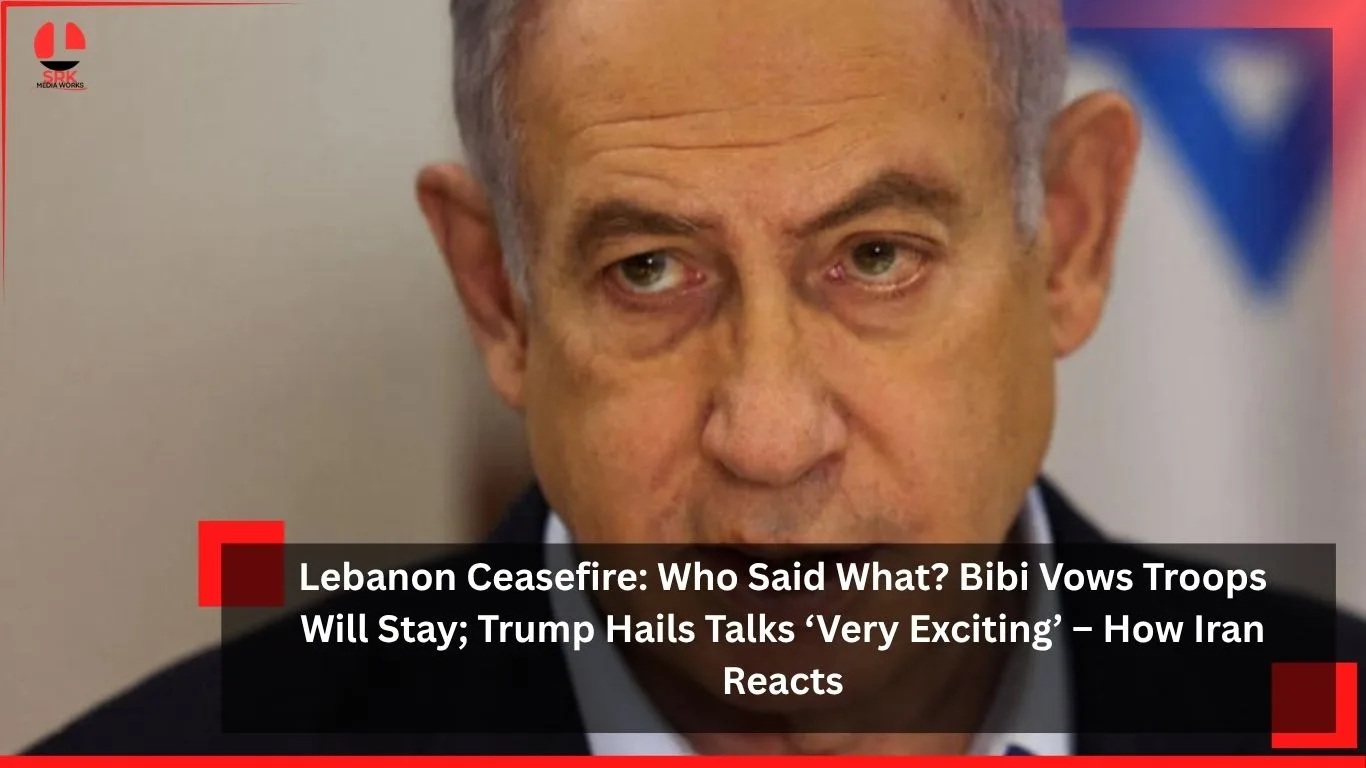
The announcement of a ceasefire in Lebanon has triggered a wave of global reactions, with leaders across the world weighing in on the development. Israeli Prime Minister Benjamin Netanyahu, often referred to as “Bibi,” has vowed that Israeli troops will remain deployed despite the ceasefire. Meanwhile, U.S. President Donald Trump hailed the talks as “very exciting,” signaling optimism about the peace process. Iran’s response, however, has been cautious, reflecting its deep involvement in regional dynamics and its support for groups operating in Lebanon.
Netanyahu’s Position
Prime Minister Netanyahu emphasized that Israeli troops will not withdraw immediately, citing security concerns and the need to ensure that militant groups do not exploit the ceasefire. His statement underscores Israel’s cautious approach, balancing international pressure with domestic security priorities.
Key Points from Netanyahu:
- Israeli troops will remain in Lebanon for now.
- Security guarantees are essential before any withdrawal.
- Israel will monitor ceasefire compliance closely.
- Commitment to protecting Israeli citizens remains paramount.
Trump’s Reaction
President Trump described the ceasefire talks as “very exciting,” highlighting the potential for peace in a region long plagued by conflict. His remarks suggest U.S. support for the process, though Washington’s role in enforcement remains unclear.
Trump’s Highlights:
- Optimism about peace prospects.
- Encouragement for continued dialogue.
- Emphasis on U.S. willingness to support negotiations.
- Recognition of regional stakeholders’ efforts.
Iran’s Response
Iran’s reaction to the ceasefire has been measured. While welcoming the reduction in hostilities, Tehran expressed skepticism about Israel’s intentions and reiterated support for groups aligned with its regional strategy.
Iran’s Position:
- Welcomes ceasefire but questions Israel’s sincerity.
- Calls for complete withdrawal of Israeli forces.
- Reaffirms support for Lebanese resistance groups.
- Warns against external interference in Lebanon’s sovereignty.
Comparative Reactions
Different stakeholders have responded to the ceasefire in varied ways, reflecting their strategic interests.
| Stakeholder | Reaction Summary | Key Concerns |
|---|---|---|
| Israel | Troops to remain, cautious approach | Security guarantees, militant threats |
| USA | Talks “very exciting,” supportive | Peace prospects, diplomatic role |
| Iran | Skeptical, cautious support | Israeli withdrawal, sovereignty |
| Lebanon Govt | Relief at ceasefire, cautious hope | Stability, reconstruction |
| EU Nations | Diplomatic support, monitoring | Humanitarian aid, regional stability |
Economic and Humanitarian Impact
The ceasefire offers Lebanon a chance to stabilize its economy and address humanitarian challenges. Years of conflict have devastated infrastructure, displaced populations, and strained resources.
Economic Implications:
- Potential for reconstruction and foreign investment.
- Reduction in military expenditures.
- Opportunities for trade and tourism revival.
Humanitarian Implications:
- Relief for displaced families.
- Access to medical aid and supplies.
- Rebuilding of schools and hospitals.
Security Dimensions
Despite the ceasefire, security concerns remain high. Israel’s decision to keep troops in Lebanon reflects fears of renewed hostilities. Iran’s continued support for militant groups adds complexity to the situation.
Security Challenges:
- Ensuring compliance with ceasefire terms.
- Preventing militant regrouping.
- Monitoring cross-border activities.
- Balancing regional power dynamics.
Future Outlook
The Lebanon ceasefire represents a fragile but hopeful step toward peace. Success will depend on the willingness of all parties to honor commitments and engage in constructive dialogue.
Possible Scenarios:
- Sustainable Peace: Ceasefire holds, reconstruction begins.
- Partial Stability: Reduced hostilities but continued tensions.
- Renewed Conflict: Breakdown of ceasefire, escalation resumes.
Disclaimer
This article is a detailed news analysis prepared for informational purposes only. It does not represent official government statements or confirmed diplomatic agreements. Readers are encouraged to verify details from credible sources before drawing conclusions. The content aims to highlight global reactions to the Lebanon ceasefire, including positions taken by Israel, the U.S., and Iran.